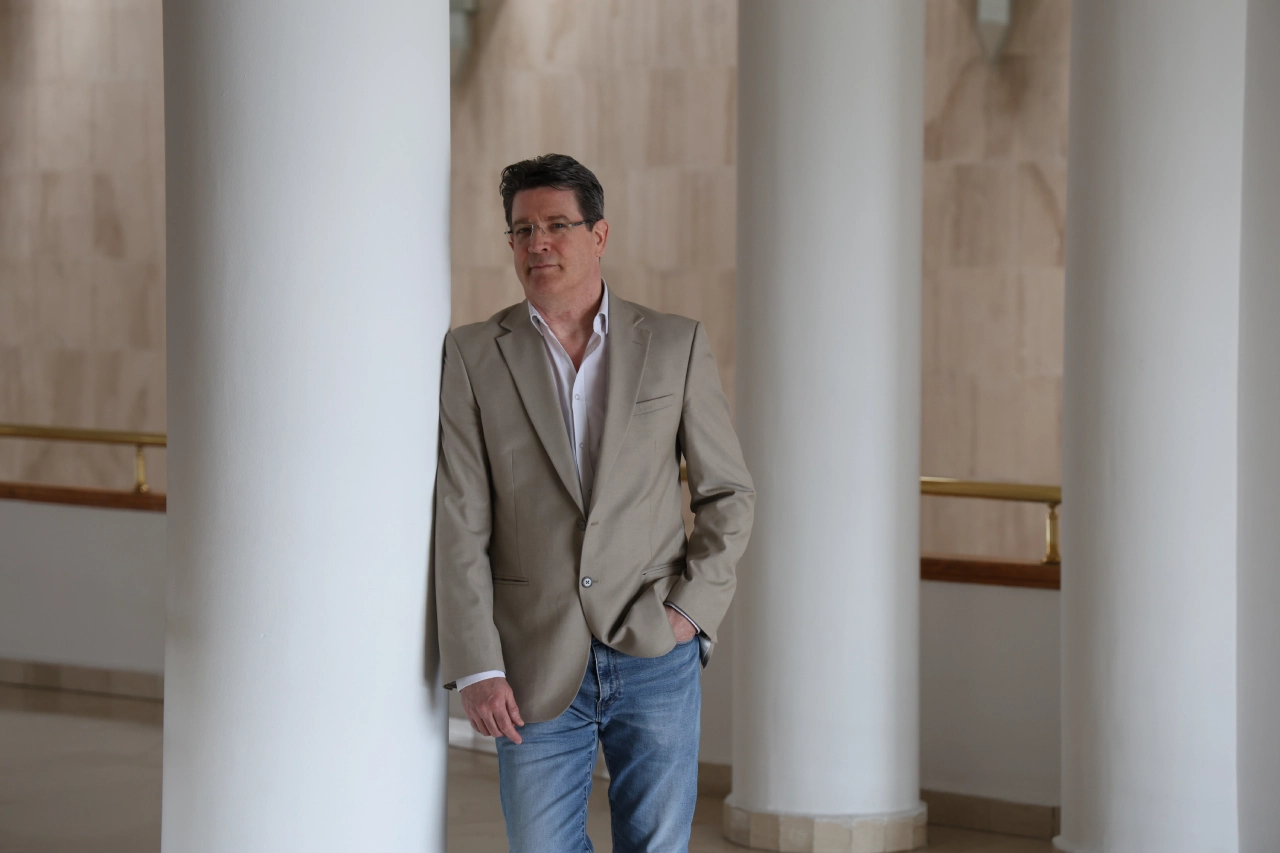
At Bilkent, Jason Hale reflects on the State Theaters, the rise of Turkish performance, and the stories a country is still learning to tell.
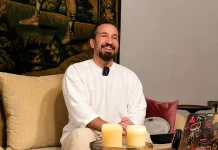
American actor and theater director Prof. Jason Hale, Chair of the Department of Theater at Bilkent University, said Atatürk’s vision gave the State Theaters a mission to bring world culture to every corner of Türkiye. “I think it was an absolutely brilliant idea. Using theater as a tool for education is truly valuable,” he said. Having spent 13 years in Türkiye, Hale said he now considers the country his second home and emphasized that Turkish theater is going through a significant transformation. “I believe the Turkish people have a great deal to say today, and theater offers an important voice for that,” he stated.
Prof. Jason Hale, an American actor and theater director who began working as a faculty member at Bilkent University’s Department of Theater and has led the department since 2014, spoke to NEFES about the development of Turkish theater, the importance of the State Theaters, his advice for young actors, and the challenges that private theaters face.
Speaking about how much his experience in Türkiye has meant to him, Hale said, “Working as a faculty member in Türkiye, having the support of Bilkent University, and carrying out truly international programs have inspired me deeply. That is why I can now sincerely say that Türkiye has become my second home.” Hale noted that Türkiye’s geographical position and the festivals it hosts offer significant opportunities for artists. He added that events such as the State Theater’s International Theater Festival and the Sabancı International Theater Festival in Adana have allowed him to engage more closely with world theater.
A Stage Open to the World
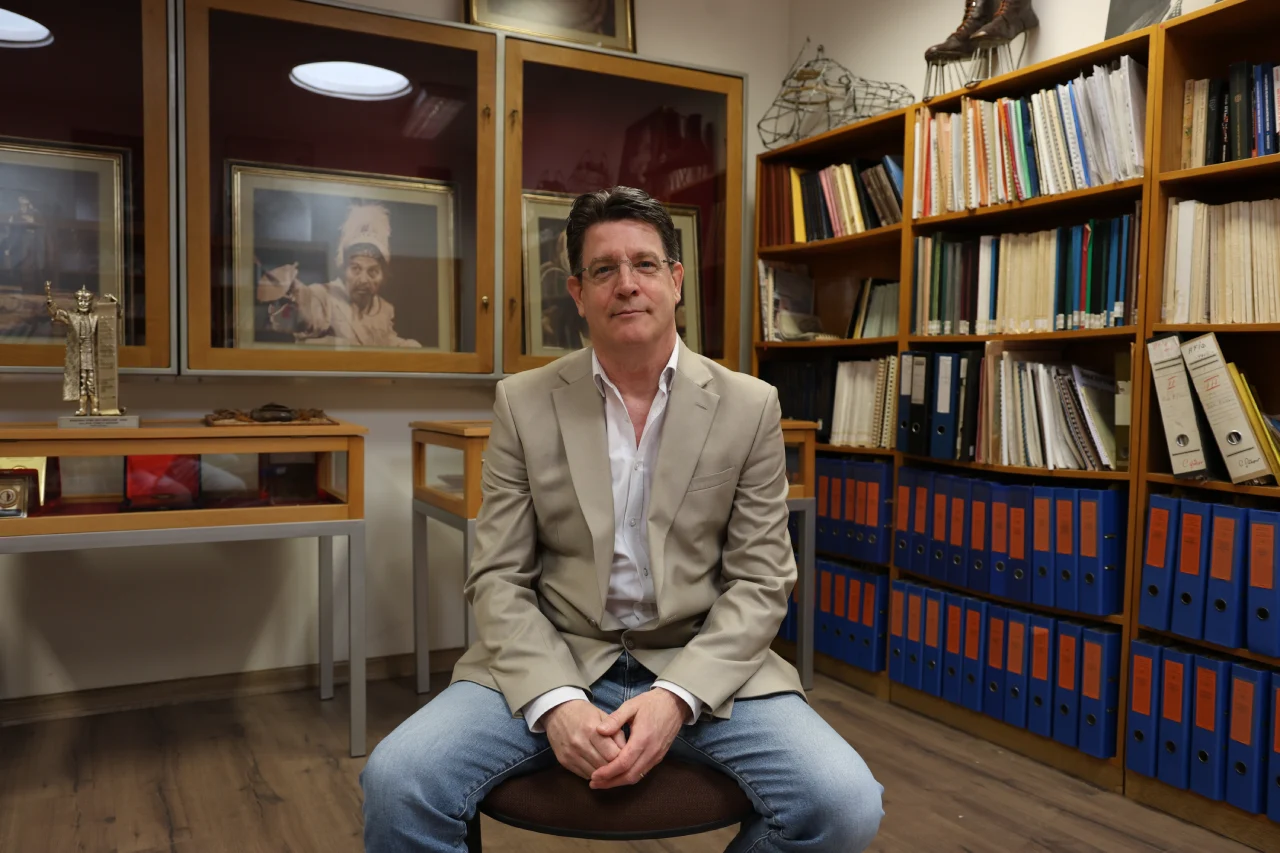
Hale said the Turkish audience’s interest in Western theater stands out, adding that the State Theaters’ long-standing cultural mission helped build this connection. “As I understand it, during the golden age of the State Theaters, the institution could translate plays staged on Broadway into Turkish and bring them to the stage in Türkiye within a very short period of time. For this reason, Turkish theater established a strong connection with Western theater, particularly American theater, from a very early stage,” he said.
The Cultural Ambition Behind the State Theaters
Emphasizing that Atatürk’s cultural vision shaped the founding philosophy of the State Theaters, Hale said, “The State Theaters aimed to bring world culture to every corner of Türkiye. I think it was an absolutely brilliant idea. Using theater as a tool for education is truly valuable.” Hale said this approach makes the institution unique. “I think this understanding makes the Turkish State Theaters so distinctive and significant. It is an extremely important institution in Türkiye, and truly impressive,” he added.
A Generation Watching Everything
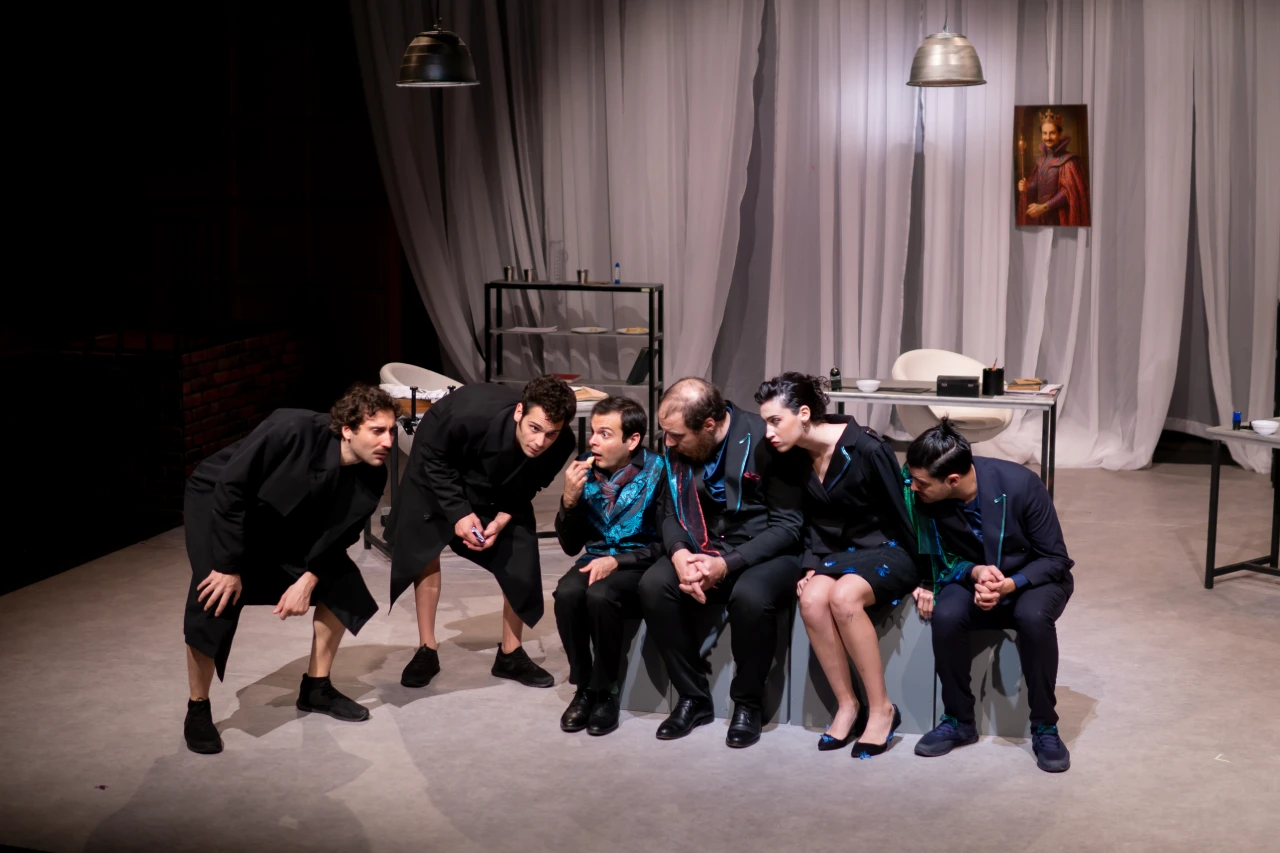
Hale noted that Turkish theater has undergone remarkable changes in recent years, saying that this transformation began in the field of education. He stated that social media and globalization now allow young artists to follow productions from all around the world, which in turn raises quality standards. “People now watch productions from Korea, America, and Netflix. Everyone watches everything. This naturally raises standards and lifts the bar for everyone,” Hale said, adding that the quality of acting seen today in Turkish television series and cinema also reflects this process.
The Fragile Life of Private Stages
Hale said artists today want to bring not only classical works to the stage, but also stories that reflect the times they live in. He added that Turkish theater actively seeks ways to address contemporary issues. “I believe the Turkish people have a great deal to say today, and theater offers an important voice for that. That is why many private theaters aim to make these issues visible and give them a voice,” Hale said, drawing attention to the fact that economic conditions create serious difficulties for small theater companies.
Emphasizing that private theaters need greater support, Hale said, “Unfortunately, current economic conditions make it very difficult for small private theaters to survive. Providing greater financial support to these companies is extremely important because the work they do is truly valuable.”
Why Actors Should Keep Their Companies Close
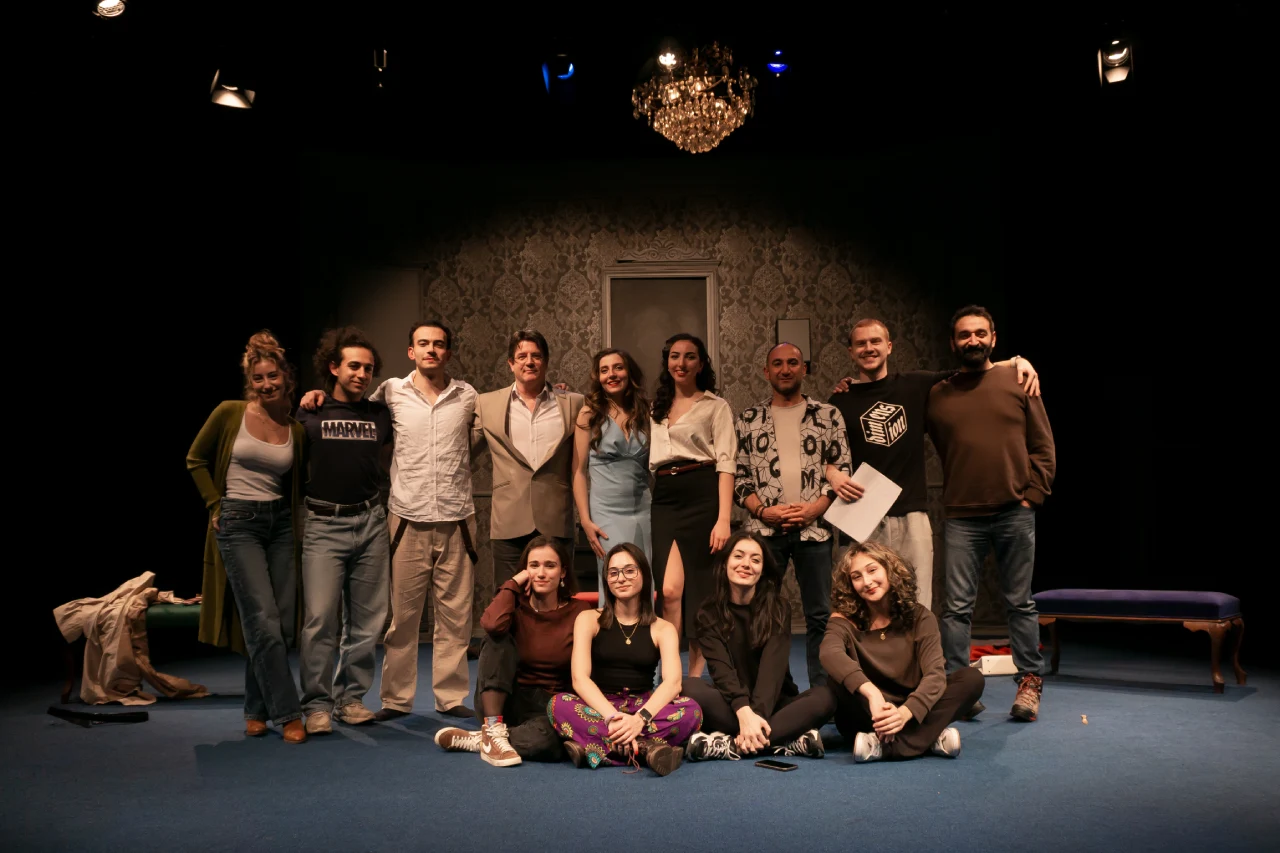
Hale also offered advice to young actors, stressing that theater relies on solidarity and collective creation. Recalling the intense competition he faced at the beginning of his career, Hale said he encourages his students to continue working together after graduation. “If they have friends here at school with whom they work well, they should continue those collaborations after graduation. They should find ways to work together and not lose those connections,” Hale said, noting that teamwork strengthens artistic production more than individual success alone.
Hale said they founded the Bilkent International Laboratory Theater with this understanding in mind, aiming to create a space where graduates and young artists can bring their projects to life. He also emphasized that the initiative seeks to support new Turkish playwrights, noting that the university serves as an important platform for the development of new works.
The Family Inside an American Classic
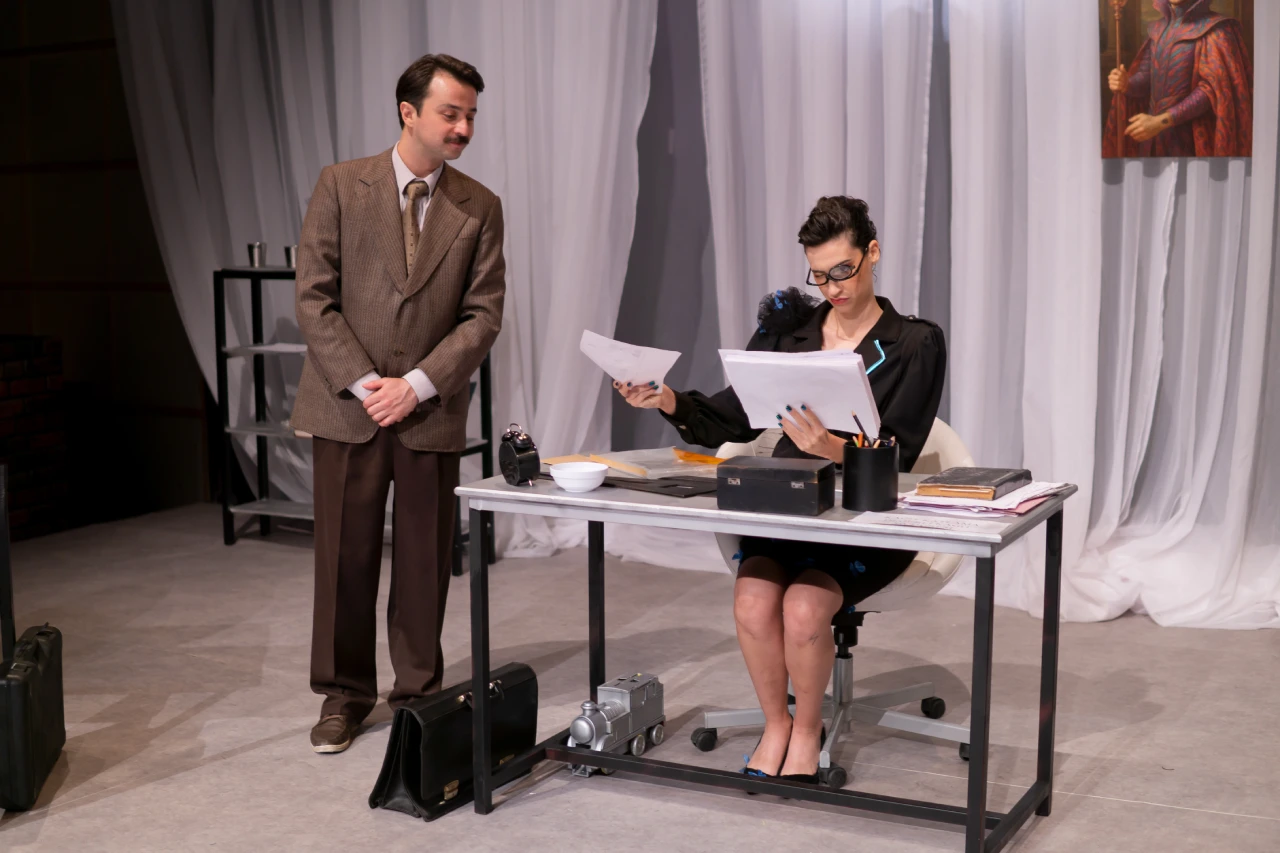
Hale also spoke about Arthur Miller’s classic Death of a Salesman, which recently premiered, saying that he approached the play as a family story. “Death of a Salesman is definitely a play that speaks directly to me. So, for me, the most important thing was being able to connect with it,” he said. Hale added that although many people often interpret the play through the collapse of the American Dream, he chose to focus instead on family relationships and the characters’ psychological conflicts.
From Actor to Teacher, Across Two Theater Worlds
Hale studied acting and theater in the United States and began his career as an actor. He later turned to directing and academia. During his time in New York, he had the opportunity to see the work of major figures in world theater. After coming to Türkiye, he became closely acquainted with Turkish theater and engaged with different theater cultures through international festivals.