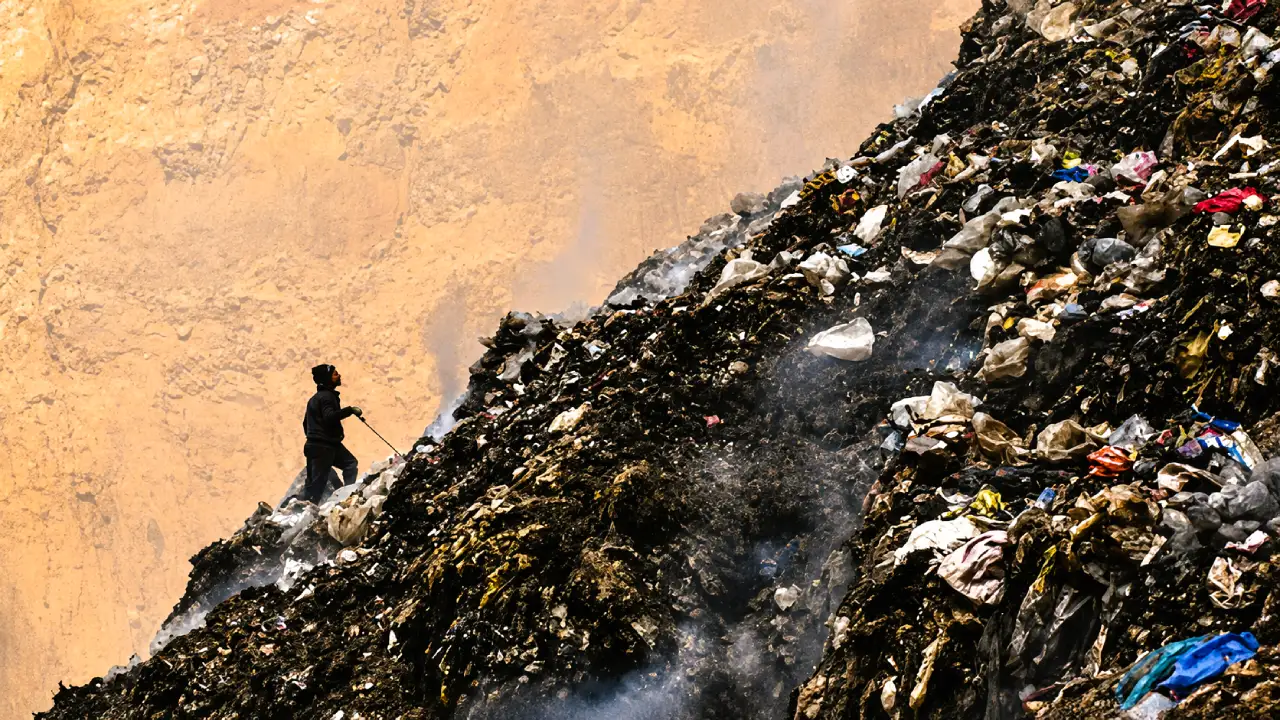
As plastic use increases, microplastic pollution is also spreading rapidly. Prof. Dr. Hamdi Temel said microplastics, which threaten human health, are now present in every area of life, adding, “Our government must take very serious measures. Otherwise, we will face problems far greater than the coronavirus in the future.”
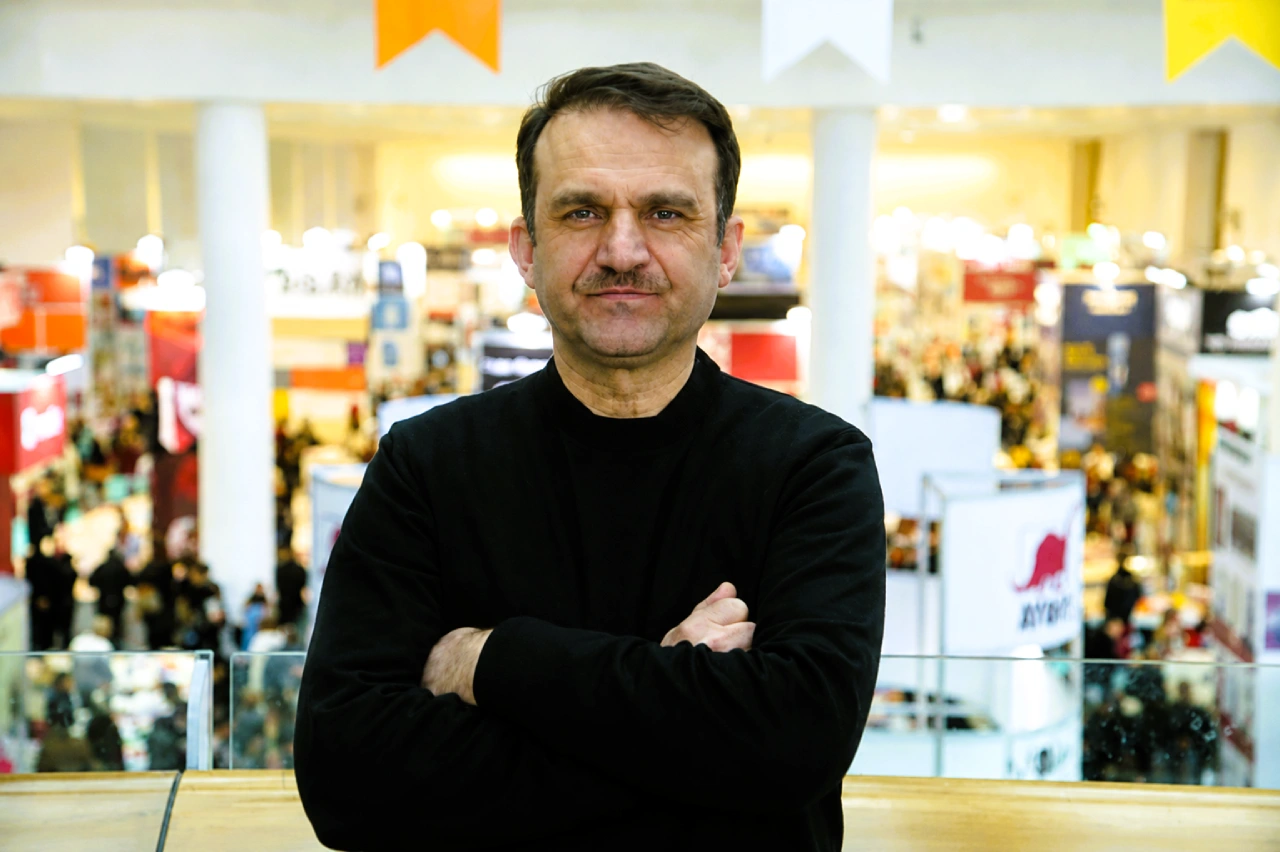
Prof. Dr. Hamdi Temel, head of the Department of Medical Pharmacology at Yozgat Bozok University Faculty of Medicine and chair of the board of the Environmental Awareness Development Association, has attracted attention with his studies examining chemicals in PET bottles and research into whether microplastics can reach the human brain and affect behaviour. Temel spoke about the scale of microplastic pollution, its effects on human health and the measures that need to be taken.
“We Have Trapped the World and Ourselves in Plastic”
Temel said one of the main reasons plastic use has become so widespread is people’s desire for a more comfortable life, adding, “Because plastics are cheap and lightweight, everyone began using them. Over time, the plastics we use break down into smaller pieces and turn into microplastics.”
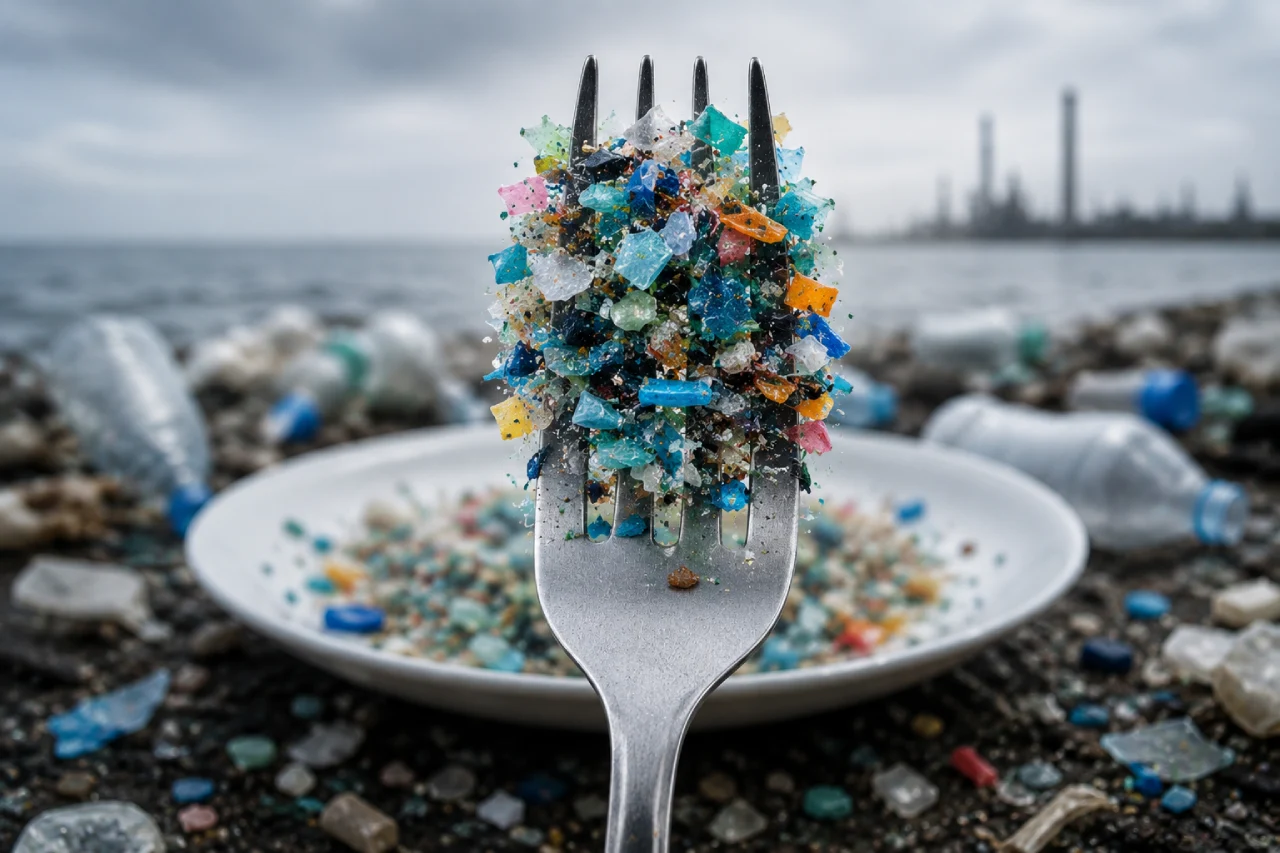
Drawing attention to how widespread microplastics have become, Temel said, “When plastic becomes smaller than five millimetres, we call it microplastic; when it becomes much smaller, we call it nanoplastic. We now detect microplastics in plants, fish and human blood. Microplastics are even present in the placenta in the womb; before a baby enters the world, it encounters microplastics before it meets its mother. Researchers have detected microplastics in human faeces and even in clouds. In Antarctica, a study conducted by scientists from Türkiye also found microplastics. Our salt and tap water contain microplastics as well. We have trapped our homes, ourselves and the world in plastic.”
From the Lungs to the Brain, From the Heart to Cancer: What Do Microplastics Do in the Body?
Listing the organs that microplastics reach in the body, Temel said, “Because we inhale them through the air, researchers have detected microplastics in the lungs. What we eat and drink affects the liver and intestines. They enter our cells through the bloodstream. An incredible amount of microplastic has also accumulated in brain tissue.”
Temel stressed that plastics pose a threat not only because of microplastic particles but also because of the chemicals they contain, adding, “Plastics are petroleum derivatives, but before they reach us, manufacturers add phthalates as softeners and heavy metals for colouring. They use harmful chemicals such as bisphenol to extend the lifespan of large water bottles. In other words, they consider the economy, but unfortunately, no people are thinking about health.”
Explaining the effects of microplastics on human health, Temel said, “They disrupt the endocrine system and affect your hormonal balance. I believe one of the biggest reasons obesity has become so widespread is the consumption of food and drinks wrapped in plastic. They can suppress the immune system. This is also one of the reasons cancer cases have increased so much. Cardiovascular diseases and blood-pressure problems are all linked to one another in a chain.”
Temel said diabetes, heart disease, blood-pressure problems and cancer have now become routine, adding, “These diseases have begun to affect one in every three people, and according to some studies, one in every two. We encounter a new type of cancer every day.”
Microplastics That Reach the Brain: Links to Parkinson’s and Dementia
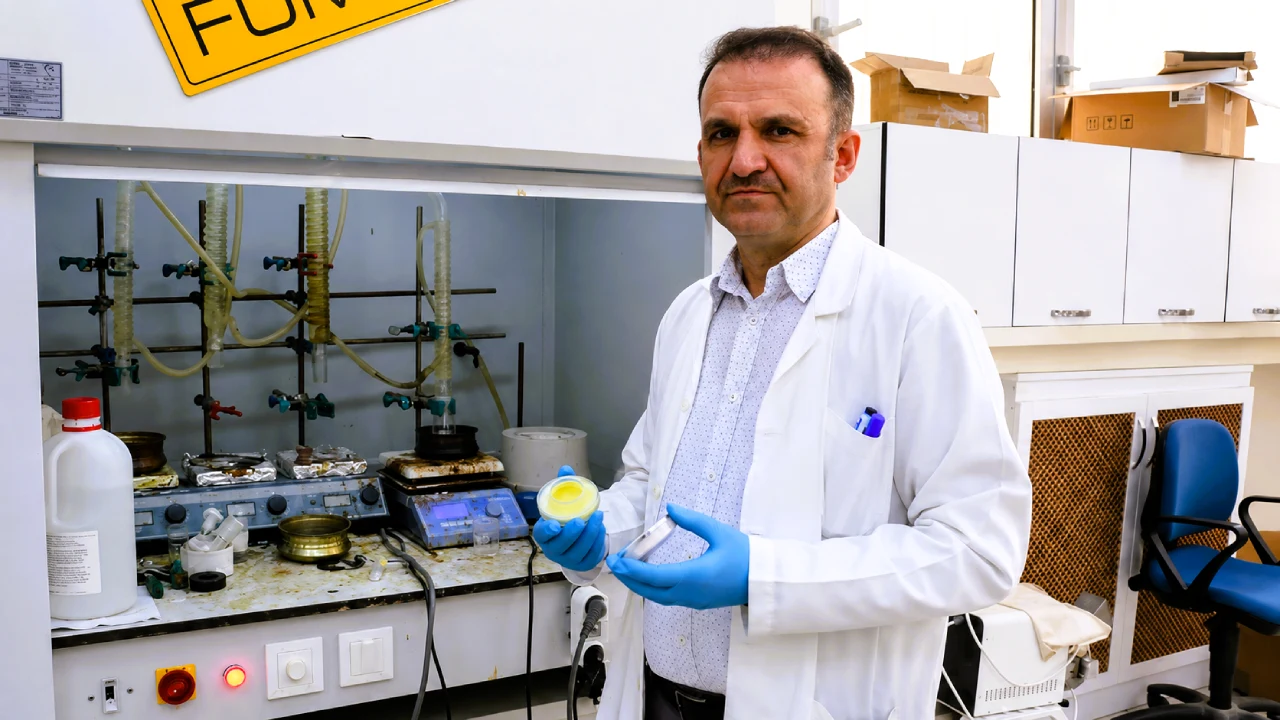
Describing the research he has conducted in this field, Temel said, “In a 500-millilitre PET bottle, we detected three chemicals: Chimassorb 81, oleamide and Irgafos 168. After exposure to sunlight for a period of time, two more chemicals appeared: Antioxidant 2246 and butylated hydroxytoluene. This was the first study in the world in this field.”
Temel said they had also researched the effects of microplastics on human behaviour, adding, “Because microplastics have now begun to accumulate in the brain, they will also change your behaviour. This will also be one of the first studies of its kind in the world. We proved that the number of people with Parkinson’s disease and dementia has increased worldwide because of microplastics.”
Temel said the academic study on this subject would soon be published. He has also brought together this research and other information from the literature in two books, Naylon Aşkı Öldürür and Suyun Sesini Duydum.
Is It Possible to Reduce Exposure?
Temel said this information came from calculations by Dr. Thava Palanisami, a microplastics researcher at the University of Newcastle in Australia, adding, “Depending on the environment in which a person lives, they consume the equivalent of a credit card’s worth of plastic once a week, sometimes once a month and sometimes once a year. These particles are even present in the air we breathe. People living in cities face much greater exposure to microplastics.”
Temel also said there is no known method for eliminating microplastics that enter the body, adding, “Honestly, we have no chance; for now, it is difficult to say with certainty that we can do this or that.”
Glass and Steel Should Take Priority
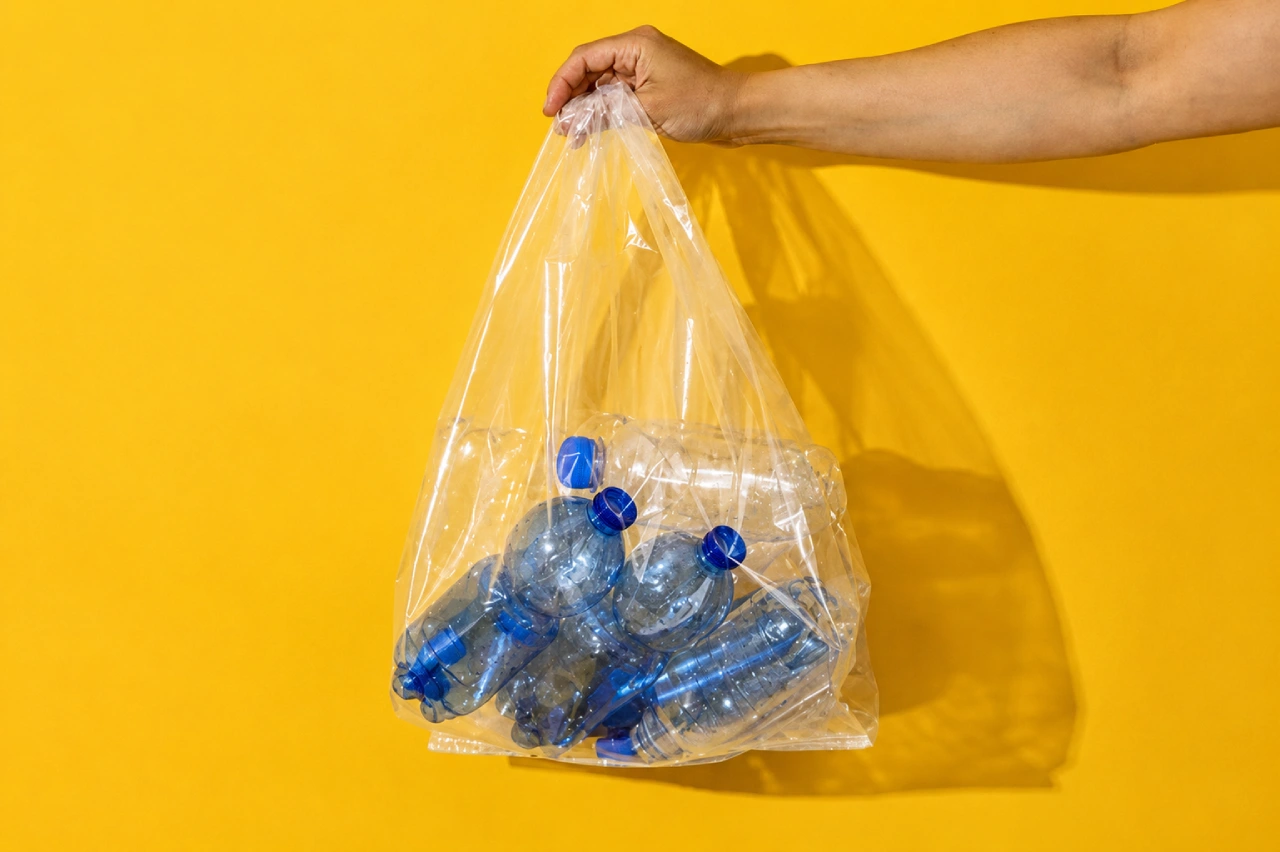
Temel said people should begin with the kitchen when taking individual precautions and should choose alternative materials such as glass and steel, adding, “The first place to look should be the kitchen. Replace all plastic storage containers and large plastic water bottles with glass. Never consume hot food or drinks in plastic containers. Foam cups and even paper cups are products with a plastic lining inside. We need to try to replace them with glass.”
Stressing the importance of reducing single-use products, Temel said, “We need to use cloth bags, avoid leaving plastic bottles in the sun, reduce our consumption of packaged food and choose natural textile products. We should also remember that shoes and vehicle tyres contribute to the formation of microplastics.”
“They Are Poisoning Themselves at Home”
Temel recalled that before the coronavirus pandemic, the government had taken steps towards banning single-use products, adding, “During and after the coronavirus pandemic, single-use products became somewhat more widespread. Some people even use single-use plastic plates, forks and knives in their homes; they are poisoning themselves at home.”
Temel also drew attention to Türkiye’s rich boron reserves, adding, “Türkiye is known to hold a large share of the world’s boron reserves. We can produce glass made from boron much more cheaply and develop products that can replace plastic. Giving priority to glass and steel makes much more sense.”
The Government Must Take Tough Measures
Temel said the government needed to take much stronger action, adding, “We need to expand recycling and improve the deposit system. Authorities should collect and destroy plastic packaging waste from agricultural chemicals. Reusing these packages through recycling may also create serious risks. They should never be used in food- or health-related products.”
Temel also referred to the Zero Waste Project, carried out under the patronage of First Lady Emine Erdoğan, adding, “Projects of this kind need to continue. They need to move forward with much stronger, concrete steps that the public can see and that can gain a stronger place in public awareness. The government needs to take much more serious and tougher measures and inform the public.”
“A Crisis Greater Than the Coronavirus Is Approaching”
Temel said the problem was not limited to human health, adding, “If you have polluted the soil, how will you clean it? We have polluted our oceans, seas and rivers.”
Drawing attention to the importance of public awareness in the fight against microplastic pollution, Temel said, “If we do not do these things, we will face serious problems far greater than the coronavirus in the future. This really is no joke.”
Temel said, “We are putting our health at risk to live a little more comfortably. At the very least, it is time to begin in our kitchens, distance ourselves somewhat from plastic containers and everything related to plastic, and give our bodies a break.”