Turkish Medical Association (TTB) Central Council President Prof. Dr. Alpay Azap said the regulation on traditional and complementary medicine—known in Türkiye by the acronym GETAT, from Geleneksel ve Tamamlayıcı Tıp—lacks a scientific basis and warned that the spread of these practices could lead to delayed diagnoses and serious health problems. Azap said, “In a few years, we will encounter many patients harmed by GETAT practices. Perhaps a concept called the ‘GETAT side effect’ will enter the medical literature.”
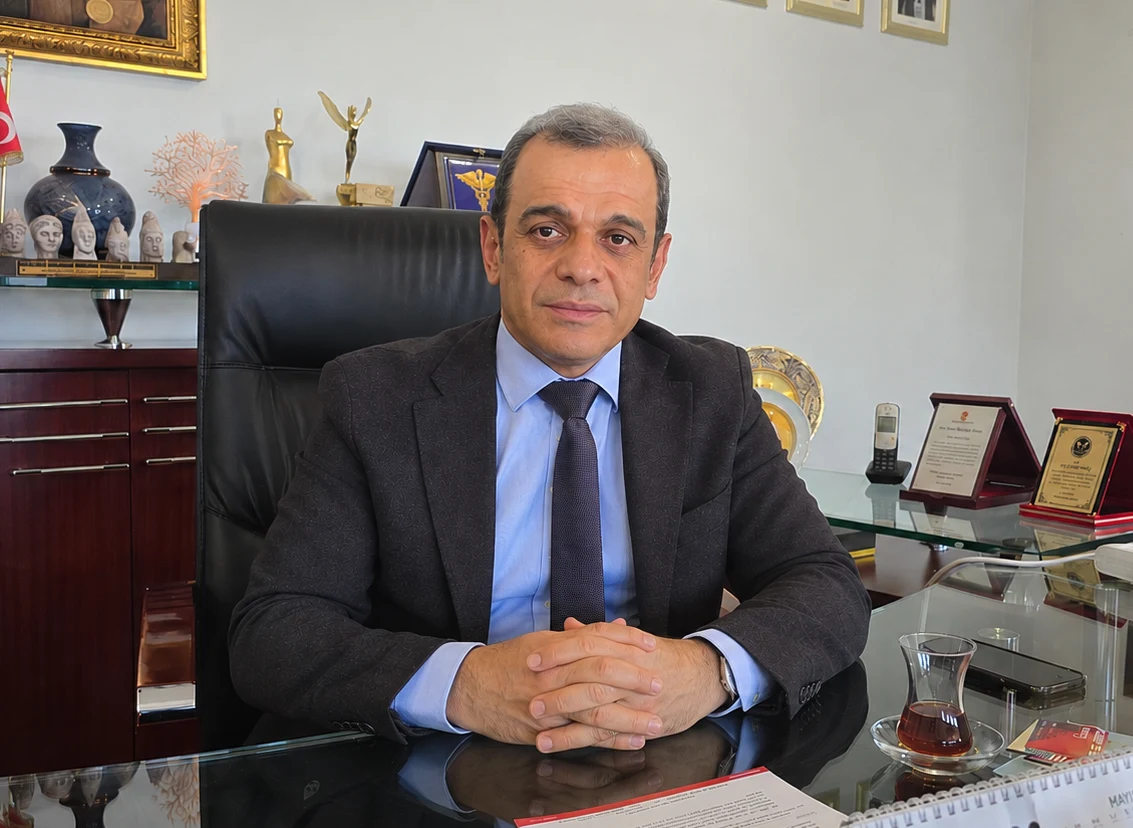
In July 2025, the Ministry of Health amended the GETAT Regulation, opening the way for 15 different practices—including cupping, acupuncture, phytotherapy and leech therapy—to be carried out in non-hospital centres and by non-physician health workers. The Turkish Medical Association strongly opposed the regulation, saying it lacked a scientific basis and threatened public health. TTB Central Council President Prof. Dr. Alpay Azap explained the association’s objections and demands.
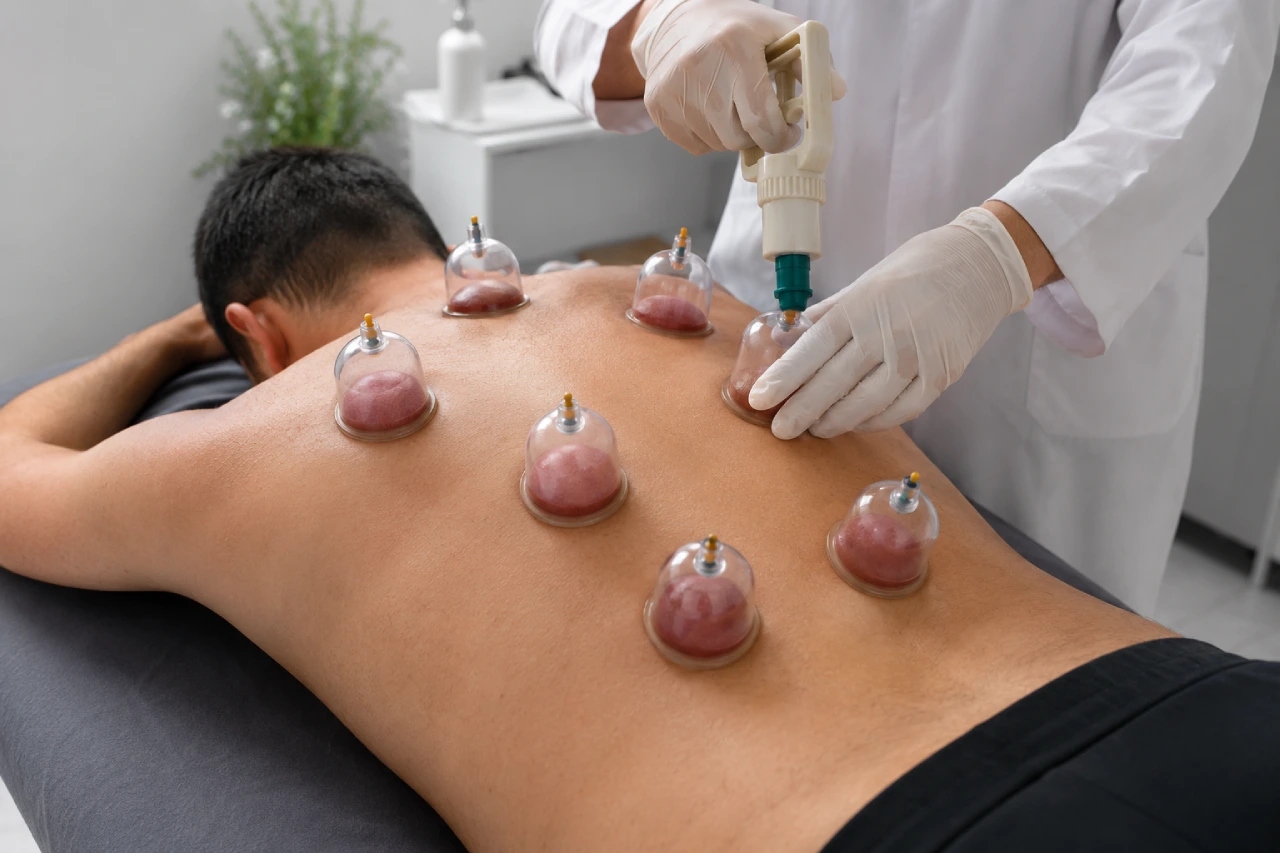
Azap said the TTB’s objection to the GETAT Regulation rested on medicine’s principle of “first, do no harm,” adding that well-designed scientific studies did not exist for most of the practices. He stressed the need for scientific studies that could demonstrate the effects of methods such as cupping, dry cupping, wet cupping and prolotherapy.
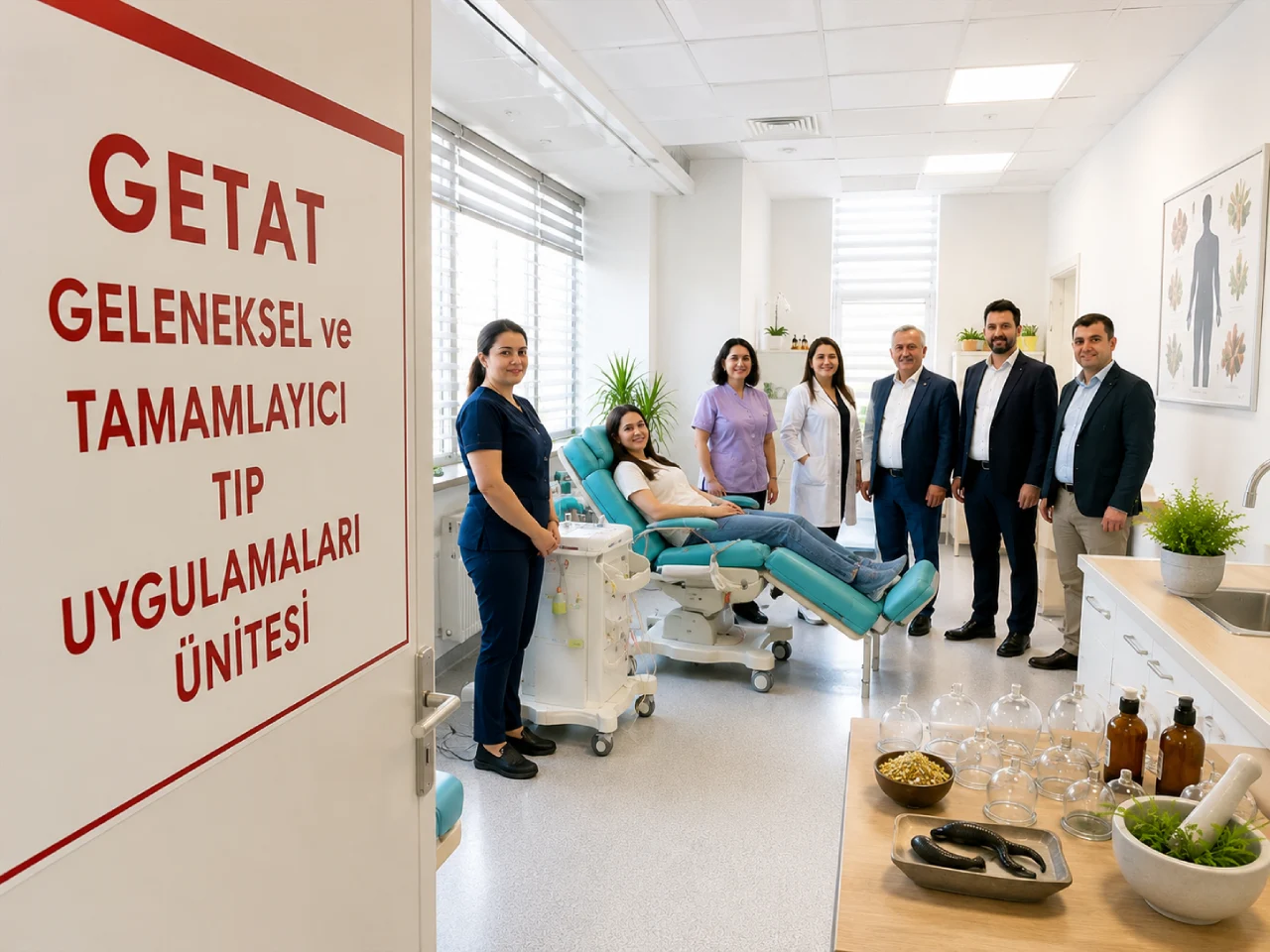
Azap: “We Granted Permission First, Then Said, ‘Research Them’”
Calling what had happened in Türkiye in the field of GETAT “unthinkable,” Azap said the regulation authorised 15 different practices, while the regulation governing studies intended to show that these practices were safe and effective appeared five years later. Azap said, “The GETAT Regulation came into force and authorised 15 different practices. However, the regulation concerning studies showing that these practices were safe and effective was published five years later. In other words, we granted permission first and then said, ‘Research them.’ Instead of receiving a scientifically proven and effective treatment, a patient may undergo one of these practices and be deprived of that effective treatment.”
Azap noted that although the ministry had established an institute within TÜSEB for this purpose, it granted permission without waiting for the research to be completed. “Before granting permission, the authorities should have determined whether these practices were truly safe and whether their benefits outweighed their harms,” he said.
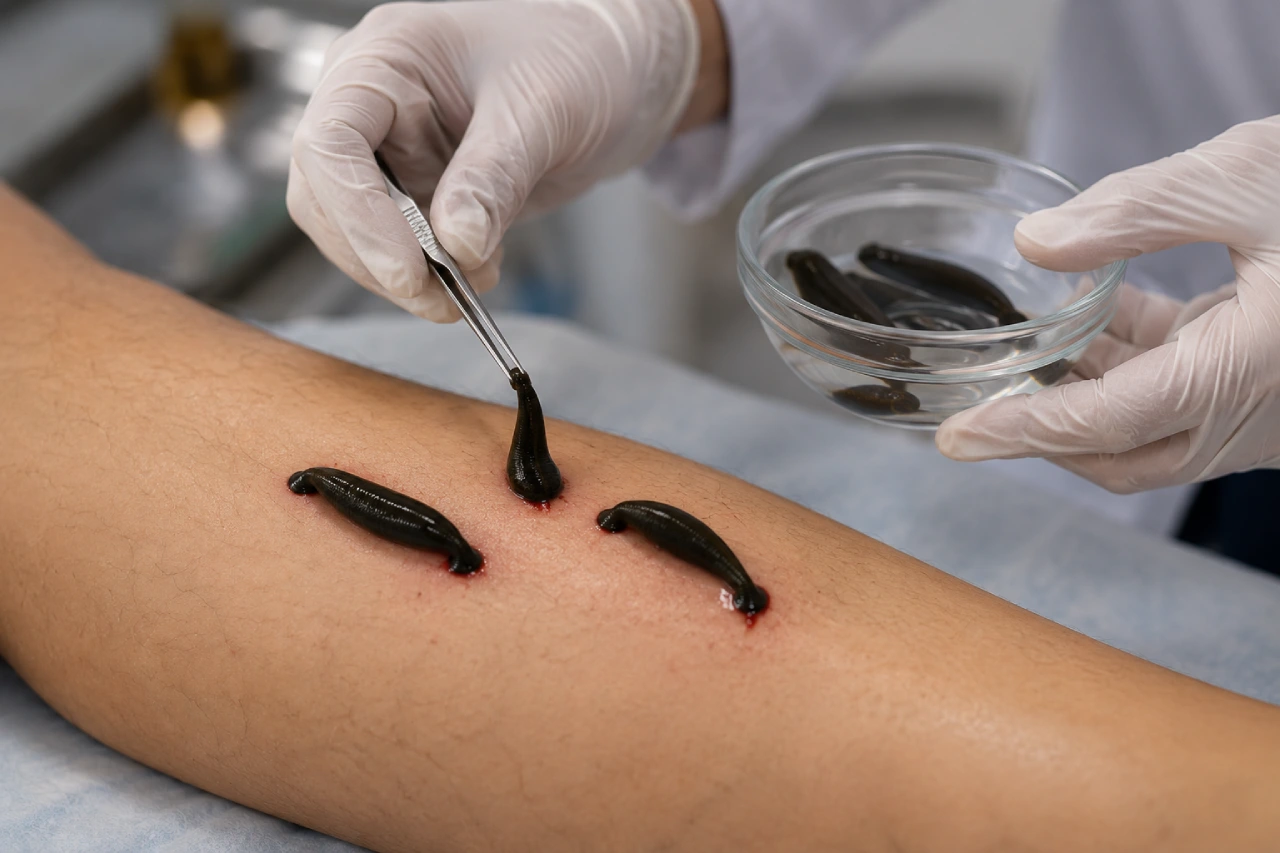
Leech Therapy: Every Procedure Carries Risk
Azap stressed that GETAT practices may appear to work because of the placebo effect, but every procedure carries risk, and he drew attention to leech therapy as an infectious diseases specialist. Azap warned, “Leeches can carry dangerous microorganisms and transmit them from one patient to another. If the practitioner lacks sufficient knowledge and the leeches are not used only once under hygienic conditions, serious consequences may occur, including the loss of a leg.”
Primary Care Limits GETAT to Two Practices
Azap recalled that an omnibus law had also opened the way for GETAT practices in primary-care clinics, but said the TTB’s sustained objections had helped narrow the scope. Azap said, “The number of practices to be carried out in family health centres was reduced from 15 to two—acupuncture and phytotherapy. At the very least, methods for which we have some evidence should be used, and physicians should perform them.”
Non-Physician Practice May Create a Risk of Delayed Diagnosis
Azap described the authority granted to non-physician health workers to carry out GETAT practices as one of the regulation’s most critical problems and drew attention to the risk of delayed diagnosis. Azap said, “A person who undergoes wet cupping because of back pain may actually have cancer that has spread to the bones of the back. A person who seeks acupuncture saying, ‘I have gained weight,’ may have a tumour in the adrenal gland or the brain. Before beginning any treatment, we must determine the cause of the complaint, and only a physician can do that. Otherwise, patients may receive the diagnosis of their actual illness too late.”
Azap also found the certification process for GETAT practitioners inadequate. “Whether a one-month or 40-hour course provides sufficient training is debatable. Moreover, the regulation allows uncertified people to carry out procedures in non-hospital centres under the supervision of a certified person. Who will inspect whether this supervision actually takes place, and according to what criteria?” he asked.
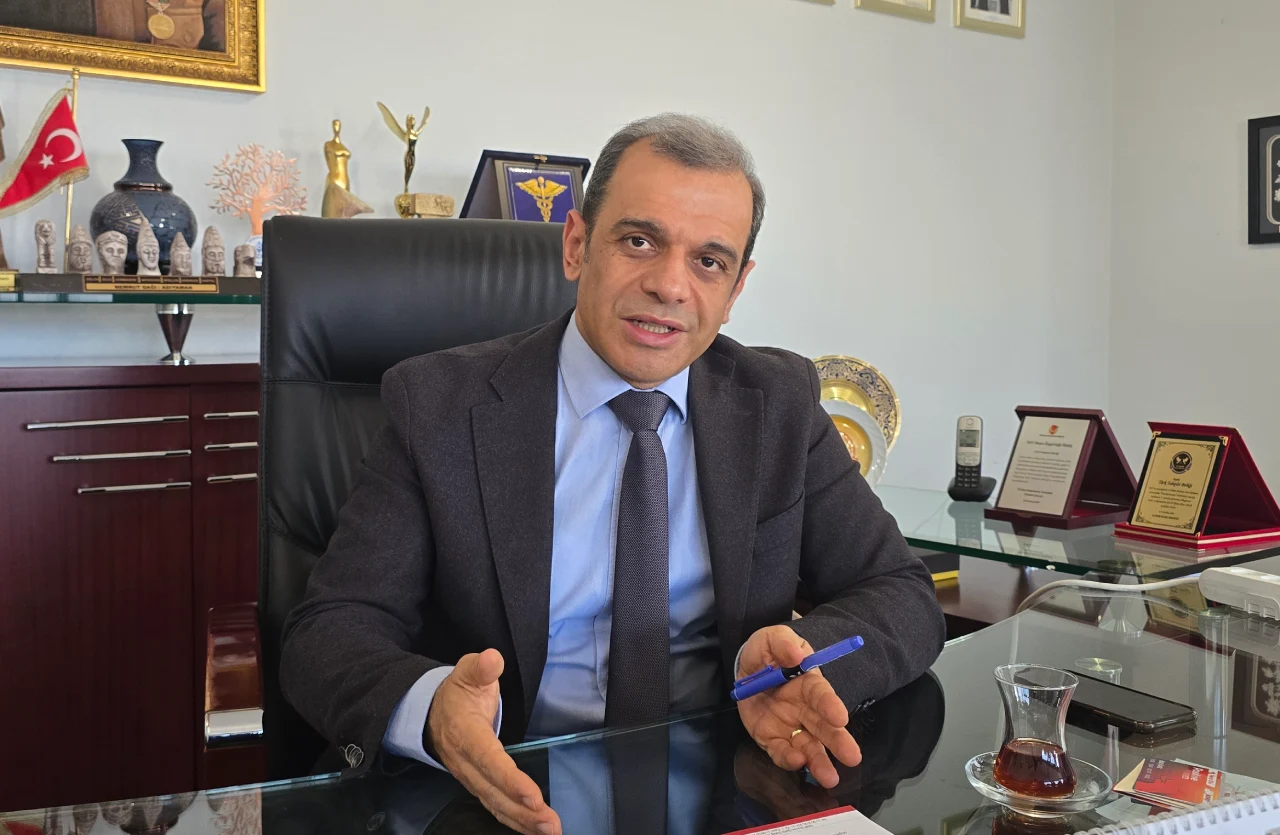
The Oversight Deadlock
Azap said overseeing GETAT practices was extremely difficult and referred to the newborn scandal. “If Türkiye carried out inspections properly, we would not experience these problems so often. It is possible to conduct administrative inspections of whether a centre has suitable physical conditions, adequate hygiene and certified staff. However, even in a centre that meets all these requirements, it is not possible to determine whether the procedure has been carried out correctly,” he said.
Warning Over the Nursing Shortage
Drawing attention to Türkiye’s nursing shortage, Azap said GETAT could also create problems in the health system in terms of human resources. Azap said, “Ideally, there should be three nurses for every physician. In Türkiye, however, the ratio is 1.3 nurses per physician. If you occupy these nurses with treatments whose effectiveness and safety have not been established, you will not find enough people to provide treatments that have been shown to work. This would amount to a misuse of human resources.”
According to information shared with him by the president of the Nurses Association, Azap said 8,000 nurses went abroad in 2024. “Türkiye discusses the migration of physicians, but we also need to discuss the migration of nurses,” he said.

“Physicians Will Face Pressure”
Azap said the regulation would also place serious pressure on physicians. “Patients will say, ‘The ministry has approved this, said it can be carried out in hospitals, and the Social Security Institution reimburses it. Why are you not doing it?’ Physicians will therefore have to use methods whose effectiveness and safety have not been clearly demonstrated through scientific studies. At the very least, they will face pressure to do so,” he said.
Azap said the TTB also warned physicians who practise GETAT about legal risks. “If a patient later complains, suffers harm because of the treatment and files a complaint, you will have to prove that the treatment is effective and safe. We tell physicians: use it only if you can prove that,” he said.
Distrust of Modern Medicine Increases Interest in GETAT
Azap said distrust of scientific medicine lay behind the public’s growing interest in GETAT. “Every day, all kinds of claims are made about vaccines. Yet studies involving millions of people show that these vaccines are extremely safe. The ministry’s duty is to promote scientific methods, but I believe the state has remained passive on this issue,” he said.
Azap stressed that short consultation times also fuelled this trend and said physicians could not spend enough time with patients. “Even if a doctor does everything correctly, there is no time to explain it. Rather than deal with a stern-looking doctor who has 80 patients waiting outside, the patient turns to other methods,” he said.
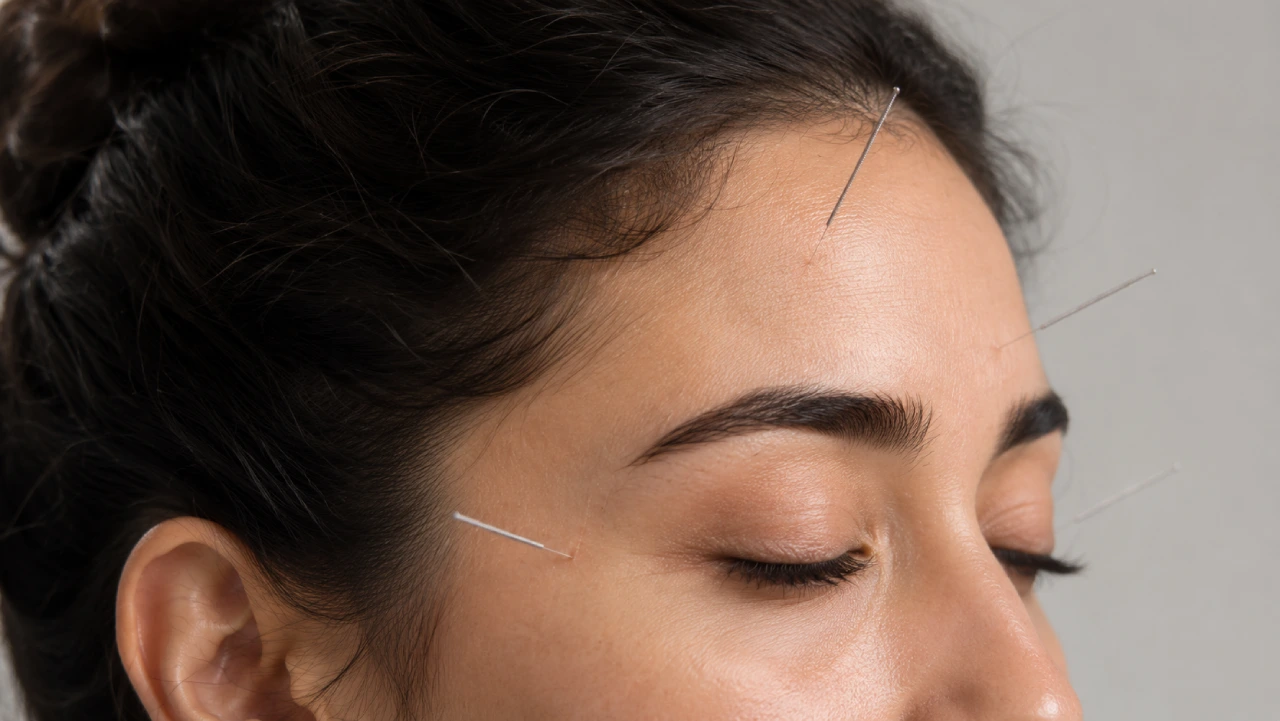
Practices Supported by Evidence Should Be Distinguished
Azap stressed that the TTB did not reject every GETAT practice outright. “Medicines, after all, also originate from plants. But dosage distinguishes a medicine from a poison. Of these 15 practices, only those shown by strong studies conducted according to international scientific standards to be safe and effective should be permitted. Research should be conducted first for the others. The regulation should not use the general term ‘GETAT’ for all the practices; it should distinguish those supported by evidence,” he said.
Azap stressed that decisions concerning human health must follow the scientific method. “I could also go out and claim that mixing the ash of a tree with water and drinking it protects people from COVID, and I could gather followers for years. Human health is a sensitive matter in which we must act according to the scientific method,” he said.
A Warning About the “GETAT Side Effect”
Azap said that if the current regulation remained unchanged, Türkiye would encounter many patients harmed by GETAT practices in the coming years. “The number of people who cannot access modern medical treatments will increase, and deeply undesirable things will happen to them. Perhaps a term such as the ‘GETAT side effect’ will enter the medical literature—thanks to Türkiye. Of course, we can use methods that scientific evidence has shown to be effective and safe, in appropriate cases, for appropriate patients and in the appropriate way,” he said.