
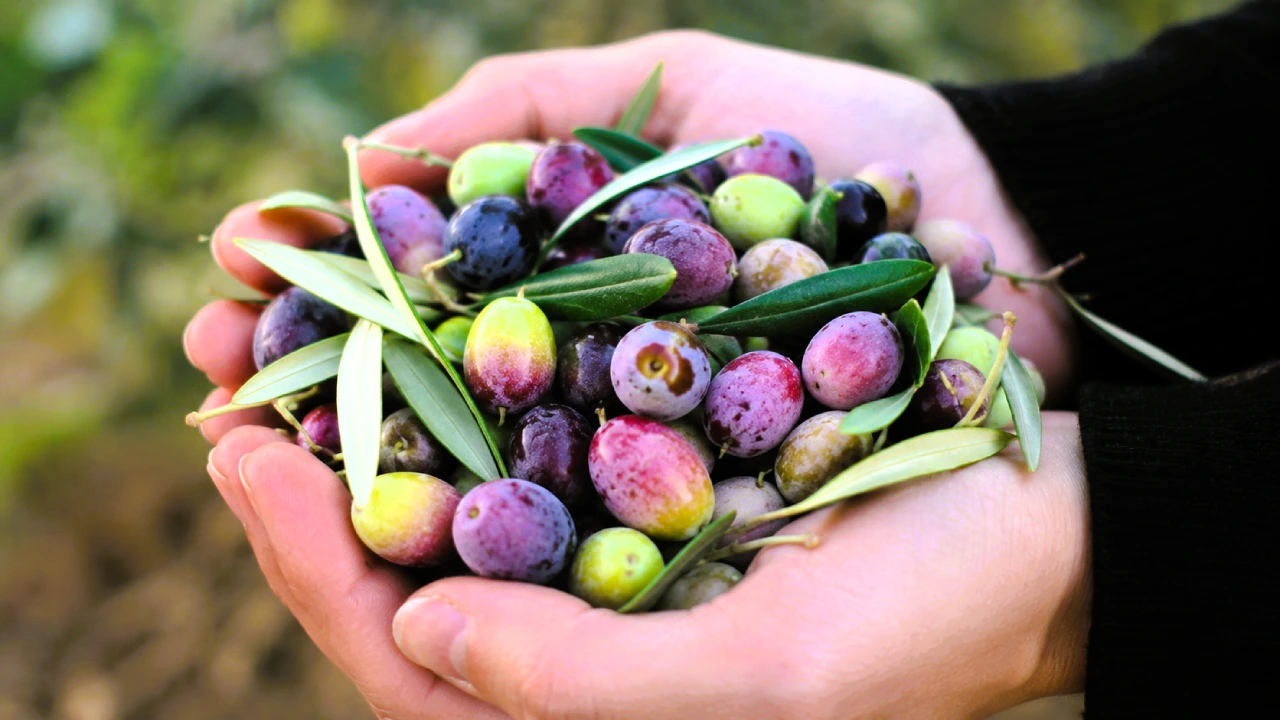
Türkiye’s share of production and product quality is declining in sectors where it has traditionally been strong, such as olives and hazelnuts. Temizel attributes the trend to misguided policies and the country’s failure to create added value.
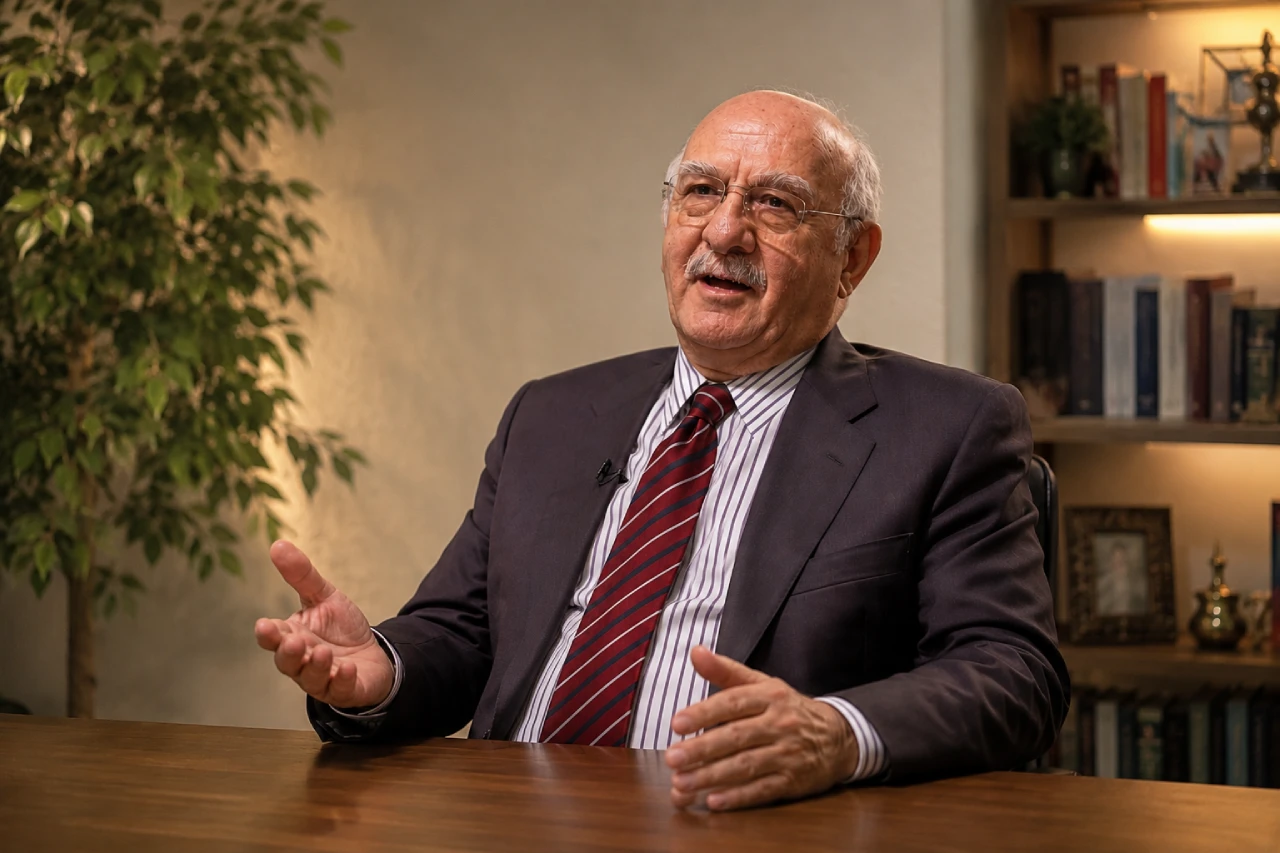
Former Finance Minister Zekeriya Temizel has settled in the western district of Söke following his political career, where he develops sustainable production models that transform agricultural kernels and by-products into value-added products. Through his work under the Country Policies Foundation (Ülke Politikaları Vakfı), which he helped establish in 2001, Temizel focuses on sustainability and the circular economy. He said the foundation aims to uncover Türkiye’s potential and identify the factors preventing it from being fully realized on a global scale. Drawing on his experience in the field, Temizel also argued that Türkiye is losing products in which it once enjoyed a comparative advantage.
Geography alone is not enough
Drawing attention to Türkiye’s geographical advantages, Temizel said, “Türkiye is located in a region that gives it significant comparative advantages in many products. In international trade, there is a concept known as the theory of comparative advantage. A country focuses on products it can produce more efficiently due to its geography and natural conditions, thereby generating the highest returns from those products. Türkiye is a country with a large number of products that enjoy comparative advantages. This is not an emotional argument; it is an economic assessment.”
A sea of tea, hazelnuts and olives
Drawing attention to Türkiye’s agricultural landscape, Temizel said, “There is a sea of tea in Rize. Beginning in Trabzon, a sea of hazelnuts stretches through Giresun, Ordu and Samsun. As you move from Samsun toward the Marmara region, you suddenly encounter a sea of olive trees. It begins around İzmit, passes through Gemlik and Ayvalık, and stretches from the southern Marmara region to Aydın and Muğla. It is truly an olive sea extending for kilometres. Then comes a sea of oranges and citrus fruits. Türkiye has extraordinary potential both in terms of value and product diversity.”
Hazelnut quality has declined, and market share has fallen
Drawing attention to the decline in hazelnut production, Temizel said, “In the 1970s, Türkiye accounted for 83 percent of global hazelnut production. That figure later fell to 73 percent and today has dropped below 70 percent, approaching 60 percent. During this period, quality has also deteriorated.”
Pointing to flawed incentive policies, Temizel said, “In Türkiye, products such as kiwi were promoted as alternatives to hazelnuts. Farmers were given incentives to uproot hazelnut orchards and then incentives to plant kiwi. As a result, hazelnut-growing areas declined significantly. This is not an issue related to local governments; it is entirely the result of government policy. The incentives are provided and the direction is set by the central government.”
Drawing attention to shortcomings in production and processing, Temizel said, “On one hand, there is the issue of maintaining and protecting hazelnut orchards. We have been cultivating hazelnuts in almost the same way for centuries. Meanwhile, countries rapidly moving toward a 50 percent market share have improved their cultivation techniques, modernized harvesting methods and advanced significantly in processing. Türkiye, on the other hand, continues to lose market share.”
Emphasizing that Türkiye should have strengthened its advantage rather than losing it, Temizel said, “We are talking about a product in which Türkiye once held an 83 percent share of global production and for which there is substantial demand worldwide. There is strong demand from the chocolate and confectionery industries, as well as for processed hazelnut products consumed at breakfast. With such demand, it should have been possible to increase an 83 percent share to 90 percent or even higher. Despite this advantage, we are losing market share.”
Quality and production are declining in olives
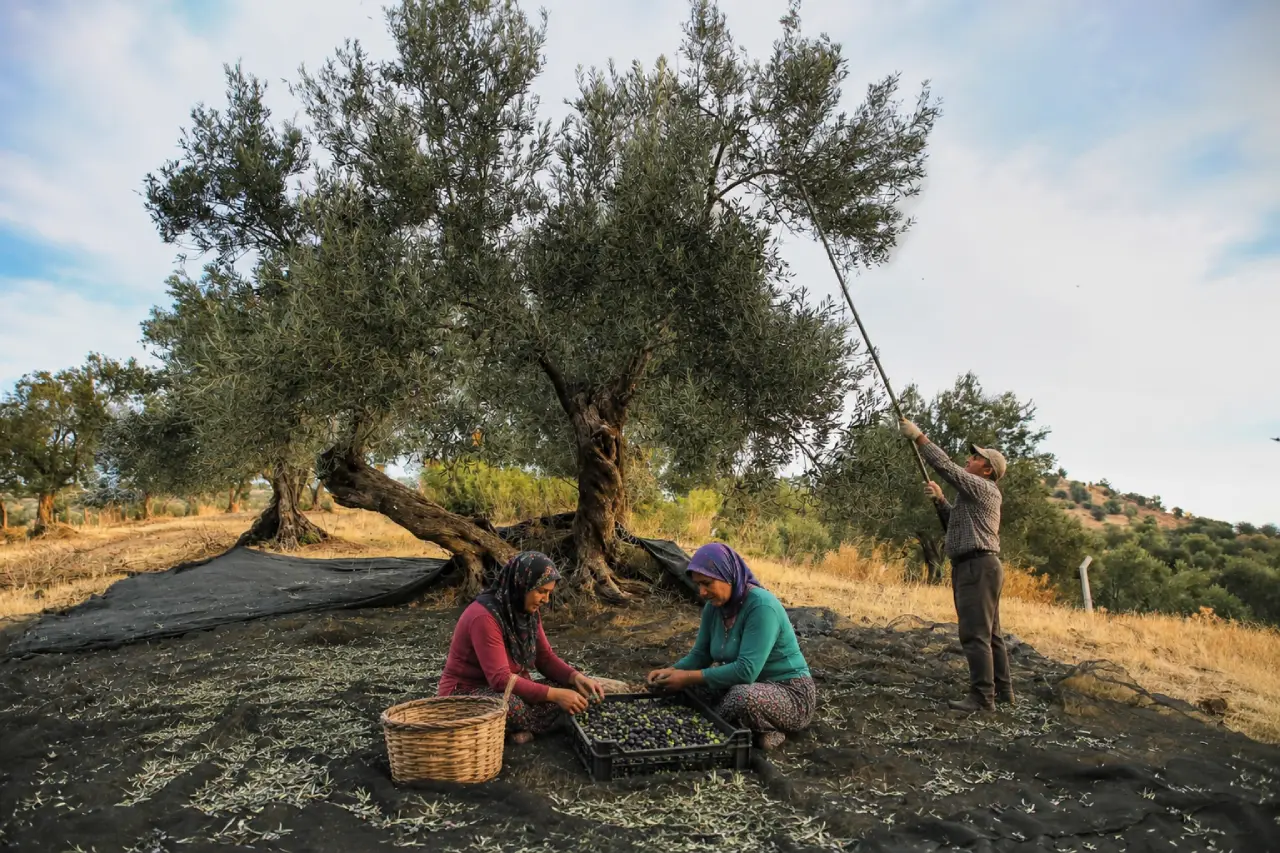
Drawing attention to technical shortcomings in olive production, Temizel said, “In many places, olives are harvested by beating the branches with sticks, causing damage to the trees. If more than 24 hours pass between harvest and processing, acidity begins to develop. As acidity increases, quality declines. Oil produced from olives left waiting for 10 to 15 days cannot be consumed in the same way as high-quality olive oil.”
Pointing to modern harvesting methods used in other countries, Temizel said, “In Spain, olive trees are planted almost like walls. As tractors pass through, harvesting is carried out mechanically. On one side, olives are harvested with sticks; on the other, vacuum-assisted mechanical harvesting is used. We found that Türkiye loses up to 42 percent of its production because post-harvest technologies are not being utilized. Inadequate storage is one of the clearest examples. Onion crises occur regularly, yet products can remain fresh for up to 12 months in controlled-atmosphere storage facilities.”
Drawing attention to problems in processing methods, Temizel said, “Refining involves boiling olive oil at around 300 degrees Celsius for hours. The process removes acidity. However, one must ask how much of the oil’s nutritional value remains after being subjected to such temperatures. Olive oil produced in this way is unlikely to secure a strong position in international markets.”
Warning that production methods remain limited in Türkiye, Temizel said, “Are we protecting olive-growing areas? Are we improving them? Are we carrying out breeding programmes to increase productivity? Beyond grafting wild olive trees, are there efforts to develop new varieties? A significant portion of olive-growing land is being designated as mining areas. Regulations are being proposed that would allow exploration without requiring environmental impact assessments. These lands are being lost before our eyes.”
“Without polyphenols, olive oil loses its value”
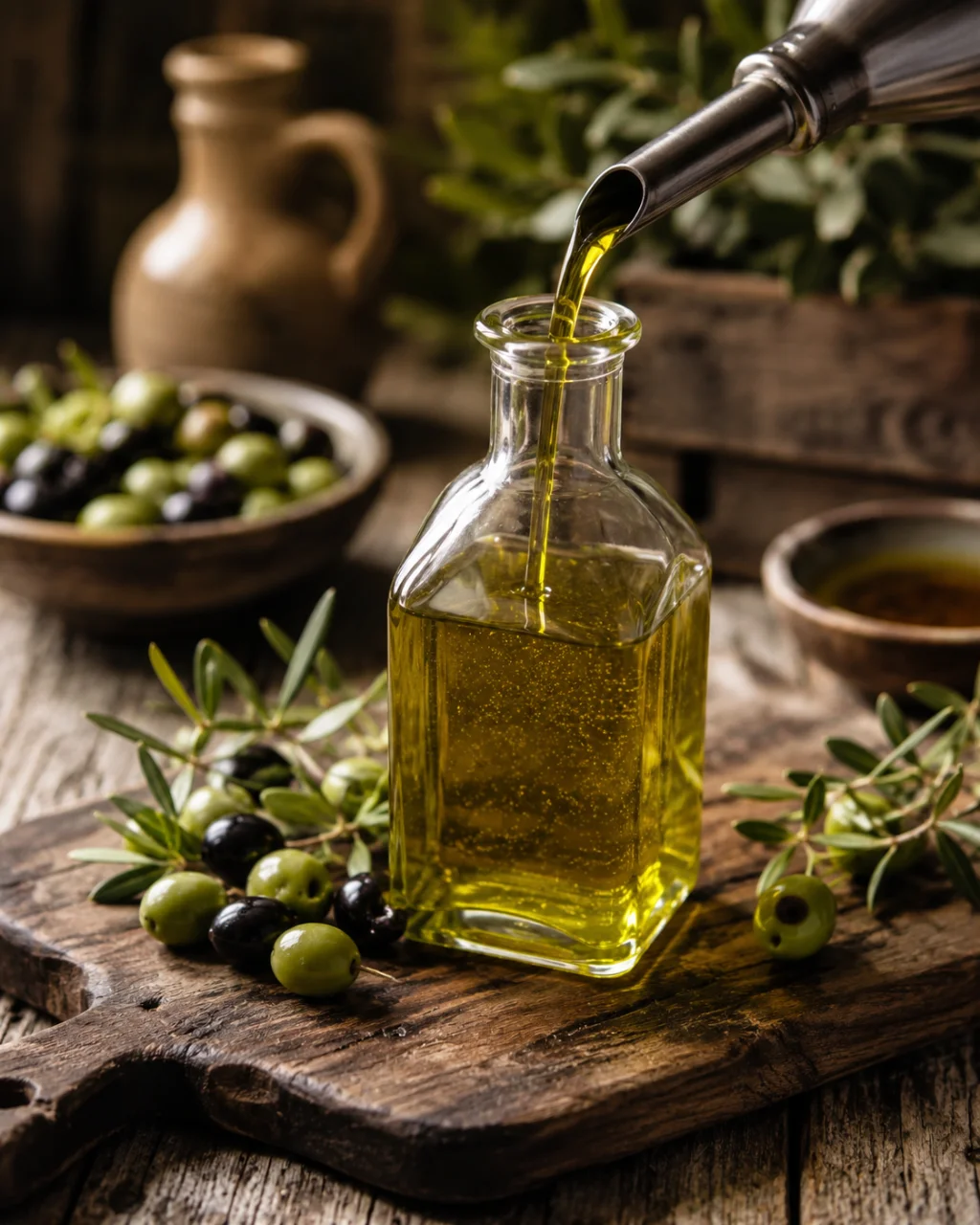
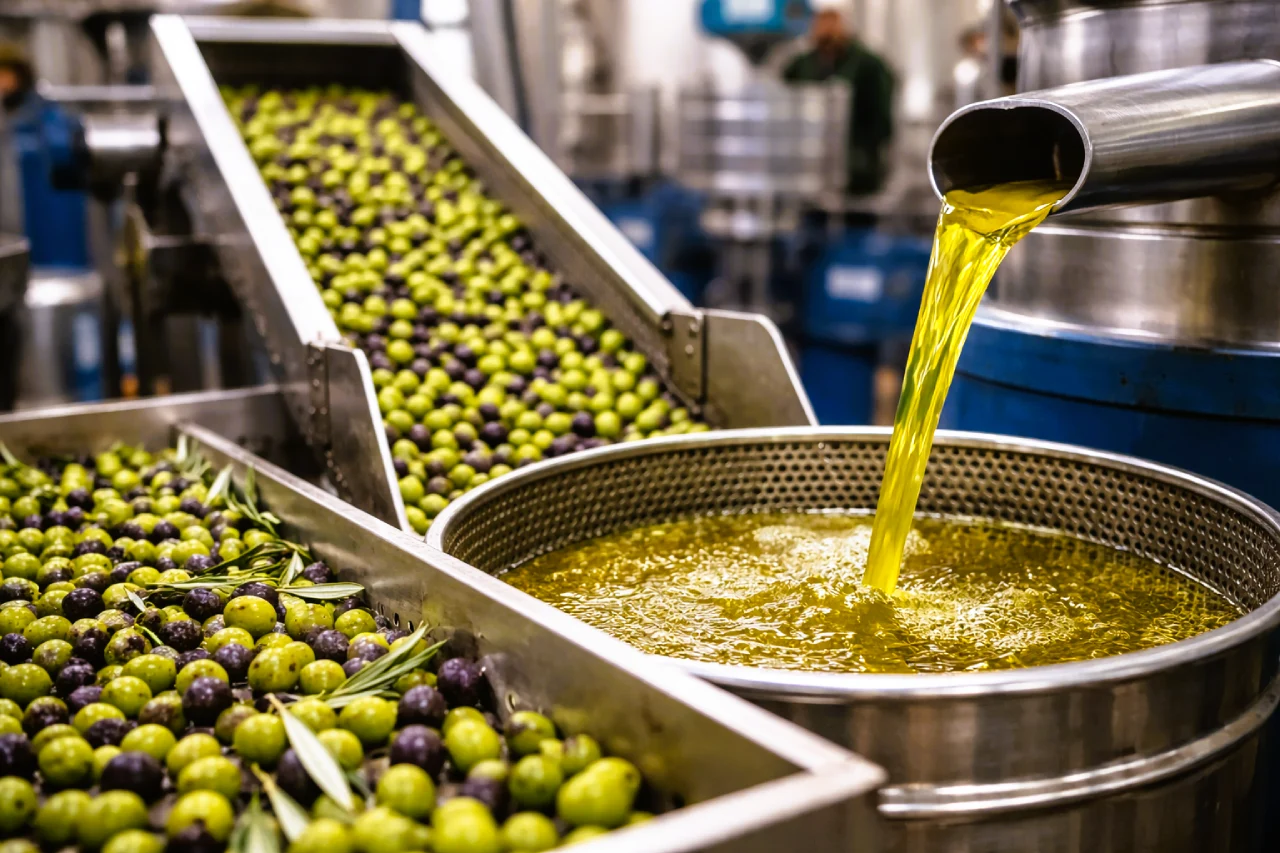
Drawing attention to the components that determine the value of olive oil, Temizel said, “According to the European Pharmacopoeia, if one kilogram of olive oil contains 250 milligrams of polyphenols, it is considered ‘high-polyphenol’ olive oil and can carry health claims. Reaching this level in Türkiye is virtually impossible except in exceptional cases. A certain amount of polyphenols can be found in products harvested very early and processed quickly, but it is difficult to achieve these levels through conventional production methods. Without polyphenols, it is impossible to speak of the true value of olive oil.”
Emphasizing that harvesting and processing methods directly affect quality, Temizel said, “Olives must be processed within 24 hours to preserve quality. Otherwise, a large proportion of the polyphenols are lost.”
“The most valuable part of the olive is the pit”
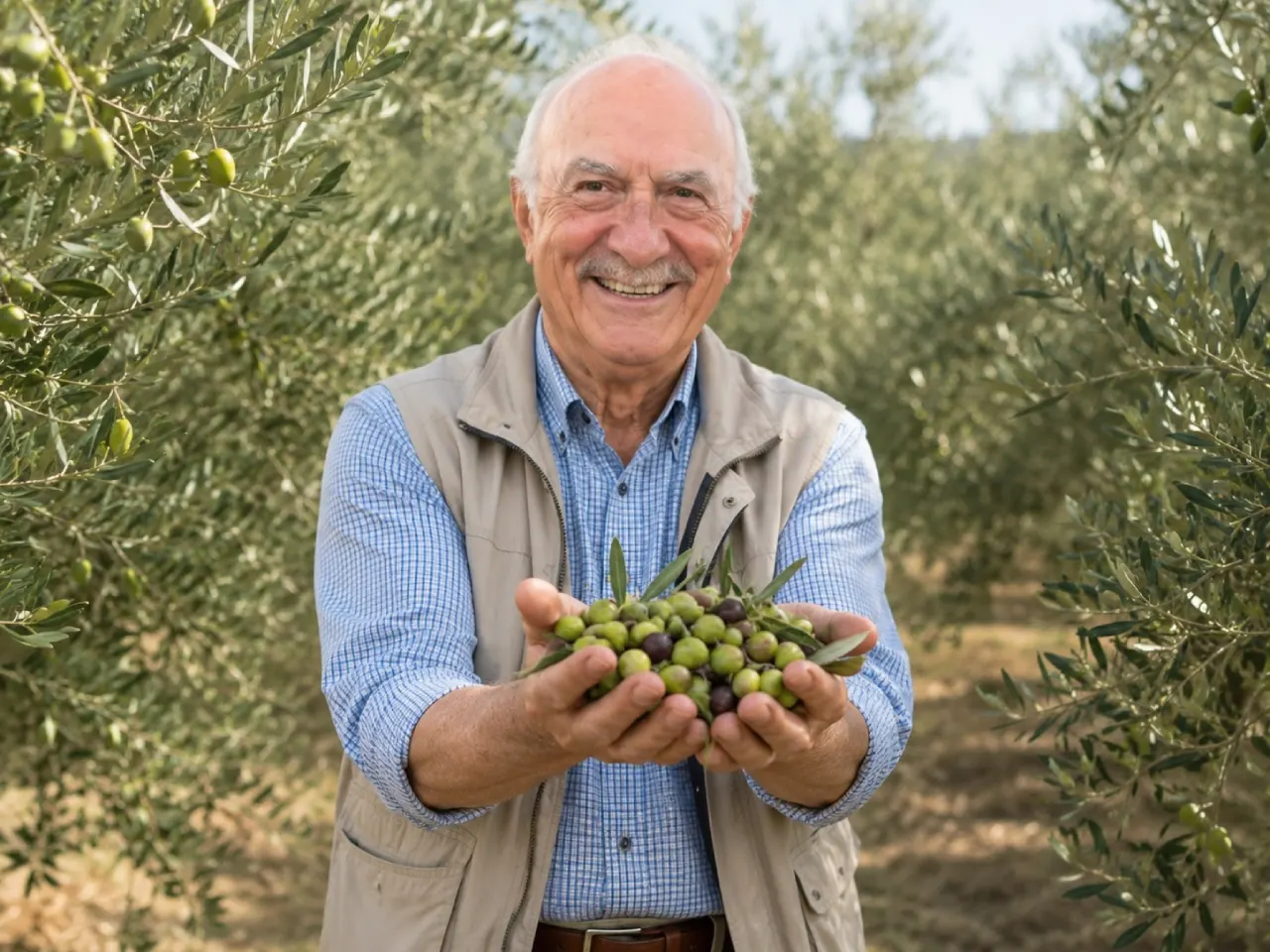
Emphasizing that agriculture’s real potential lies in making use of every part of a product, Temizel said, “If we take olives as an example, most people only think about the fruit itself and olive oil. In reality, the most valuable part is the pit. Most of the polyphenols contained in the pit do not pass into the oil. That is why the pit should be utilized as well. Olive leaves are also highly valuable. The fruit, the leaves and the pit should each be processed separately. After oil is extracted from the pit, the remaining flour can be used to create a range of different products.”
Providing information about the projects he has been involved in, Temizel said, “We established a system that extracts oils from medicinal and aromatic plants as well as fruit kernels. We developed products such as peach kernel oil. We demonstrated that kernels discarded by fruit juice factories can be transformed into valuable inputs. If the stem, waste material, peel, pit and flesh of agricultural products are all utilized, we believe Türkiye’s agricultural sector could generate nearly 40 percent more value without any additional production.”
More valuable than gold
Drawing attention to the economic potential of olives, Temizel said, “If these practices become widespread, I can confidently say that the value generated from olives would exceed the value generated from gold mining. More broadly, every form of agricultural activity is more valuable than gold in terms of production.”
Emphasizing that Türkiye remains strong in production but lags in branding, Temizel said, “We export olive oil in bulk to Italy and Spain. It is processed there and sold under their own brands; it does not appear on the shelves as Turkish olive oil. We have not been able to establish a strong presence in Europe under Turkish brands.”