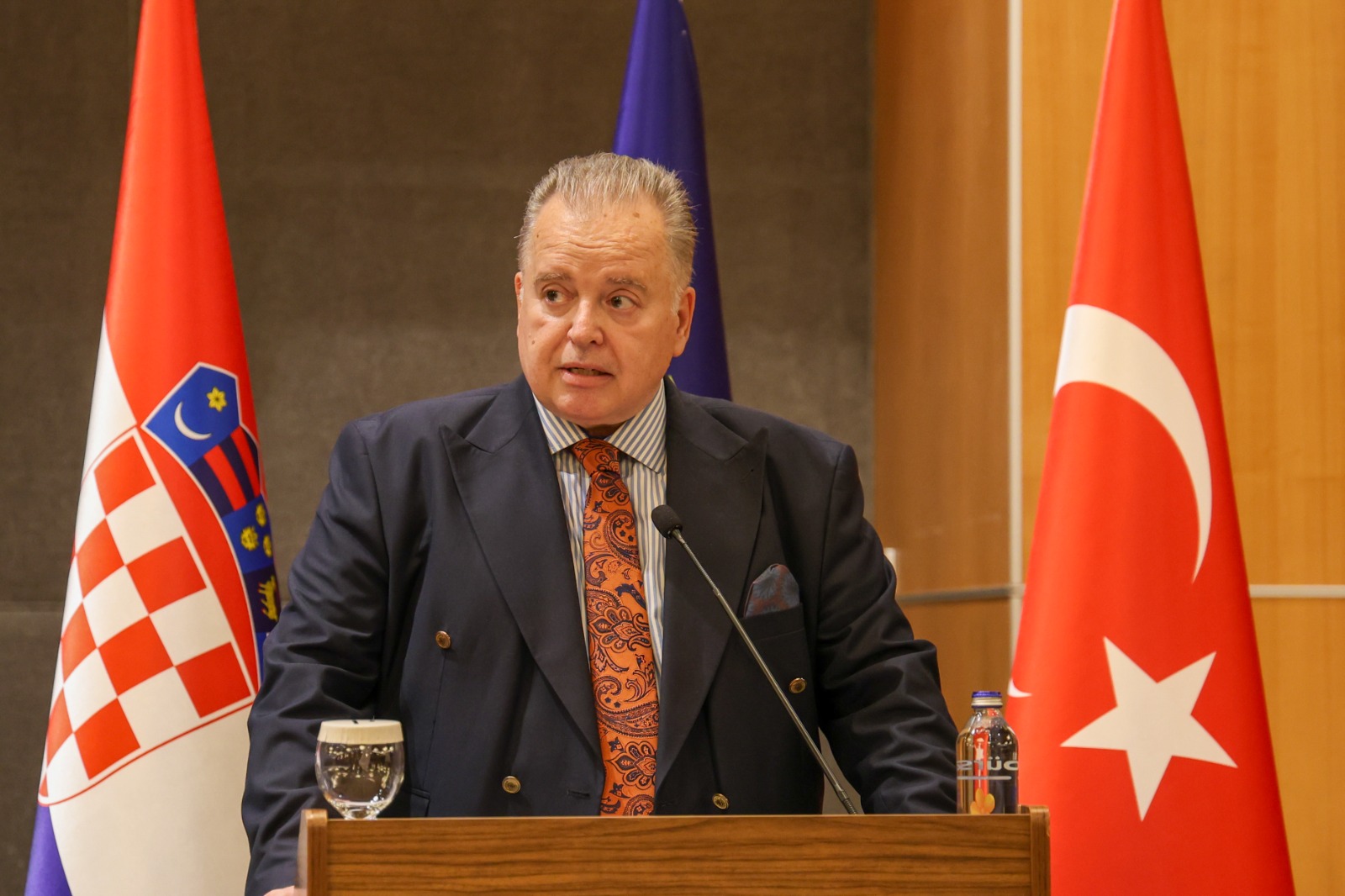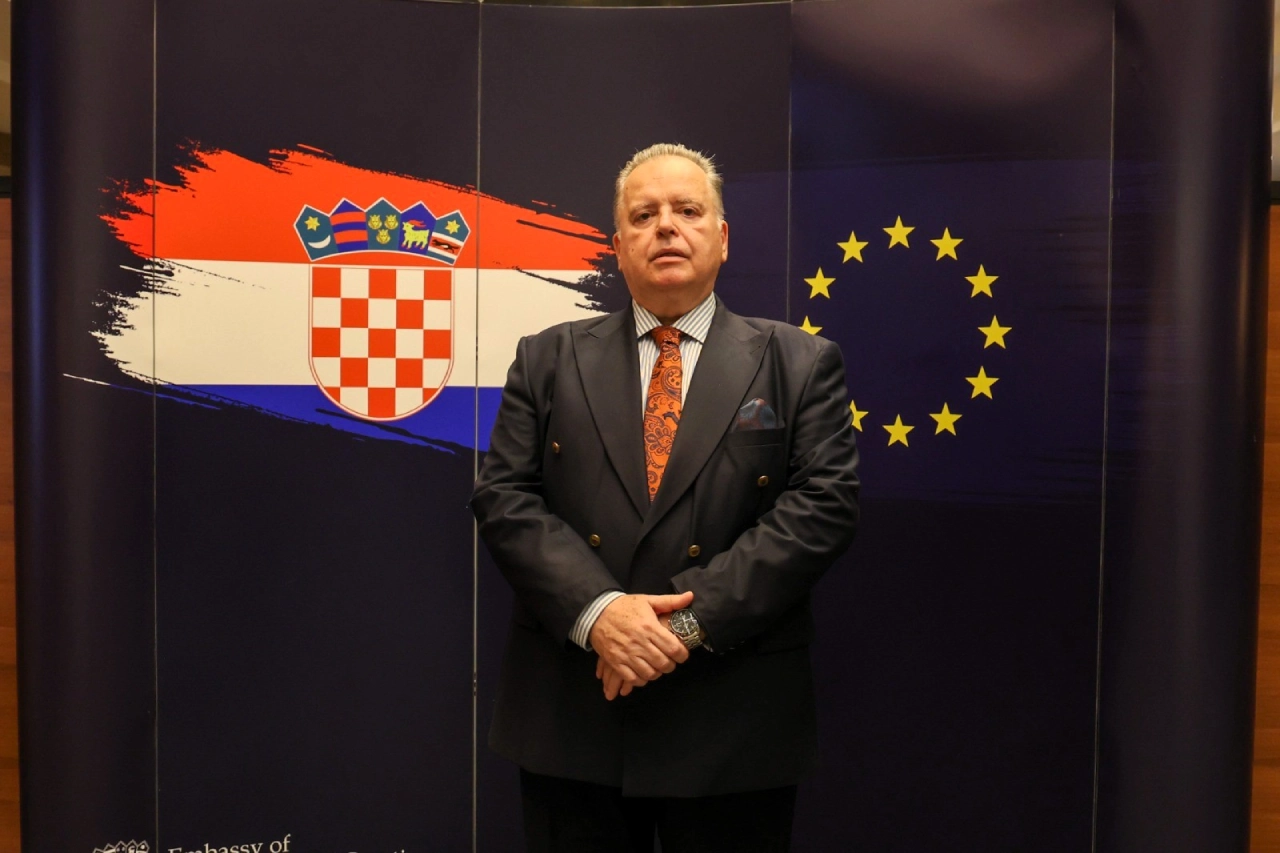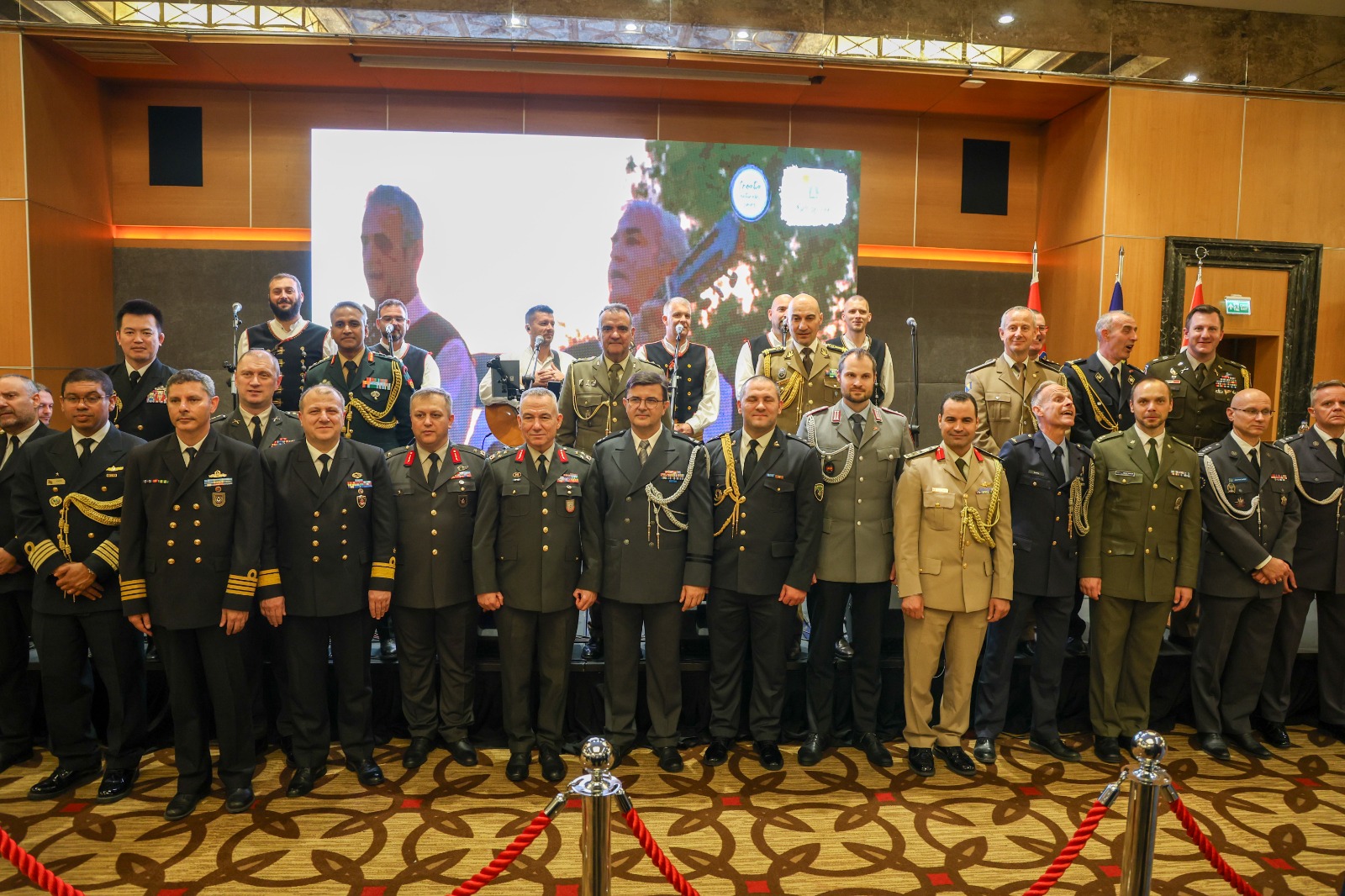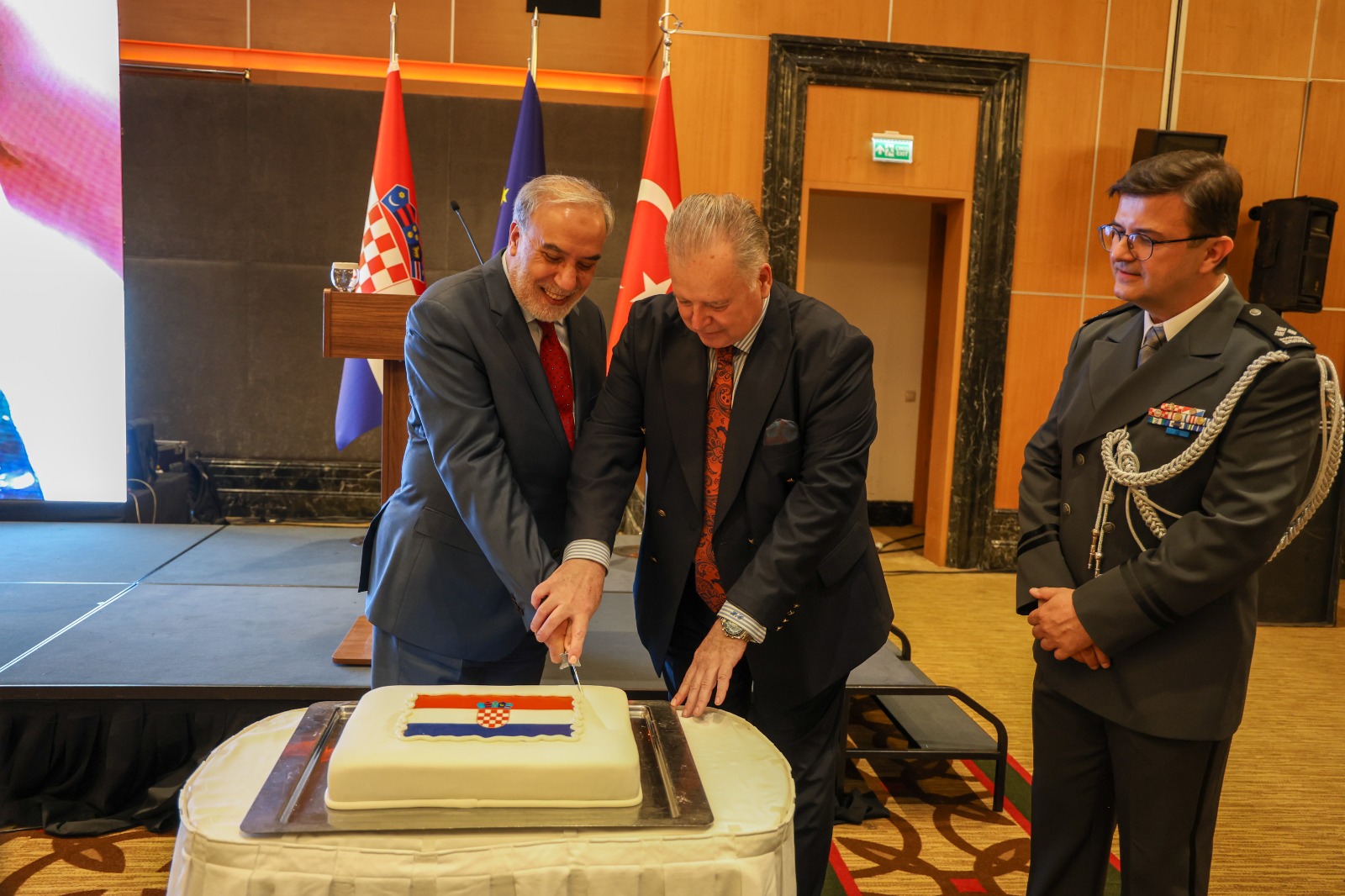
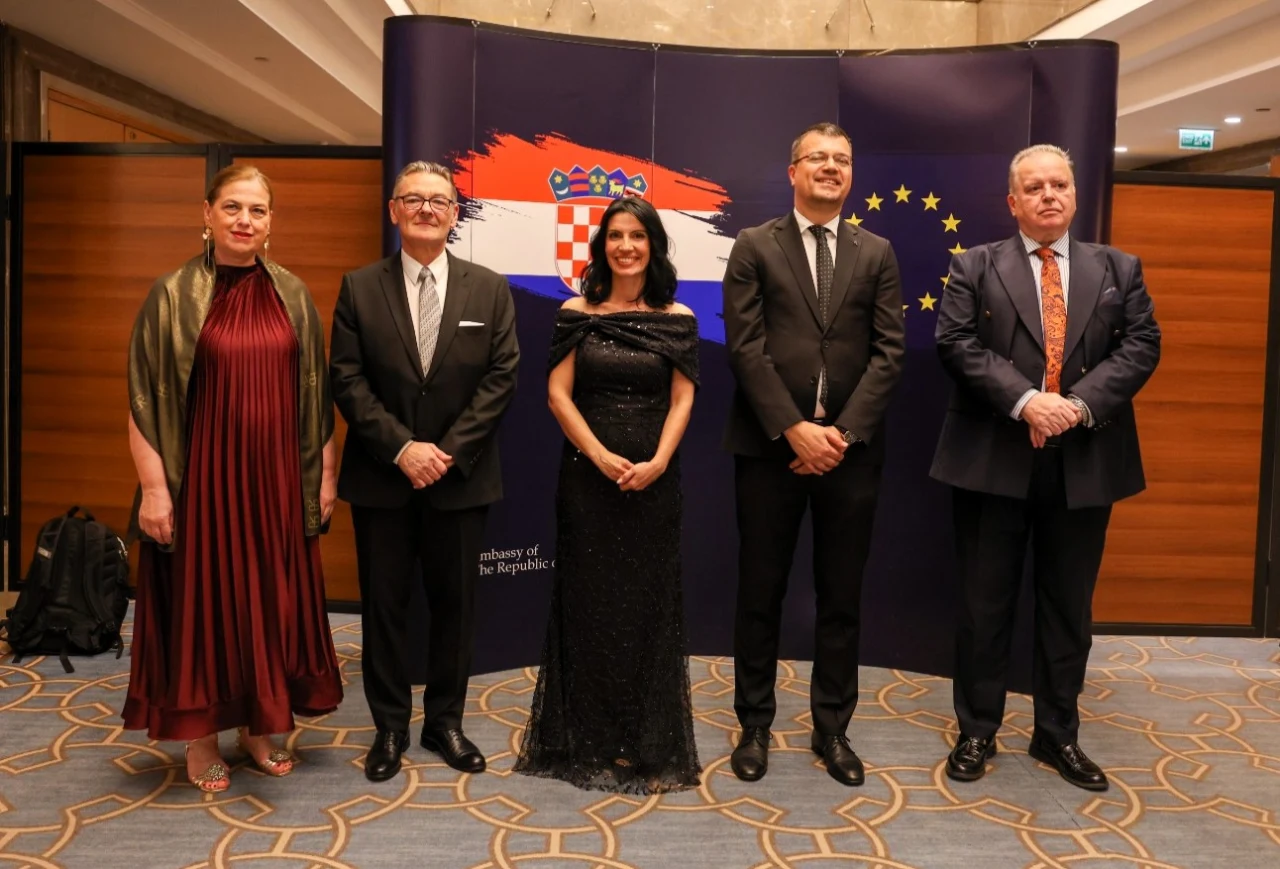
Croatia’s National Day and Armed Forces Day were marked with a reception in Ankara. Ahead of the event, Croatia’s Ambassador to Ankara Hrvoje Cvitanovic said the European Union’s visa regime has also become a disadvantage for Croatia, stressing that the country wants to attract more visitors from Türkiye at a time when global uncertainty is affecting tourism flows.
“With the situation in the Middle East becoming increasingly complicated and the Russia-Ukraine war still ongoing, we expect tourist numbers to decline and we need every visitor we can get,” Cvitanovic said. “Croatia is a tourism country. We want to welcome more tourists from Türkiye. The visa issue is creating difficulties for us as well.”
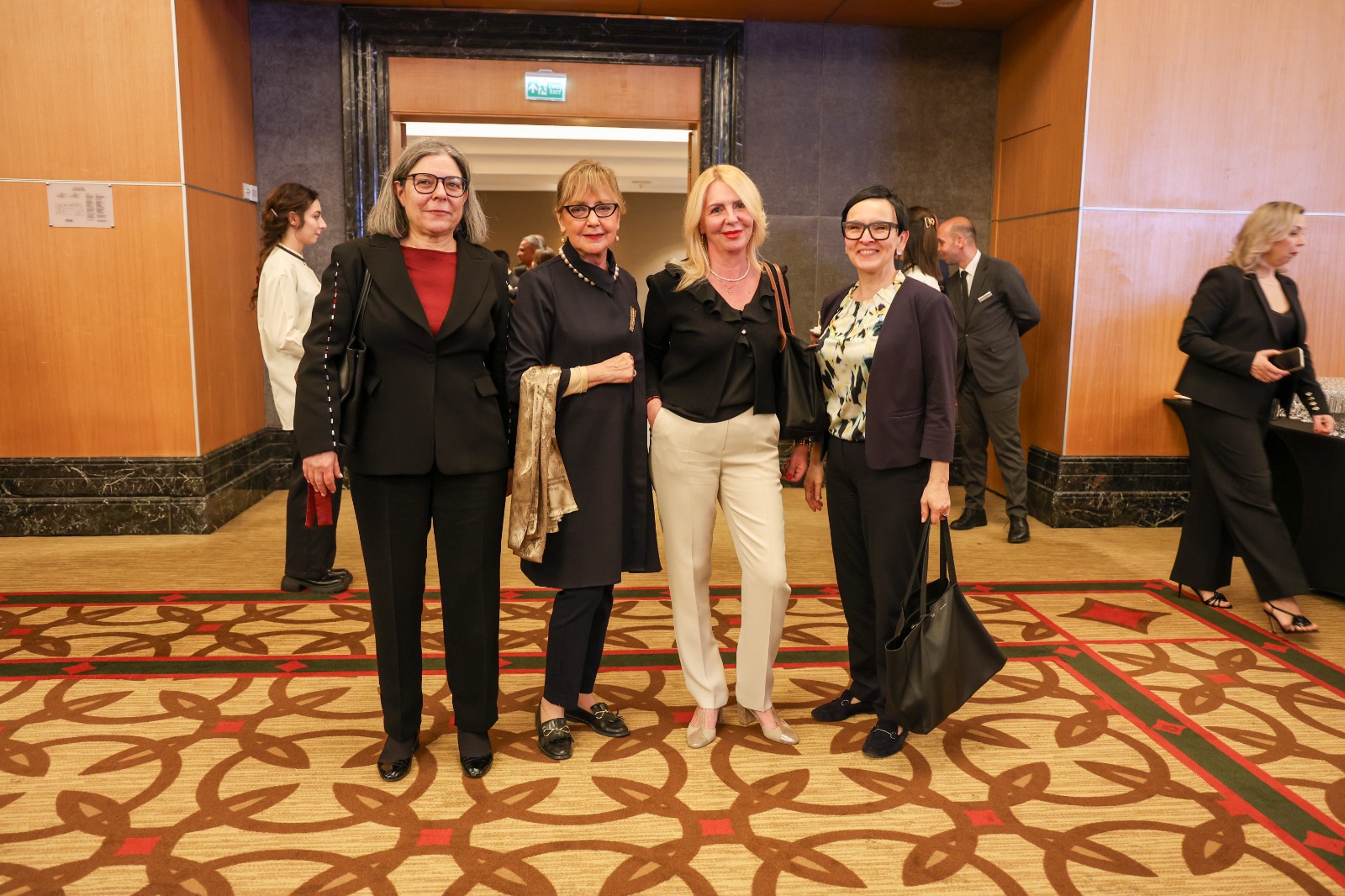
The reception, hosted by Ambassador Cvitanovic at Divan Hotel, brought together Deputy Foreign Minister Ambassador Musa Kulaklıkaya, members of the diplomatic corps, military officials, and guests.
WE STOOD BY EACH OTHER AFTER THE EARTHQUAKES
Reflecting on his eighth year in Ankara, Cvitanovic said he has witnessed major progress in bilateral relations during his time in Türkiye.
“I’m very happy to have spent such a long period here because I’ve seen many positive developments and significant progress in relations between our two countries,” he said. “Of course, we also faced difficult moments, both in Türkiye and in Croatia. I’m referring to the earthquakes that affected both countries. But during those times, it was truly meaningful to see what friendship really looks like. When Croatia was hit by an earthquake, Türkiye was among the first countries to offer help. In the same way, we tried to support the people in southeastern Türkiye as quickly as possible and help them through those difficult days.”
Cvitanovic also highlighted growing economic cooperation between the two countries, particularly in trade, connectivity, science, and defense.
“We have built strong cooperation in helping Turkish companies access European markets through Croatia,” he noted. “There are many new projects we want to develop in connectivity, scientific cooperation, and defense. Our defense cooperation, in particular, has advanced significantly in recent years. In a period shaped by security concerns, climate challenges, pollution, and growing uncertainty, this kind of partnership matters even more. I believe we have done a great deal to support one another.”
WE WILL CONTINUE TO STRONGLY SUPPORT TÜRKİYE’S EU PROCESS
Speaking about Türkiye’s European Union accession process, Cvitanovic described Croatia’s support for Türkiye’s integration as a long-standing pillar of Croatian foreign policy.
“This is one of the core principles of Croatian foreign policy and it will not change,” he said. “Croatia will continue to support Türkiye’s path toward the European Union as strongly as possible. I believe this is extremely important. At the same time, Türkiye should continue making every effort to move closer to the EU family. Personally, I believe this is the only path forward.”
WE WANT TO SEE MORE TOURISTS FROM TÜRKİYE
Addressing the visa issue, Cvitanovic underlined that Croatia, as a tourism-driven economy, is entering a period in which every tourist will count.
“You have to understand that Croatia is part of the European Union and follows EU policies,” he said. “If the EU requires a visa regime, we must comply with it. But from Croatia’s perspective, this is not an ideal situation. We are a tourism country and we want to see more visitors from Türkiye. The current system creates difficulties for us as well.”
WE NEED EVERY VISITOR
Cvitanovic said rising geopolitical tensions and increasing travel costs are becoming serious challenges for the tourism sector across Europe.
“With instability in the Middle East and the continuation of the Russia-Ukraine war, we believe tourist numbers may decline and that means every visitor matters,” he said. “Travel is in the interest of both Croatia and Türkiye. We need to take more determined steps to address this issue because tourism is gradually turning into a major challenge. Fuel prices are rising, and we have also seen increases in aviation and kerosene costs in recent days. All of this will inevitably affect tourist numbers. We cannot afford to ignore this reality.”