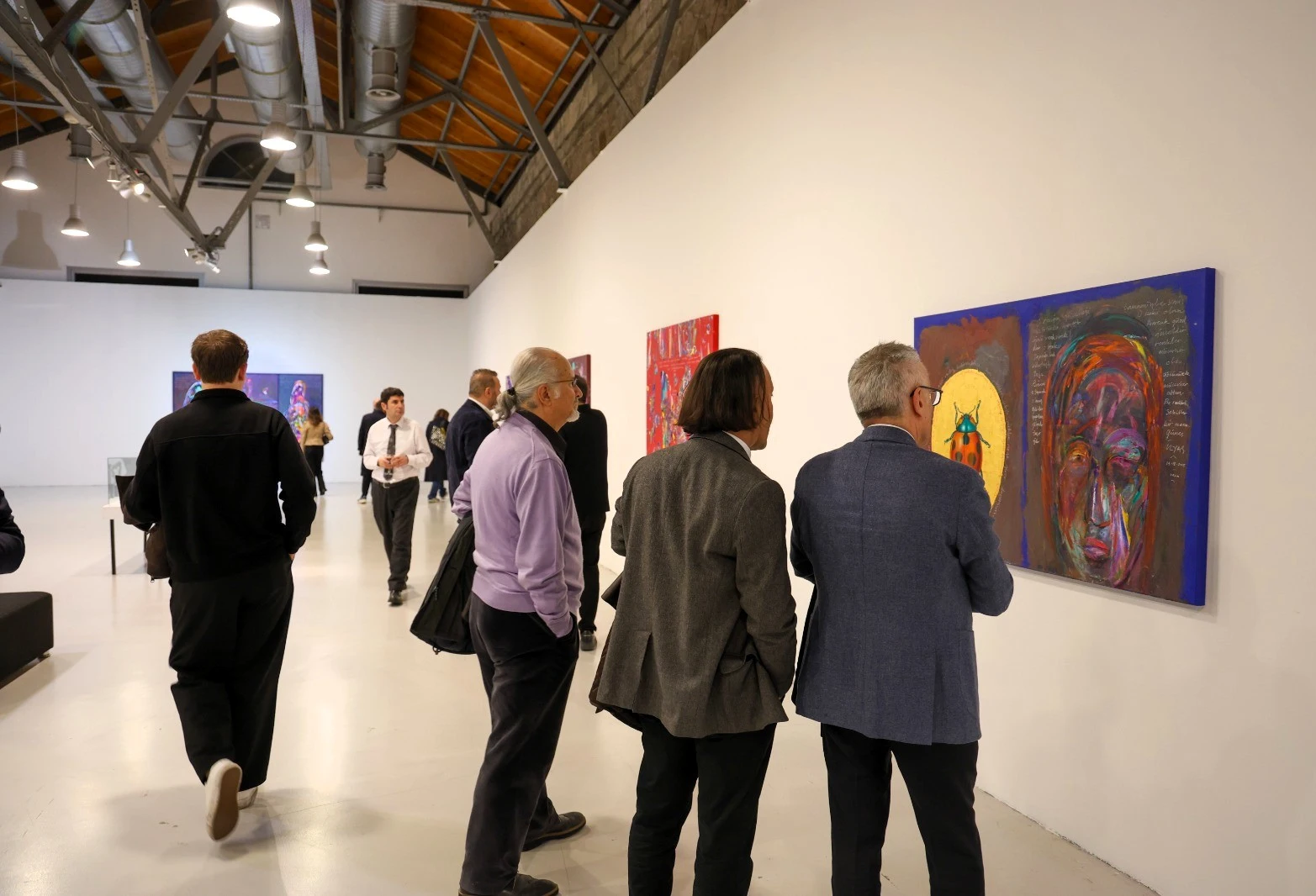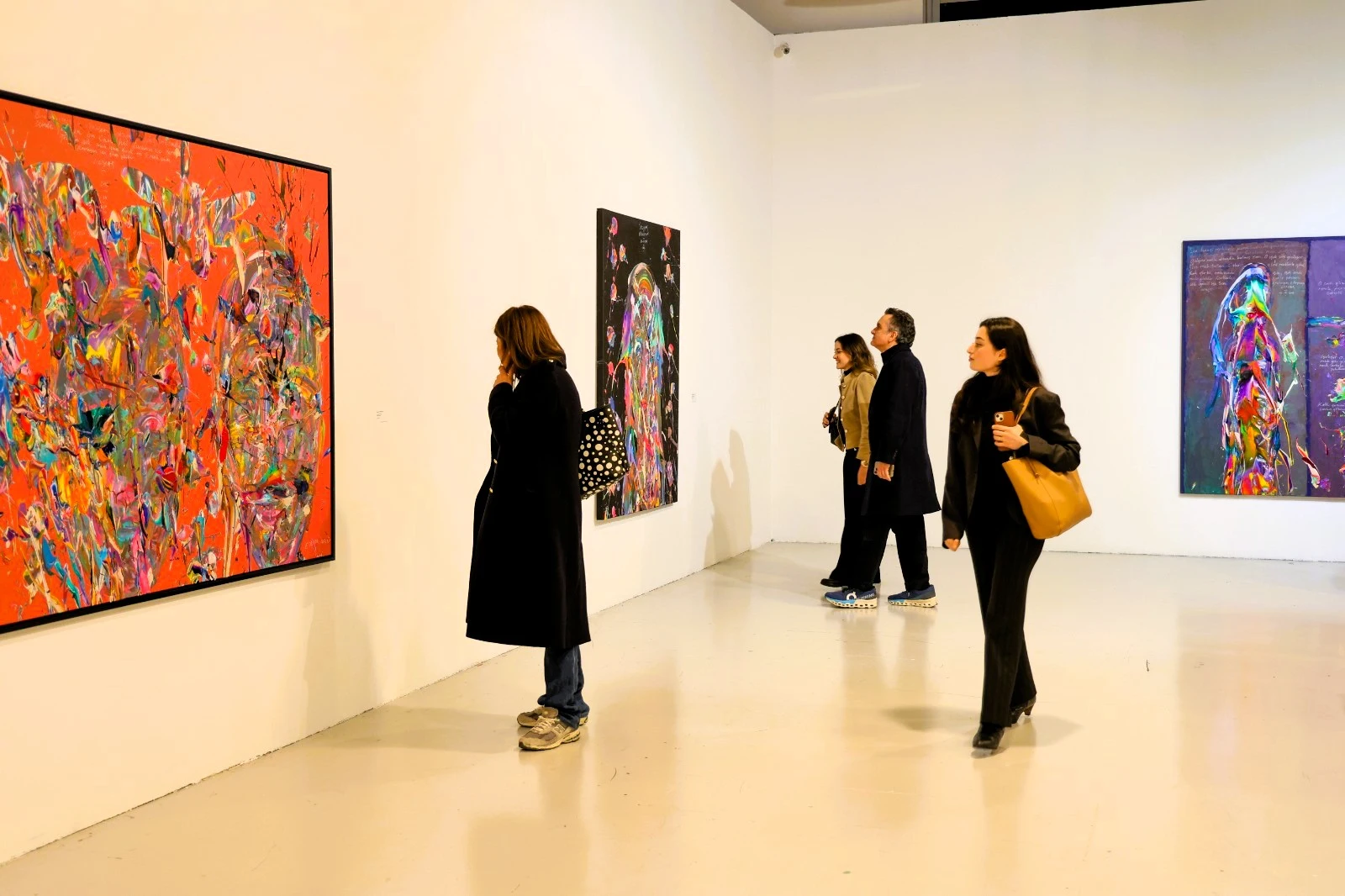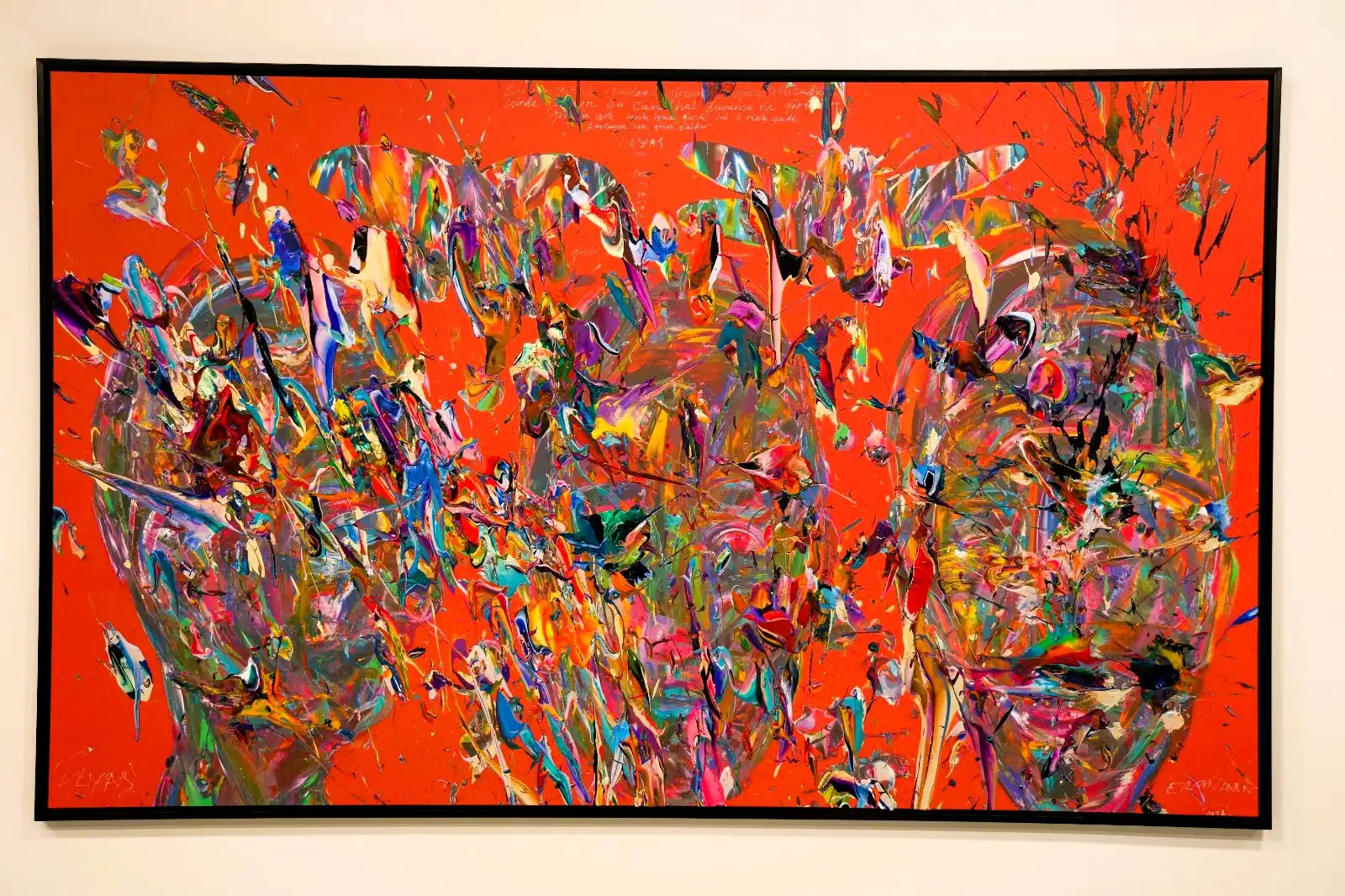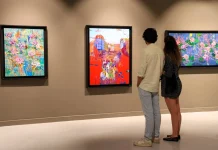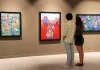
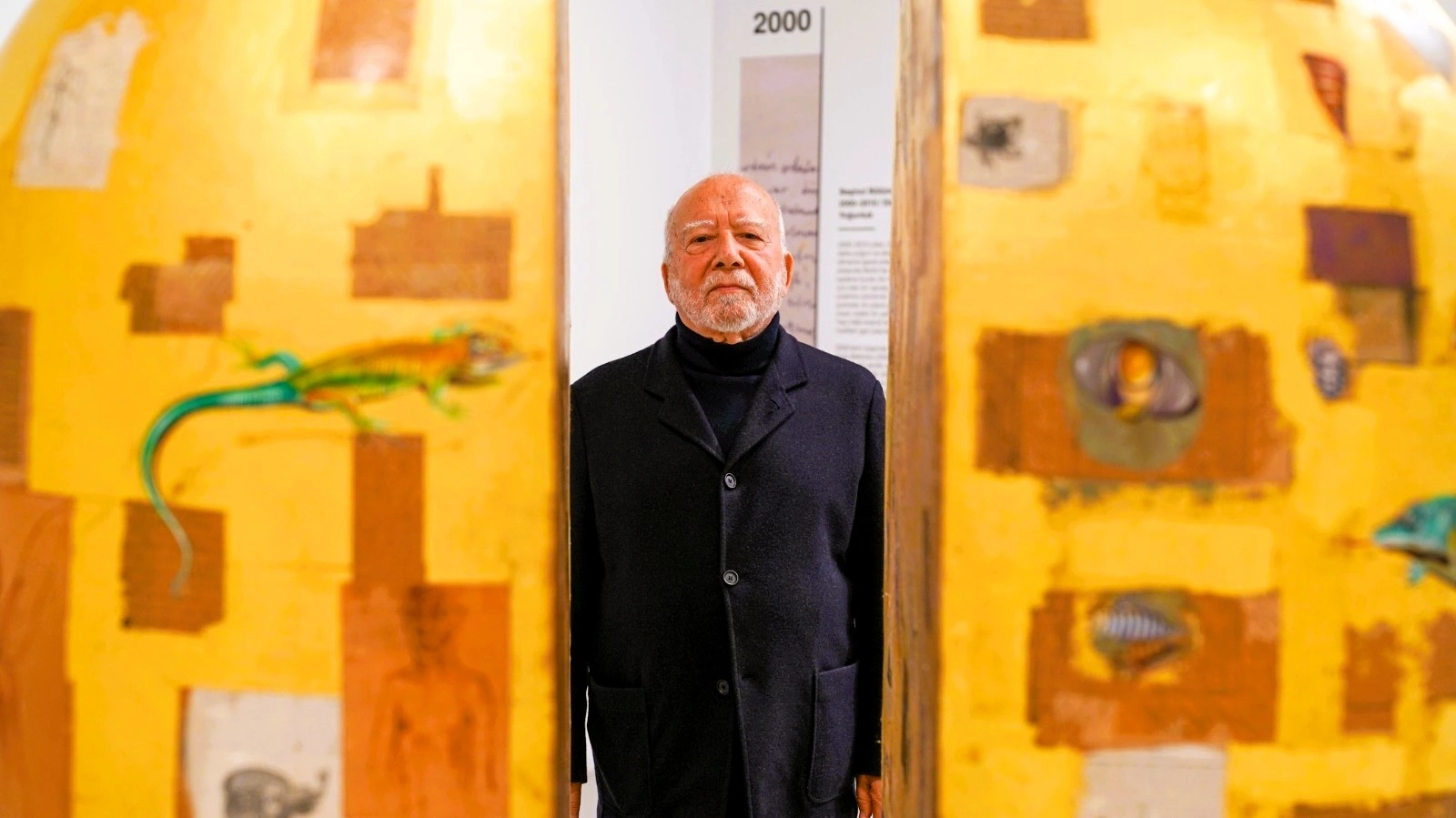
The master artist Ergin İnan, 83, has brought together works spanning six decades in Between Time and Traces, now on view at CerModern in Ankara. Speaking at the opening, İnan described a daily discipline that has barely changed over the years. “Believe me, I work every single day. I think I owe the fact that my body is still strong and that I can still bend and get up to this. I cannot stay still anyway. I sit down at the edge of the table in my bedroom, and I keep working. When I feel sleepy, that is when I throw myself into bed,” he said.
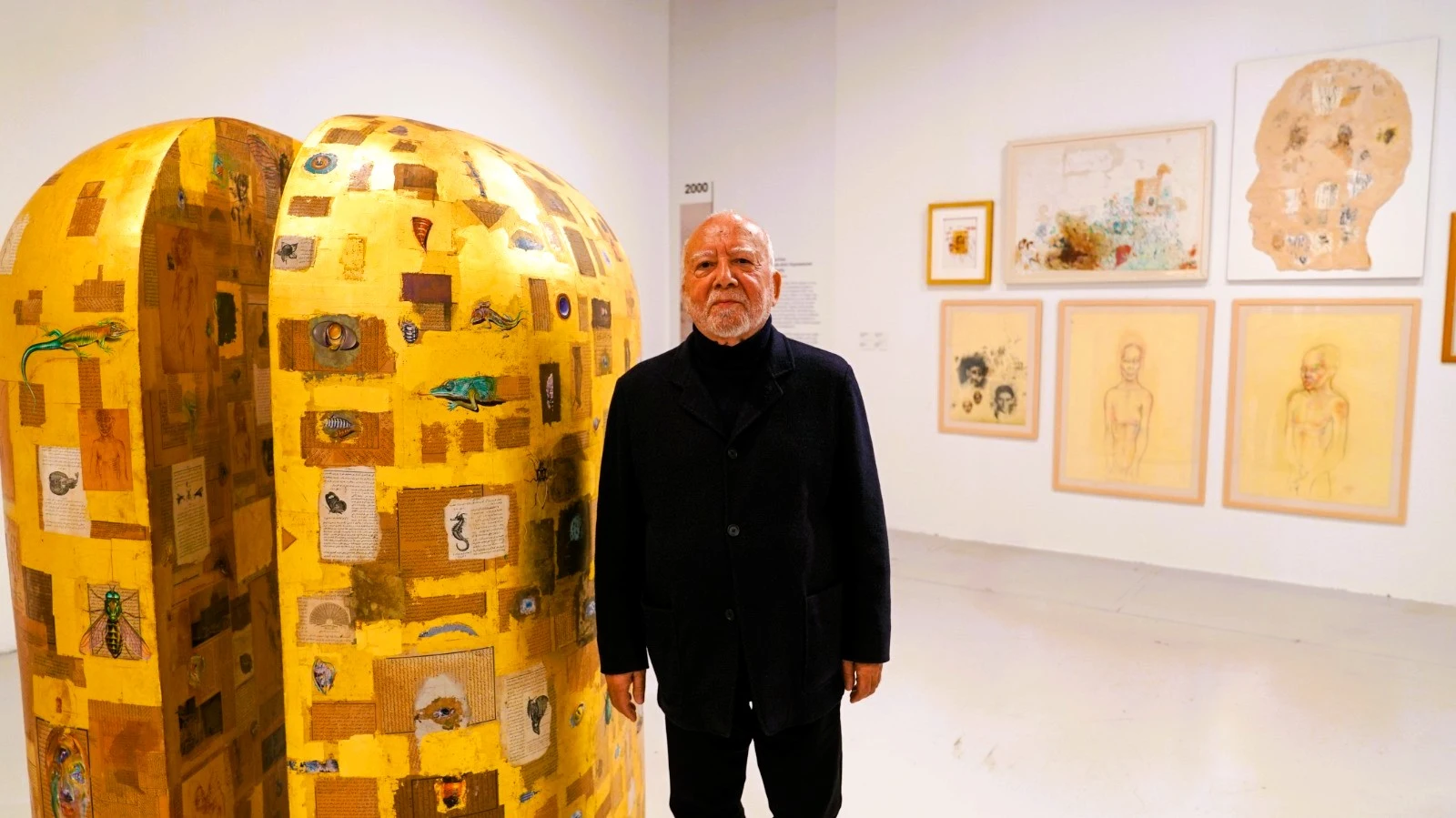
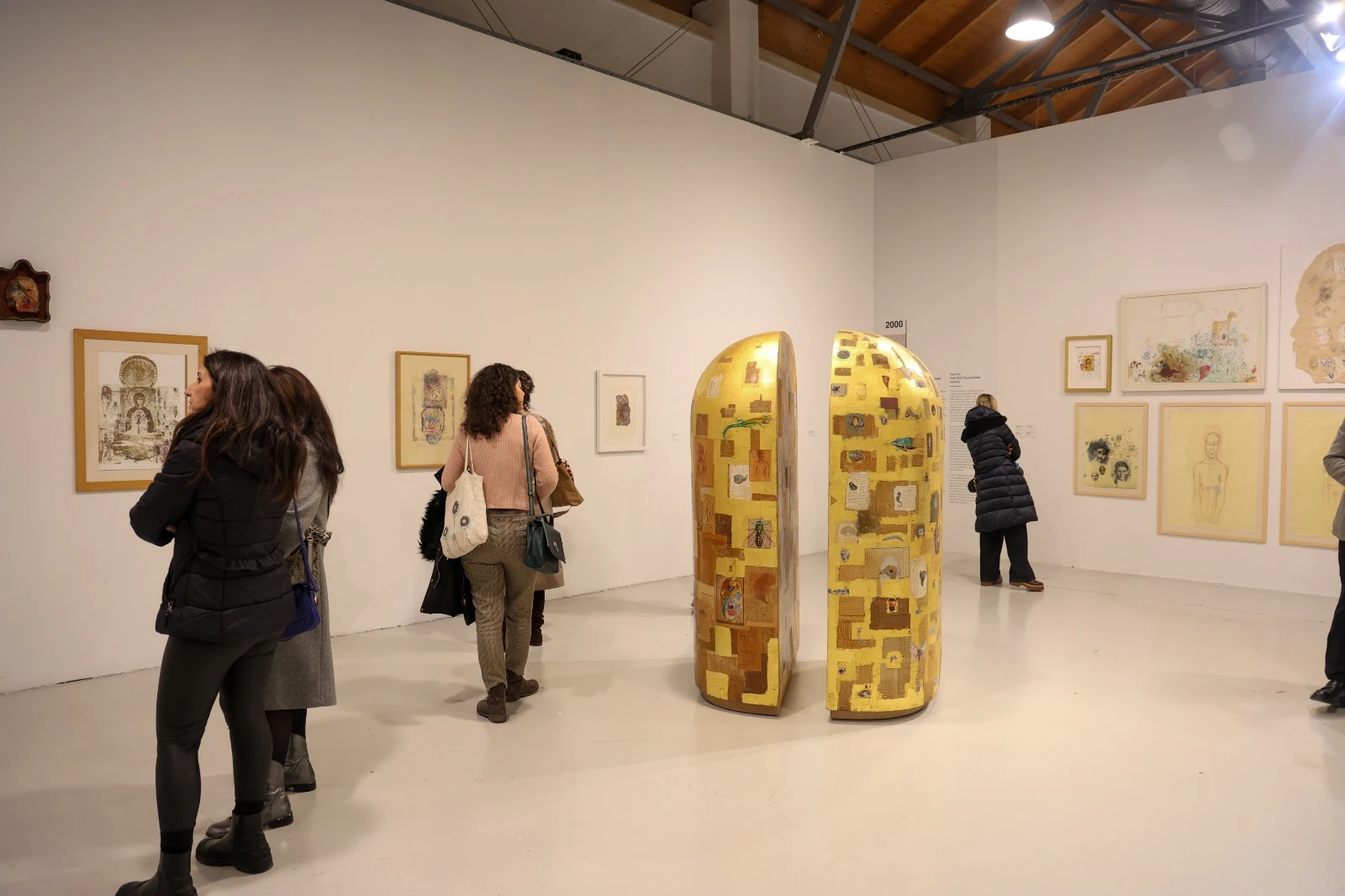
The exhibition draws from İnan’s production from 1964, when he began his studies at the Faculty of Fine Arts, to the present. Curated by Marcus Graf, the show is structured as a retrospective, though the artist is careful with the definition. “I wanted to bring together all the paintings I have made from the past to the present and create a retrospective that embraces all of them. But rather than a fully large-scale retrospective, this became an exhibition on a more limited scale, made up of the works I still have. It is a retrospective designed more to bring together and show my past time and what I did during those periods. So it became a small retrospective exhibition,” İnan said.
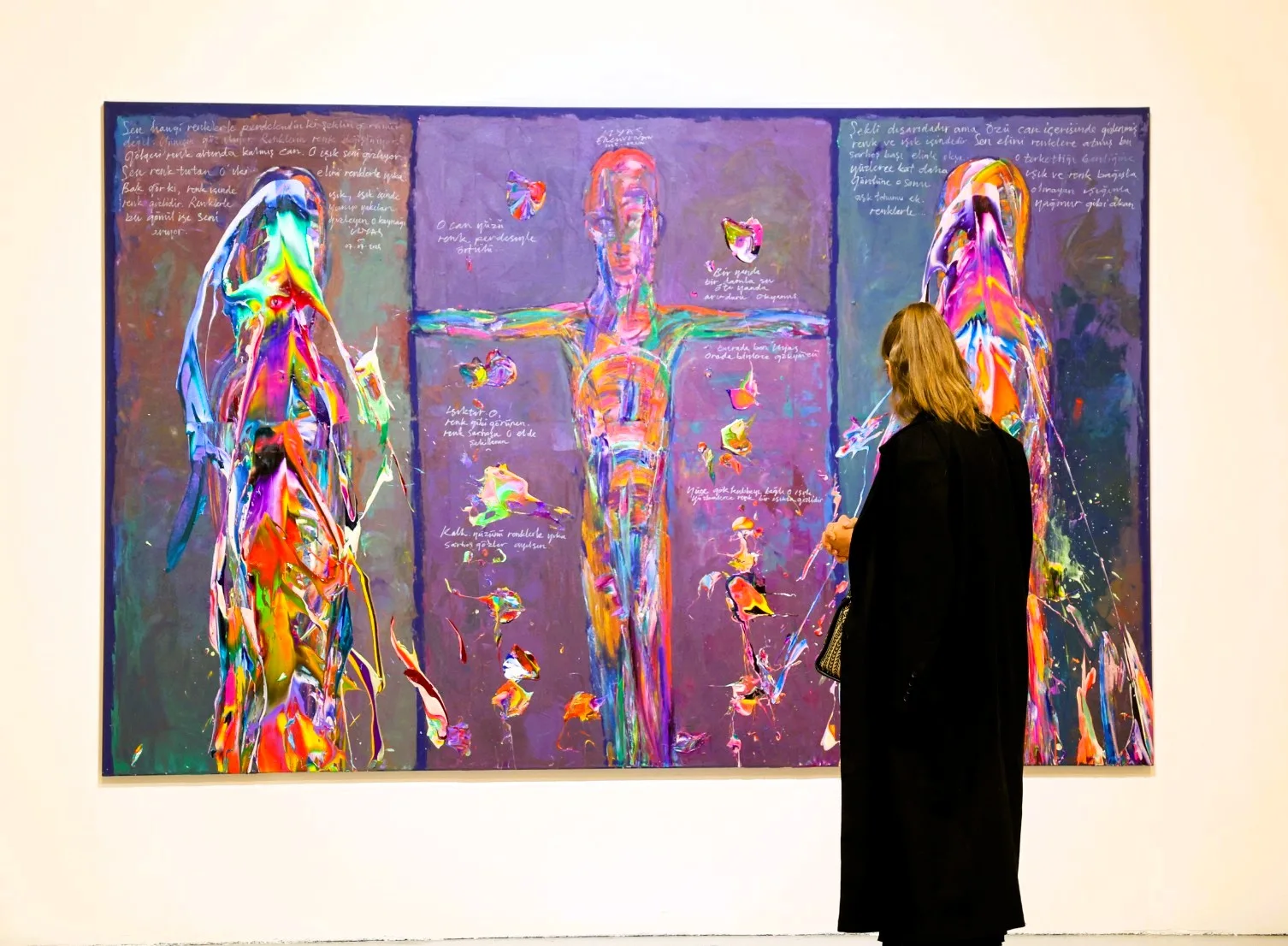
In the galleries, the selection moves from early works, including pieces produced during his four years of university education, to the acrylic paintings he has made in recent years. Yet İnan does not frame the journey as a straightforward artistic “development.” He describes it as something subtler, shaped less by life events than by the deepening effect of reading and reflection.
YOU GROW DEEPER THROUGH WHAT YOU READ
“In fact, you do not experience a great change within yourself. You preserve your own personality. That personality grows deeper through what you read, what you think, and what you feel. As it deepens, you find a new language. This can be color, or it can be form. Forms sometimes appear in different ways in different periods. For that reason, I do not see this as a process of development. I think of it more as a process of change. Things change. You think of new forms, new shapes,” he said.
For İnan, the books and voices he returns to can become a visual vocabulary. “For example, when you read Mevlana a lot for a period, when you read the Masnavi a lot, you start doing things with the words in the Masnavi, you make paintings and express them. Then other periods come, shaped by what you read,” he said.
He recalled how that same impulse shaped past exhibitions. “For instance, I once created an exhibition where I devoted a special time to Kafka and interpreted him. Years ago, I had exhibitions in Berlin. I also held an exhibition in Berlin for Mevlana and the Masnavi. And I made exhibitions of homage as well. So of course, you grow deeper through what you read,” İnan said.
THE IMPORTANCE OF COLOR AND LIGHT
Asked about the stronger presence of color in his more recent work, İnan linked it directly to what he calls an enduring affection for light. “The reason is my love for color, my love for light. Truly so. When I think about it deeply, I always think about the importance of light and color. They are a very important element of creation. I see them as a power of expression given to us,” he said.
He added that the force behind his practice has not been so much what he has lived through as what he has read and contemplated. “What I live does not matter that much to me. What I read and the times when I sink into deep thoughts on my own are more important. The other side, what I live, feels a bit like a game to me,” İnan said.
HE PAINTS EIGHT HOURS A DAY
Despite his age, İnan said he still paints actively for roughly eight hours a day, keeping to a routine that begins soon after breakfast. “After having breakfast at 9:30 in the morning, I get to work. I definitely start working at 10:00. I finish around 6:00 or 6:30 in the evening. But even then, I do not stop,” he said. “I cannot stay still anyway. I sit down at the edge of the table in my bedroom, and I keep working. When I feel sleepy, that is when I throw myself into bed.”