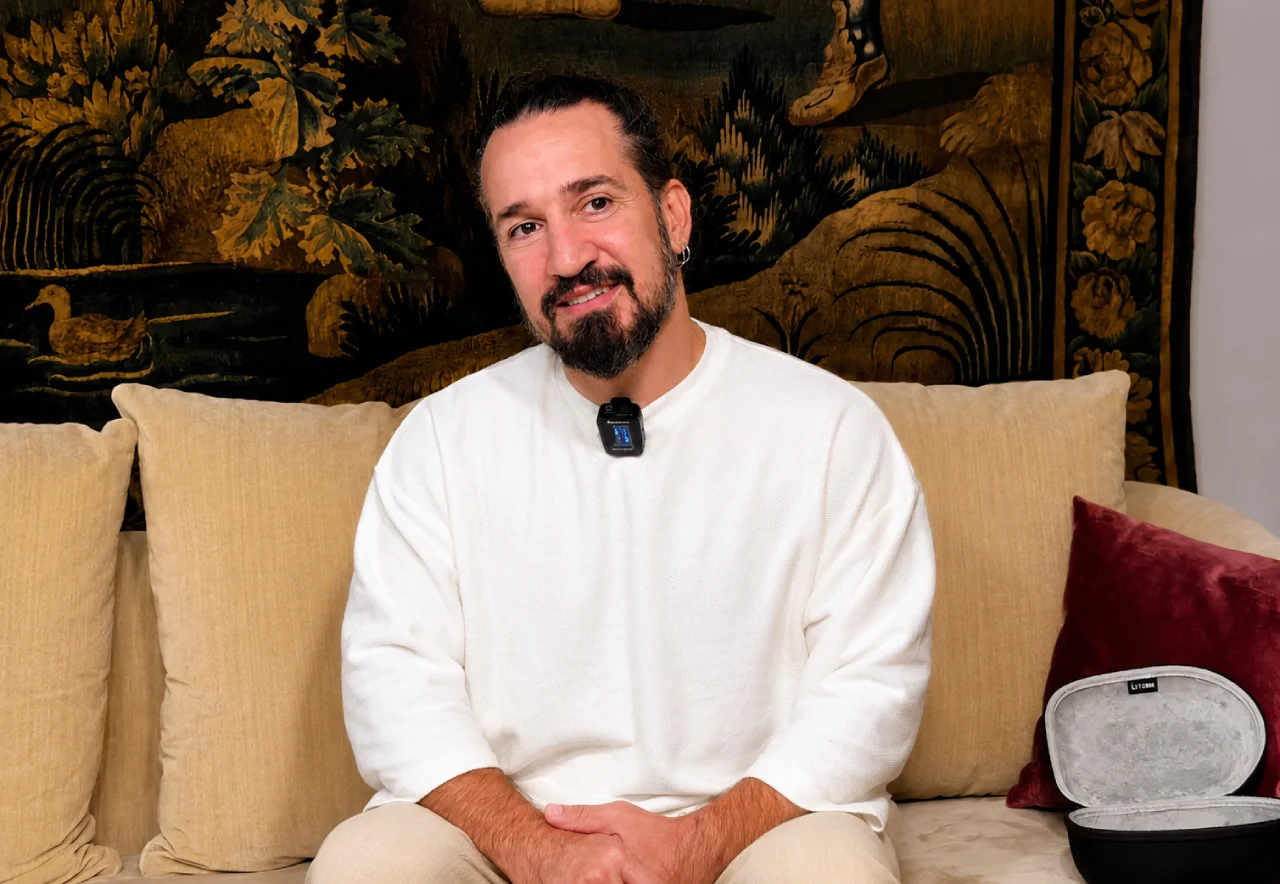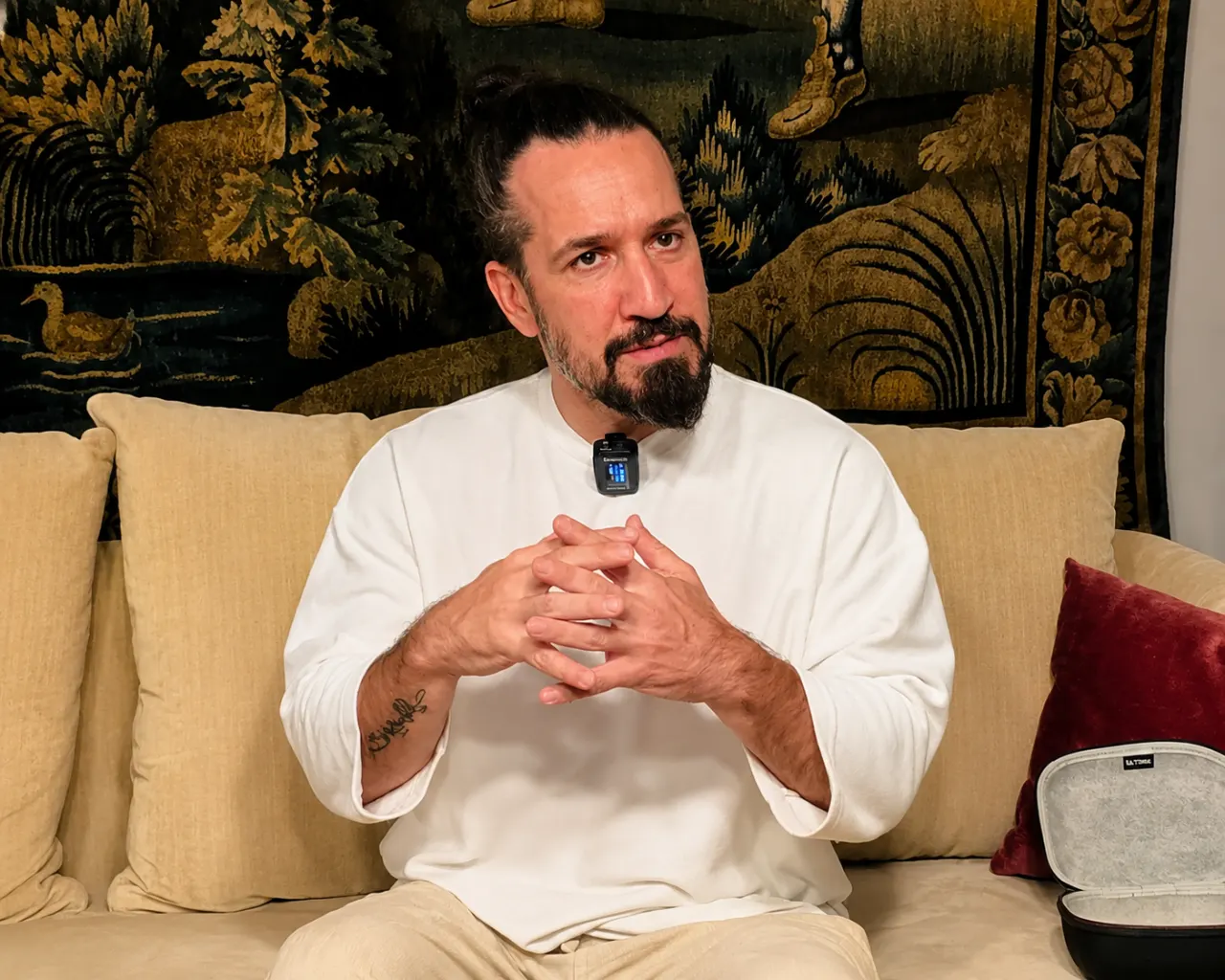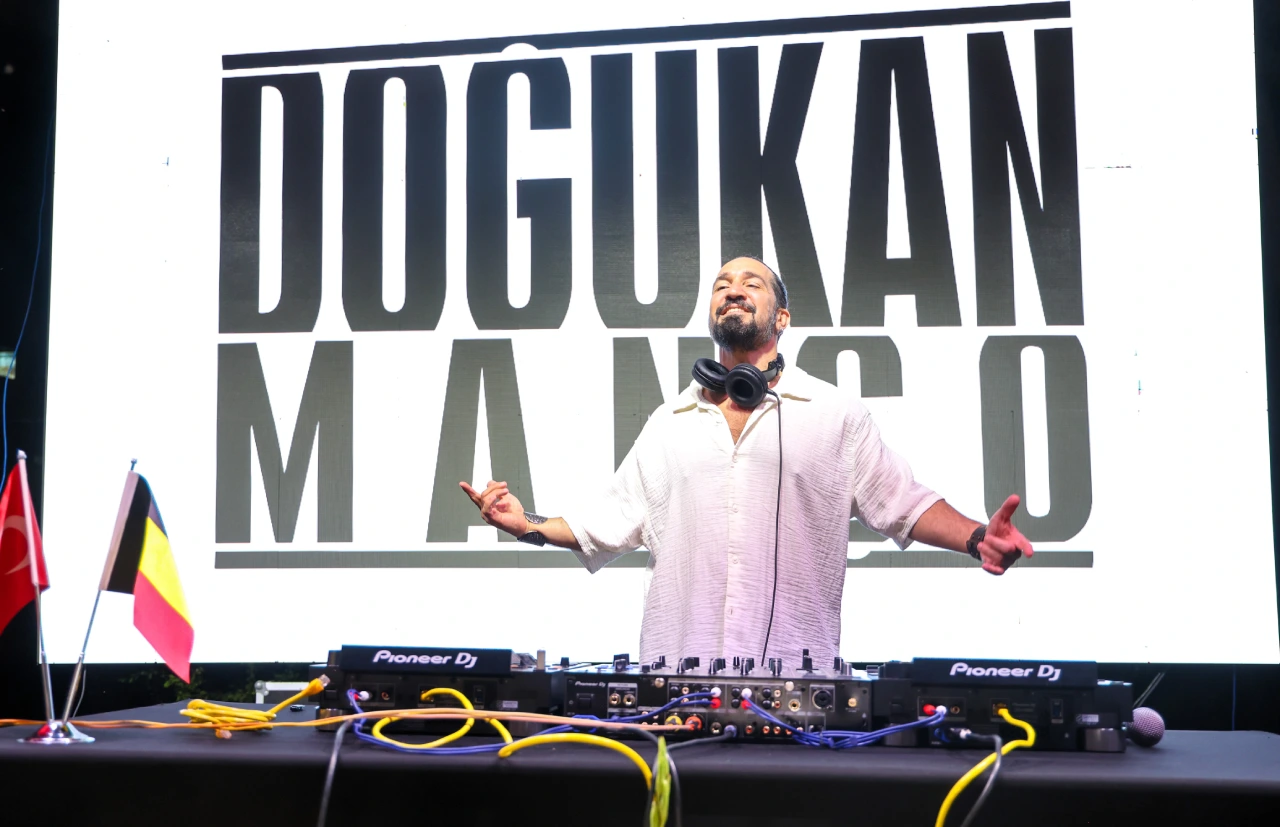
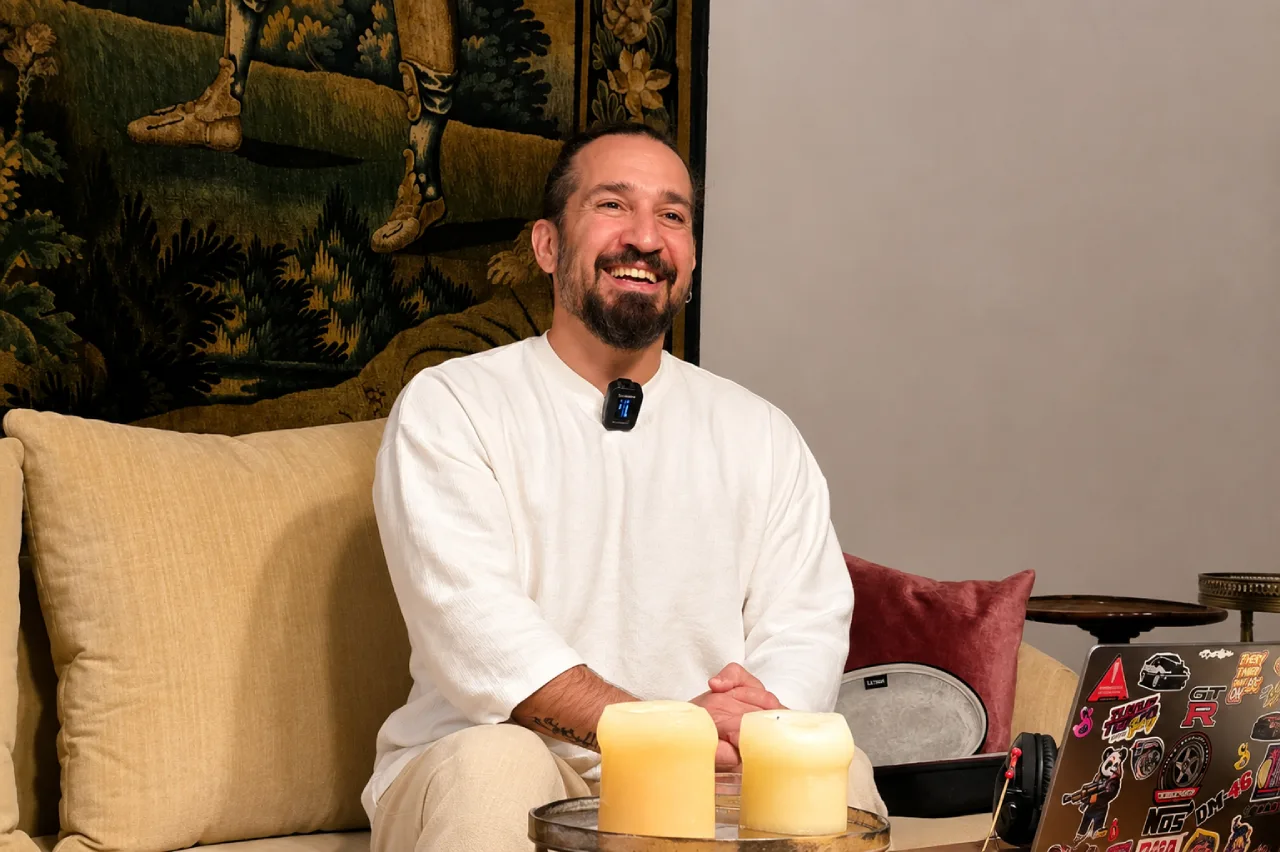
Doğukan Manço, who continues his music career as a DJ and arranger, said that carrying the “Manço” surname has not always been an advantage for him and has sometimes placed a heavy responsibility on his shoulders.
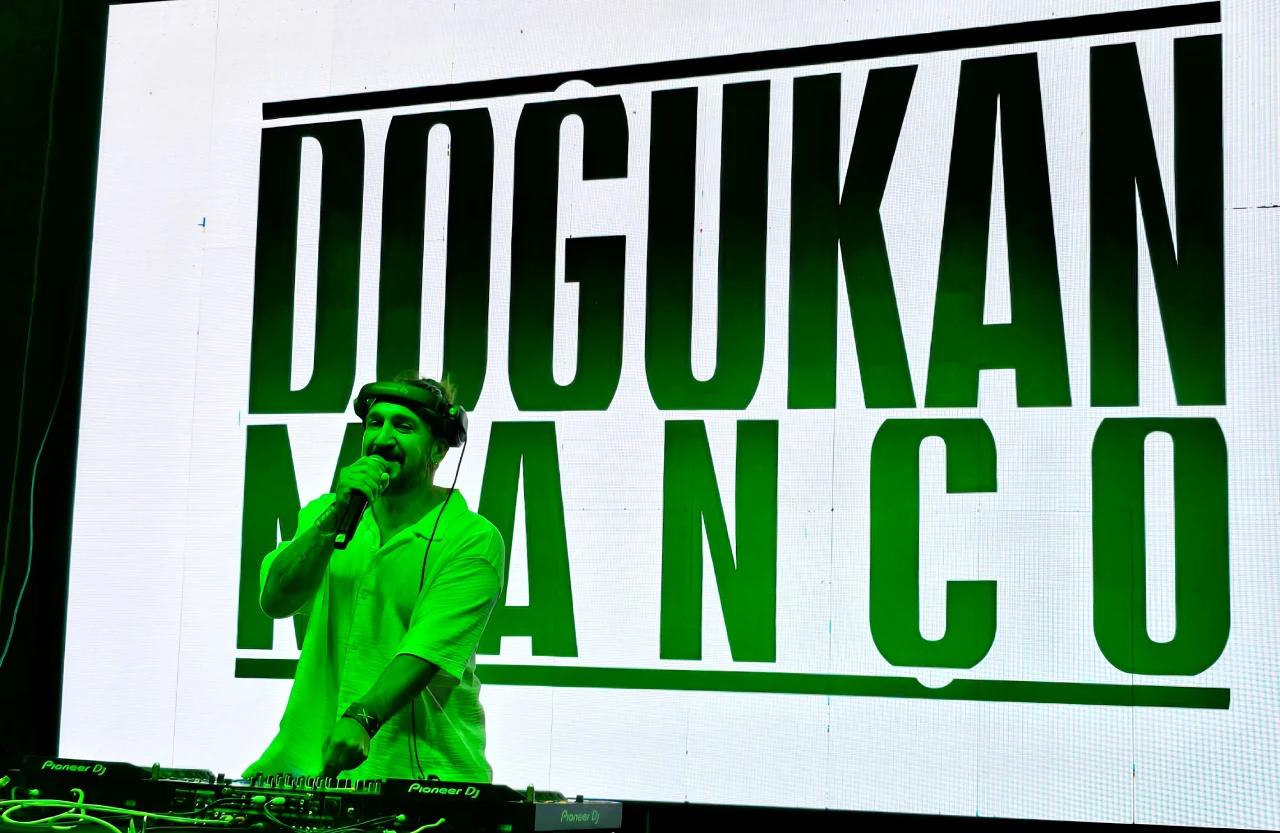
Saying that his father Barış Manço’s music has inspired him, Manço said, “I cannot act entirely on my emotions. I have to stop and think and use logic. I do this because of the weight of the name I carry. Sometimes it helps me, and sometimes it holds me back.”
Emphasising that Barış Manço’s works have gained even greater meaning over the years, Doğukan Manço said, “For example, ‘Halil İbrahim Sofrası’ is a song that is highly relevant today. It is about rights, law and justice.”
Describing Barış Manço’s music as the greatest reference point in his own career, Doğukan Manço said that he follows his father’s approach to work when producing music.
Manço said that he has always been cautious about reinterpreting Barış Manço’s works, but recent developments have led him to think differently about the matter.
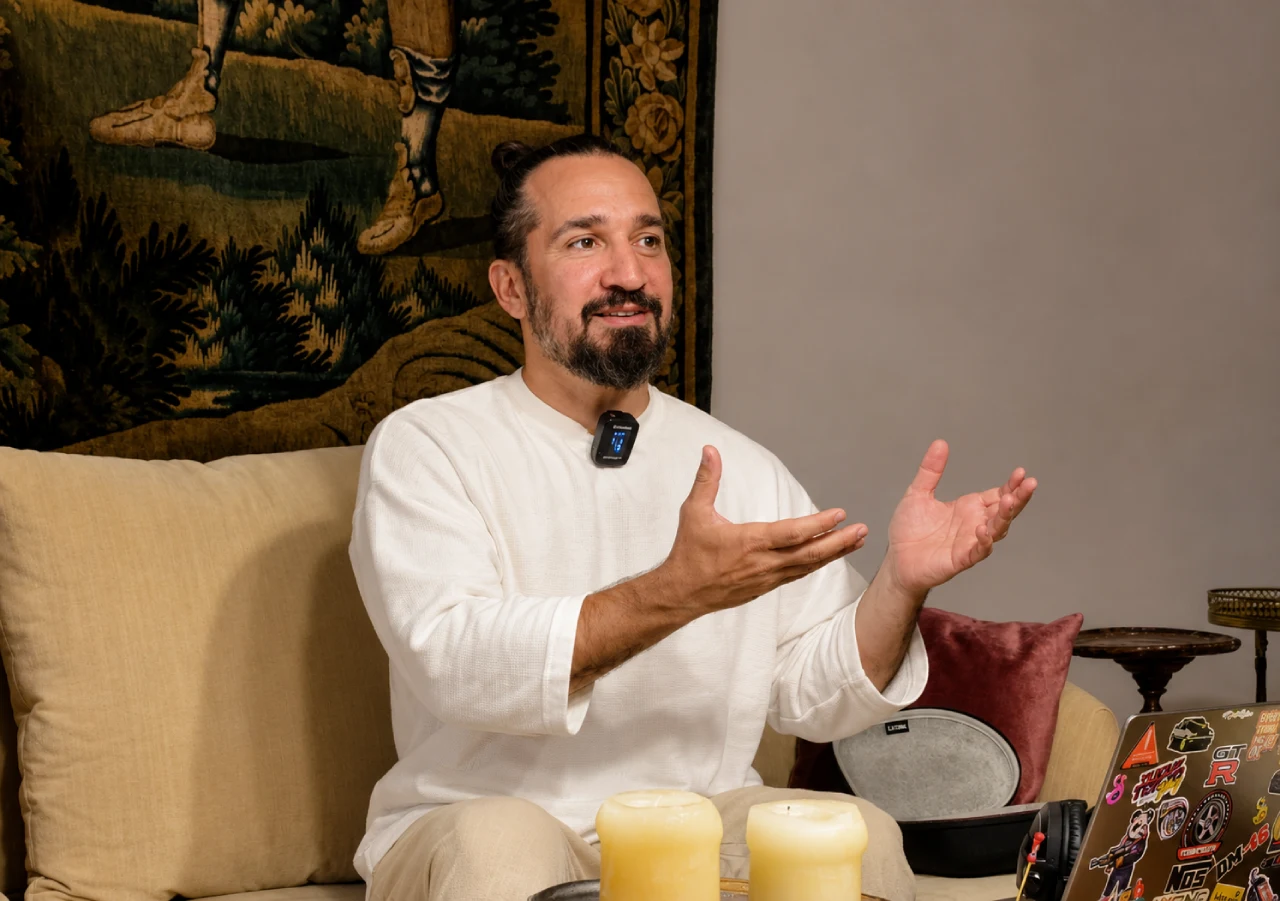
“Normally, I do not touch Barış Manço’s songs very much. I prefer to pursue my own career. However, the public agenda has reached such a point that certain projects remind you of the values you already have,” Manço said, adding that he aims to bring his father’s works to younger generations through new arrangements.
Saying that he wants his projects to lead young people towards Barış Manço’s original recordings, Manço said, “I think that after listening to these arrangements, people will wonder, ‘What does the original sound like?’ and rediscover that treasure. Generations are changing. Young people know Barış Manço, but they do not know him in as much detail as previous generations did.”
Barış Manço is an important bridge between Türkiye and Belgium
Emphasising that Barış Manço is an important figure not only in the world of music but also in terms of cultural relations between Türkiye and Belgium, Doğukan Manço said that he sees preserving this legacy as his duty.
“Barış Manço is a very important bridge between Türkiye and Belgium. We were already carrying out various projects to keep that bridge alive. From now on, I will continue these efforts on a larger scale,” Manço said.
I became one of Türkiye’s youngest rappers
Doğukan Manço also said that he entered the music studio with his father as a child and took part in one of Türkiye’s earliest rap experiments.
Recalling that he performed the rap section of the song ‘Ayı’, released in 1992, Manço said, “My father had me rap on that track. I am the one who says, ‘Yes, daddy, that is what they call a bear.’ That made me one of Türkiye’s youngest rappers.”
Manço said that he also had his first and last stage experience during the same period, when he appeared on stage with his father in Stuttgart.
Saying that being beside a world-renowned artist made him extremely nervous, Manço said, “I was very shy. When you have such a giant name beside you, you cannot act with the same confidence. That is why I preferred to remain in the background. I still like being in the background in music today. I do not sing; I am on the side that gets others to sing and arranges the music.”
The more we listen to the songs, the better we understand what he was saying
Saying that Barış Manço’s works are powerful not only because of their melodies but also because of the messages they contain, Doğukan Manço said that people have come to understand the value of these songs better over the years.
“Barış Manço wove Turkish culture into his songs, stitch by stitch, and reminded society of it once again. We all listen to these works with great pleasure, but when we listen to them thoughtfully, we say, ‘Wait a minute, what was this man saying?’ That is when people begin to say, ‘We failed to appreciate this man,’” Manço said.
Saying that his favourite Barış Manço song can change depending on the current agenda, Manço drew attention to the powerful messages that some of the works carry about the present day and said, “‘Kara Sevda’ may be my favourite today, but another song may stand out tomorrow. For example, ‘Halil İbrahim Sofrası’ speaks of rights, law and justice today. ‘Kazma’, ‘Ali Yazar Veli Bozar’ and ‘Ahmet Bey’in Ceketi’ also take on different meanings in today’s Türkiye. Of course, ‘Gülpembe’, ‘Unutamadım’ and ‘Dağlar Dağlar’ will always be legendary works. But some songs tell you completely different things depending on the circumstances of the day.”
Belgium was where our family could breathe
Describing Belgium as a very special place for his family during his childhood, Doğukan Manço said that his father could not live his private life comfortably in Türkiye because of the intense public attention he received.
Saying that Belgium was almost a refuge for Barış Manço, Manço said, “My father lived his life as an artist in Türkiye, whereas in Belgium he could live his life as a human being. He could walk through the streets much more comfortably there and live his daily life freely.”
Saying that the family spent most of their holidays in Belgium, Manço concluded, “As a family, we preferred Belgium because we could go out with peace of mind and spend more time with one another there. In Türkiye, my father’s intense schedule did not give us much opportunity to do that. For this reason, Belgium was almost an escape for us; it was a special place where we could live our family life comfortably.”