CEBECİ ASRİ CEMETERY
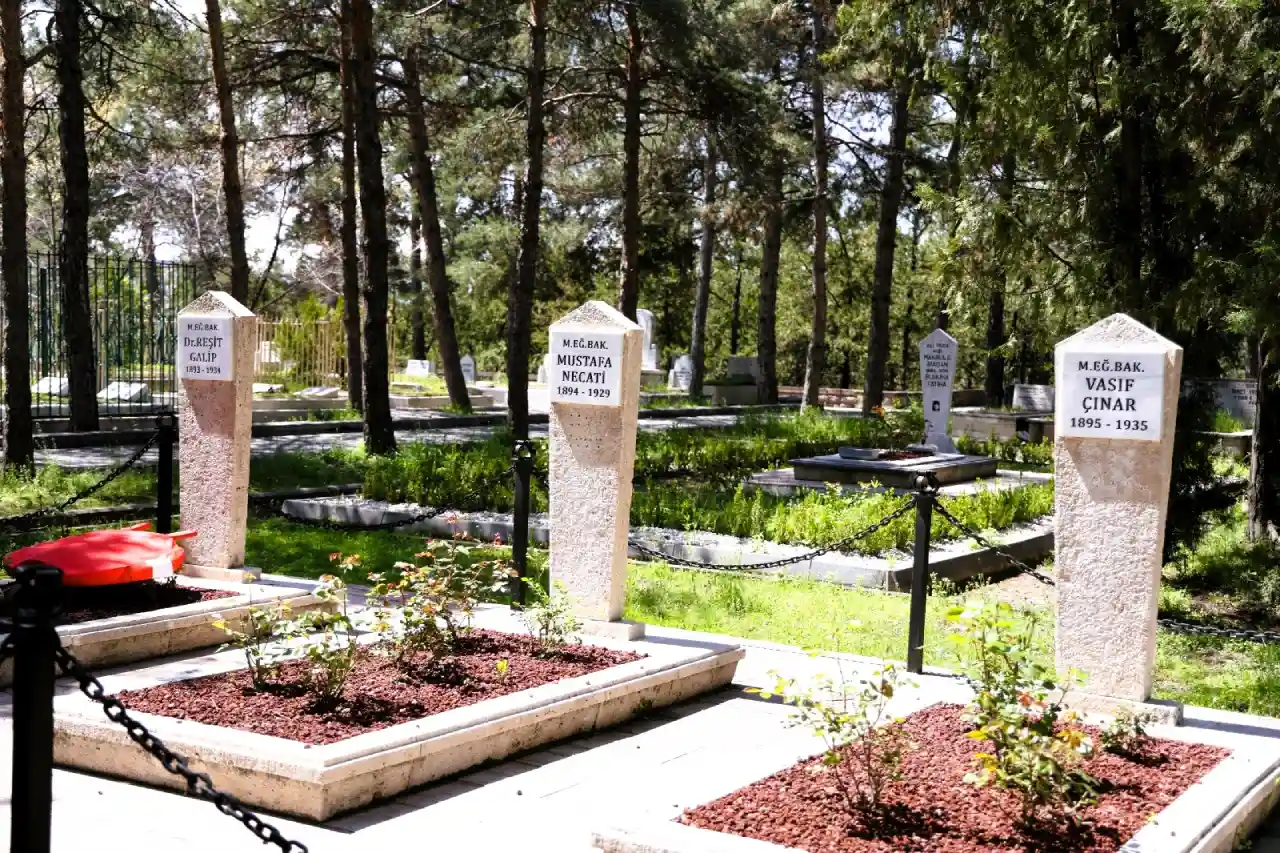
In Ankara, Cebeci Asri Cemetery is far more than a burial ground. With its layered history, distinctive design, and the figures it brings together, it stands as one of Türkiye’s most powerful sites of collective memory, reflecting the story of the Republic itself.
Designed by German architect Martin Elsaesser after an international competition, the cemetery is the resting place of many prominent names. Among them are Mehmet Emin Resulzade, founder and first president of the Azerbaijan Democratic Republic, former Ankara Mayor Vedat Dalokay, Governor Nevzat Tandoğan, aviation pioneer Vecihi Hürkuş, historian Afet İnan, poets Cahit Sıtkı Tarancı and Ahmet Arif, journalists Uğur Mumcu and Mahmut Tali Öngören, and theatre actor Kerim Afşar.
A LIVING MEMORY SITE
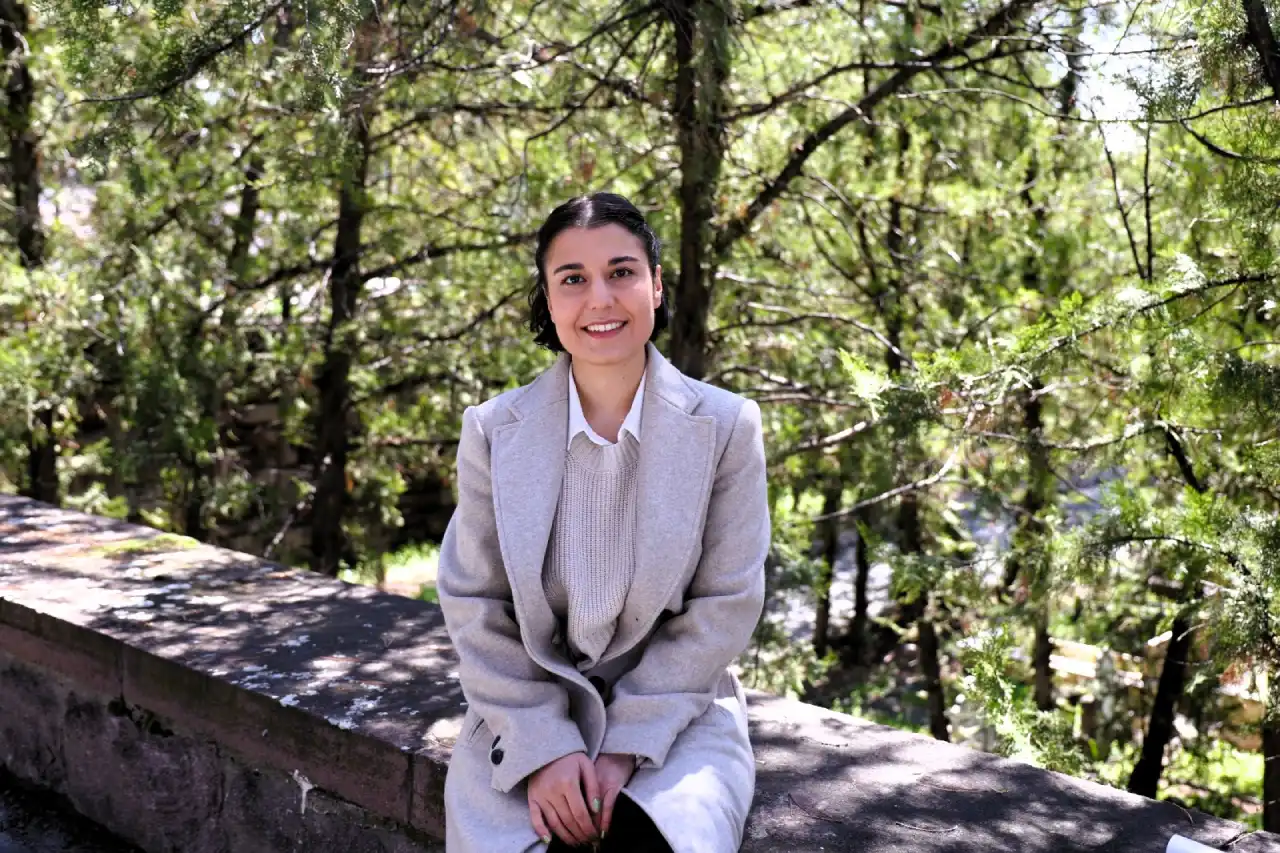
Elif Kabakuşak, a doctoral researcher at the Middle East Technical University’s Faculty of Architecture, who studied the cemetery in her thesis on modern burial sites as heritage spaces, describes Cebeci Asri as more than a local landmark. In her view, it functions as a memory site not only for Ankara but for the Republic as a whole.
She notes that different layers of Türkiye’s modern history can be traced here. Figures from politics, business, culture and beyond share the same ground, creating what she defines as a multi-layered space where both ordinary citizens and defining figures of the Republic coexist.
THREE DISTINCT MARTYRS’ SECTIONS
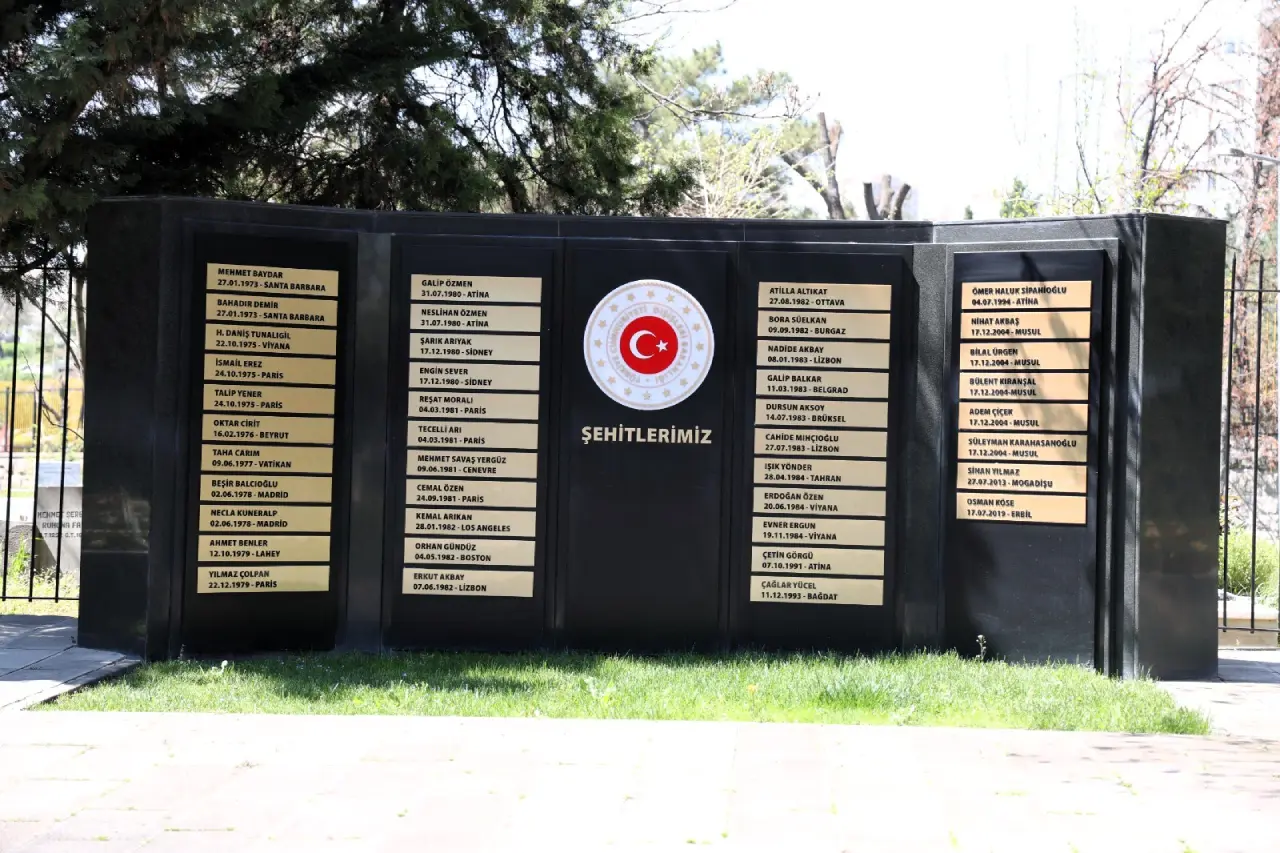
The cemetery also carries direct traces of key historical events. Kabakuşak points to three separate martyrs’ sections within the site: one for fallen police officers, one dedicated largely to diplomats killed by ASALA and other terrorist groups, and another commemorating those who died in the 1963 Ulus plane crash.
A CEMETERY DESIGNED, NOT EVOLVED
What sets Cebeci Asri apart is that it was planned from the outset. Following the founding of the Republic, Ankara’s need for a modern cemetery led to an international design competition.
Kabakuşak notes that even holding such a competition for a cemetery reflects a forward-looking approach. The original brief included public squares, water features, pools and even a crematorium, shaped by the multicultural fabric of early Republican Türkiye. Jewish and Christian sections were incorporated into the design, reflecting a society where different communities lived side by side.
The site was conceived not only as a place of burial but also as a public space. Wide pathways and a garden-like layout were intended to create a calm environment where visitors could spend time. The aim was clear: to move away from the idea of cemeteries as purely somber, inaccessible places and reimagine them as spaces shared by the living.
NO HIERARCHY BY DESIGN
The design also deliberately avoids hierarchy. No individual was meant to be privileged in burial placement. Aside from family plots arranged around certain squares, the cemetery was intended as an equal and public space for all.
This approach continued until the 1970s, when the cemetery reached capacity. Karşıyaka Cemetery was then opened, and new burials at Cebeci were largely halted. Today, interments are limited, mostly within existing family plots or previously allocated spaces, and daily burial numbers remain low.
MODESTY AS A DESIGN LANGUAGE
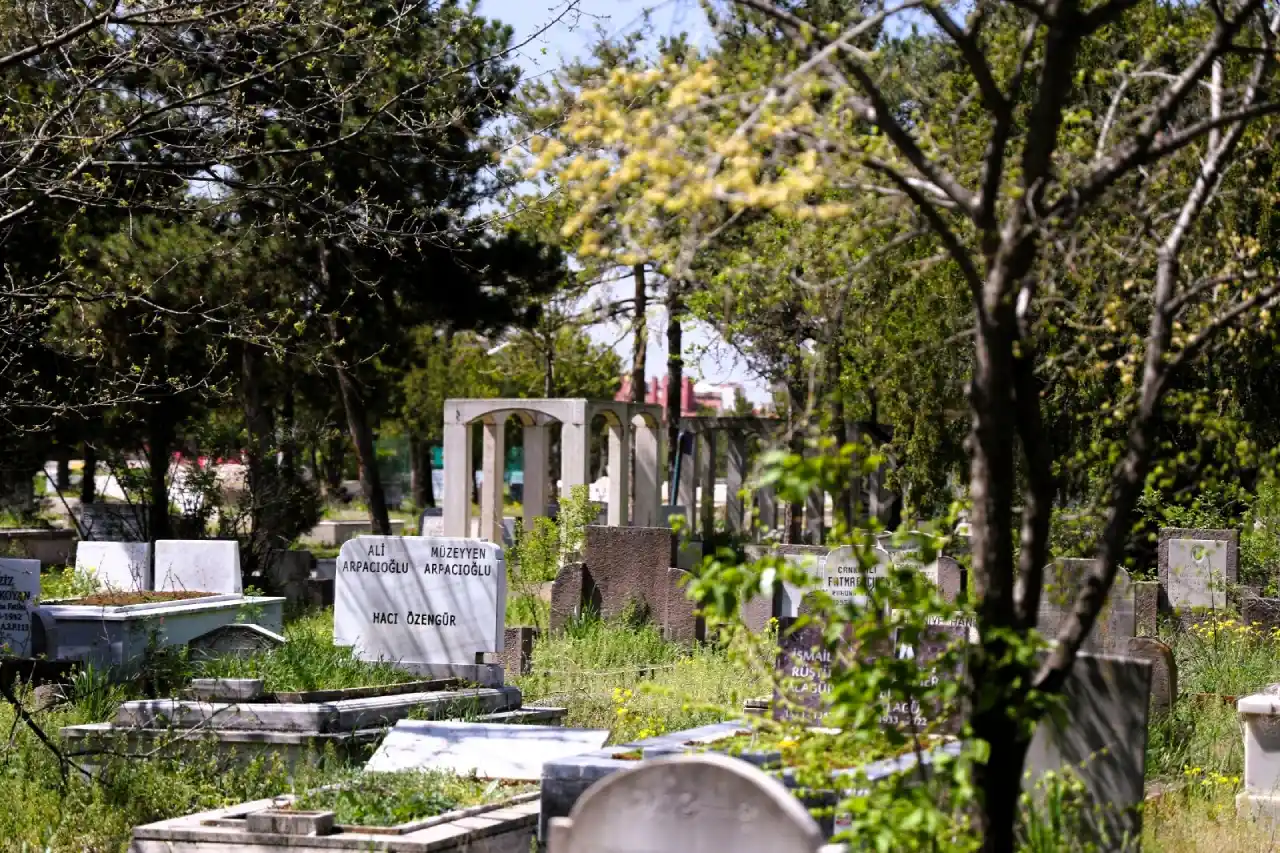
Material choices reinforce this understated approach. Tombstones from the 1940s and 1950s are typically made from Ankara stone, reflecting a simple, restrained design language shaped by modernist principles.
Kabakuşak contrasts this with cemeteries in Europe, where such spaces often function as public parks. People run, cycle and spend time there. In Türkiye, by contrast, cemeteries are shaped by a more modest aesthetic. While they may appear less monumental, each grave carries its own distinct identity and design value.
A MODERN PLAN WITH PARTIAL REALIZATION
Kabakuşak also underlines that cemeteries, unlike cities, must serve both the living and the dead. Cebeci Asri’s planning reflects this dual function.
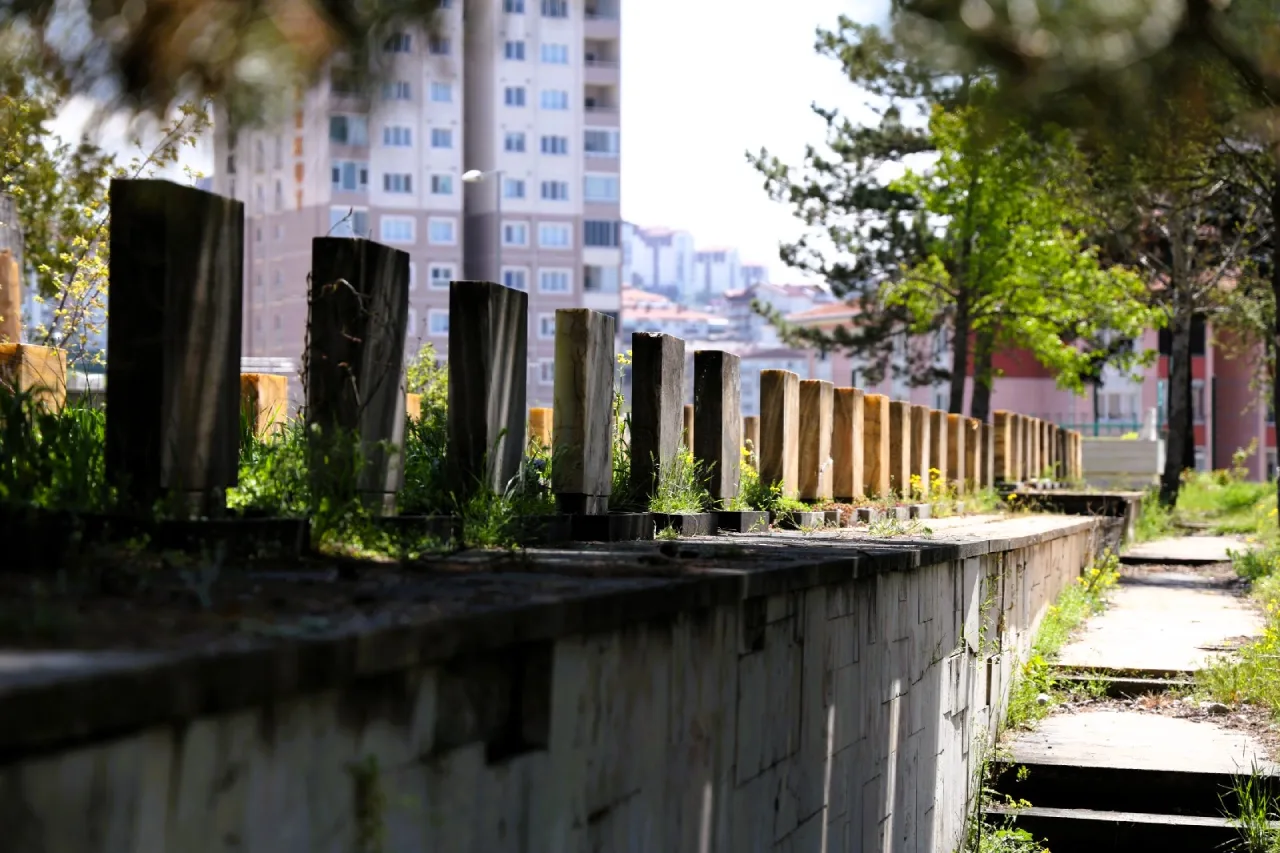
After 1923, Ankara—then still a small settlement—began developing a comprehensive urban plan. German architect Hermann Jansen introduced a garden city model centered on green spaces. These principles were later applied to the cemetery design in 1935, resulting in a grid-based layout with square sections, open public areas, wide vehicle roads and integrated water features.
Yet not all elements of the original design were realized. While the project itself was ambitious, its long-term preservation remains open to debate. Plans for monuments, a grand entrance complex, a crematorium and multi-faith worship spaces, including a synagogue and a church, were never fully implemented after Elsaesser withdrew from the project. Today, only the grid layout survives intact, supported by continued landscaping and tree planning.
Kabakuşak concludes that cemeteries mirror the cities they belong to. As cities evolve, so do these spaces. While Karşıyaka Cemetery reflects Ankara’s contemporary urban character with its heavier use of marble and concrete, Cebeci Asri retains a more natural and historical identity.