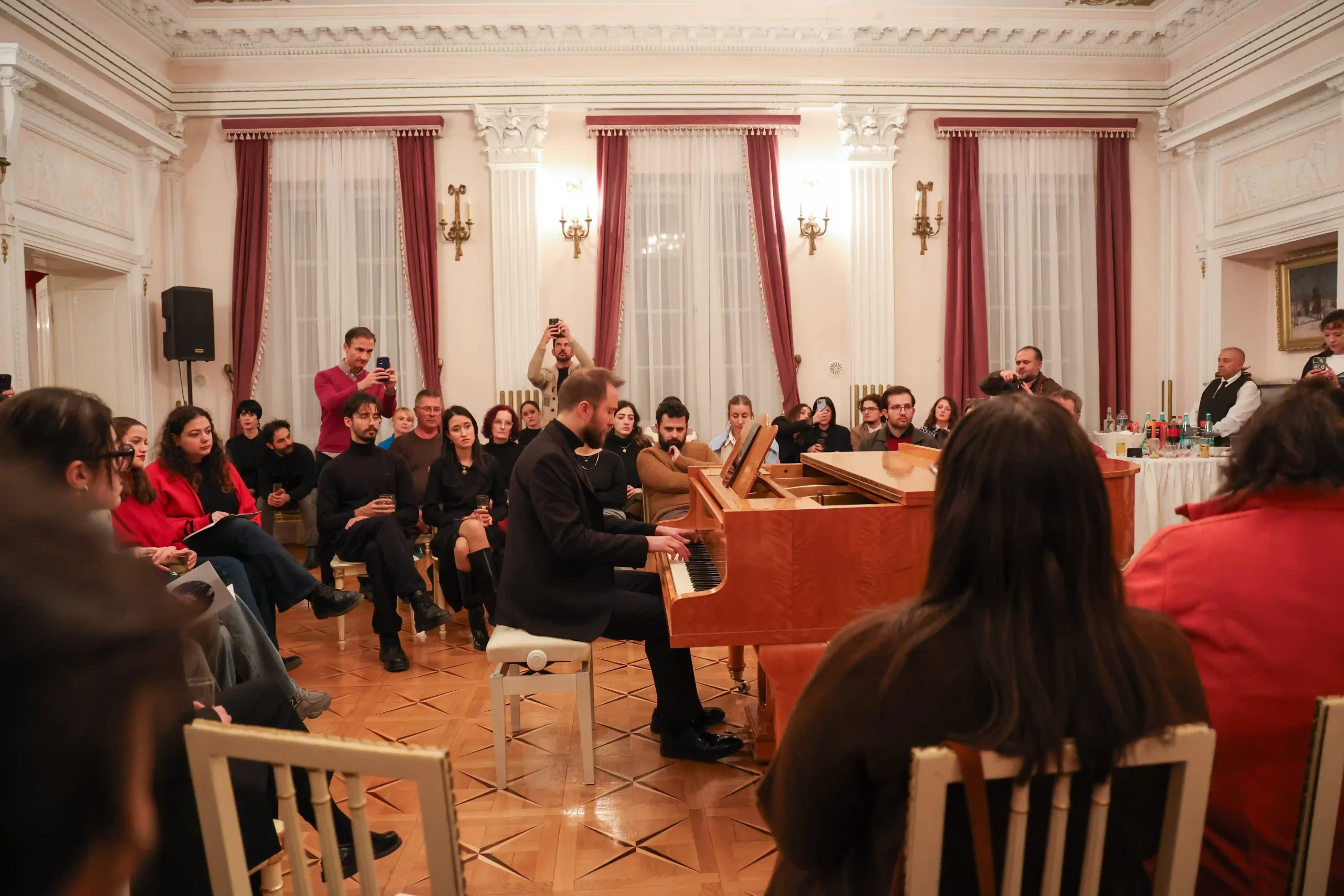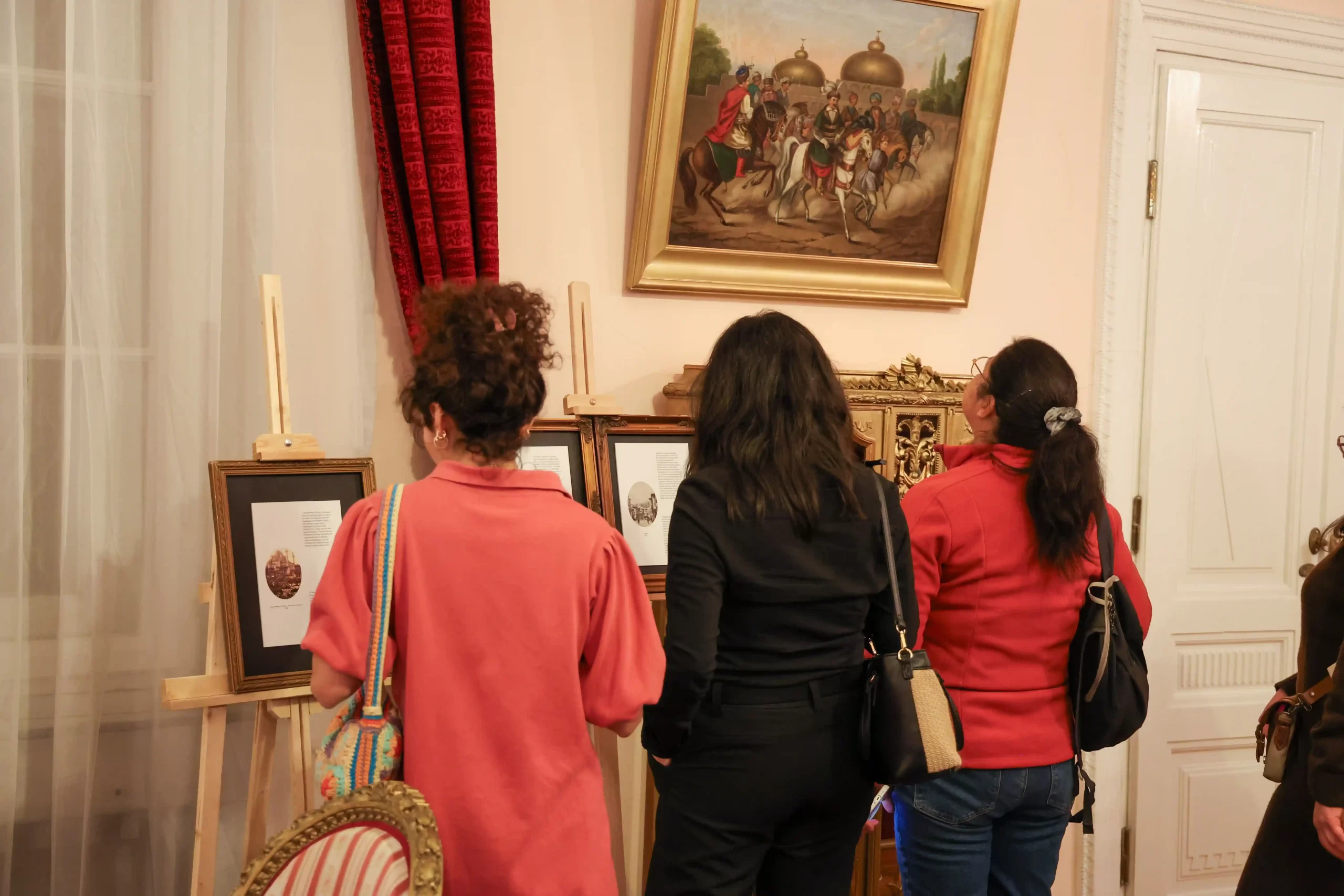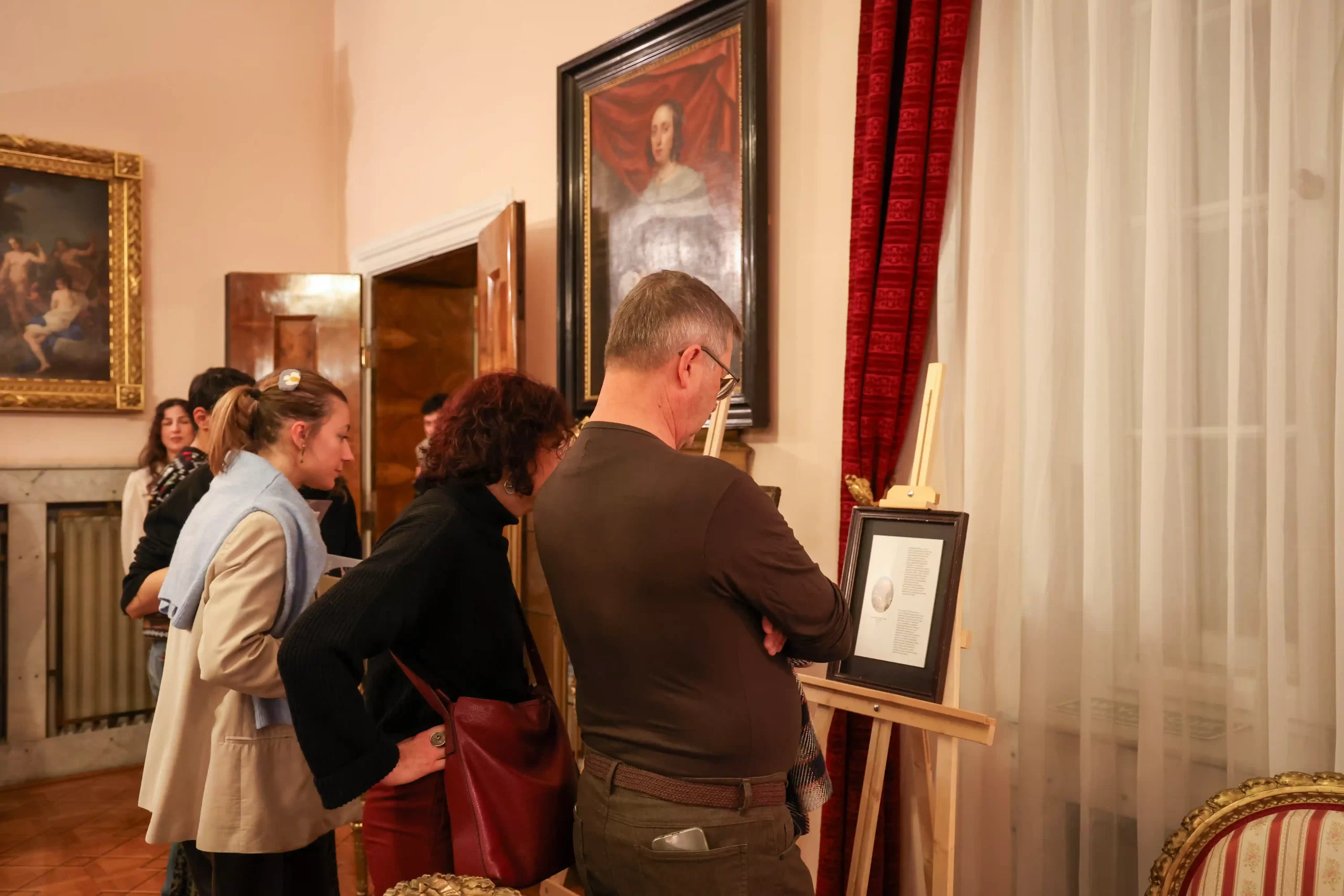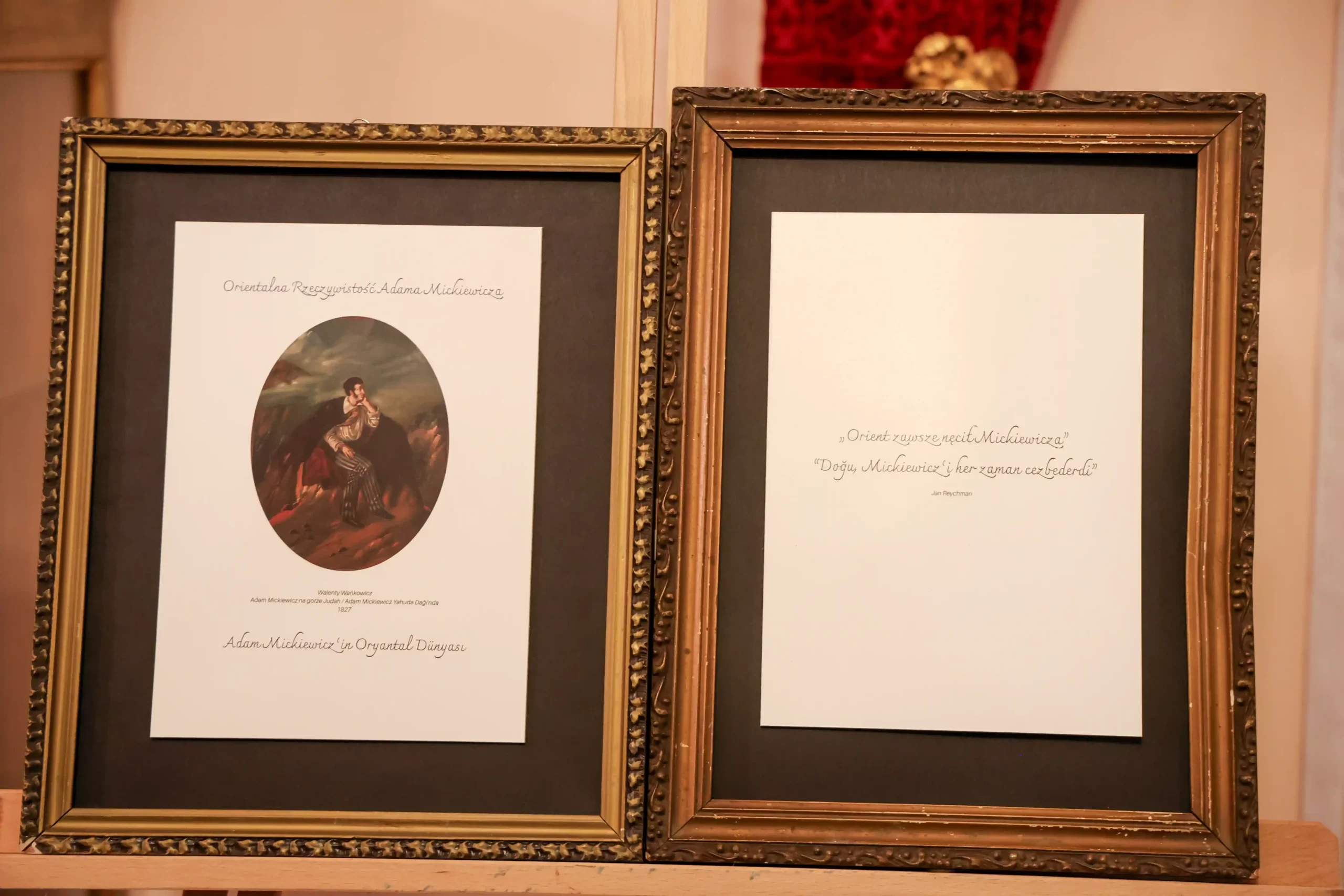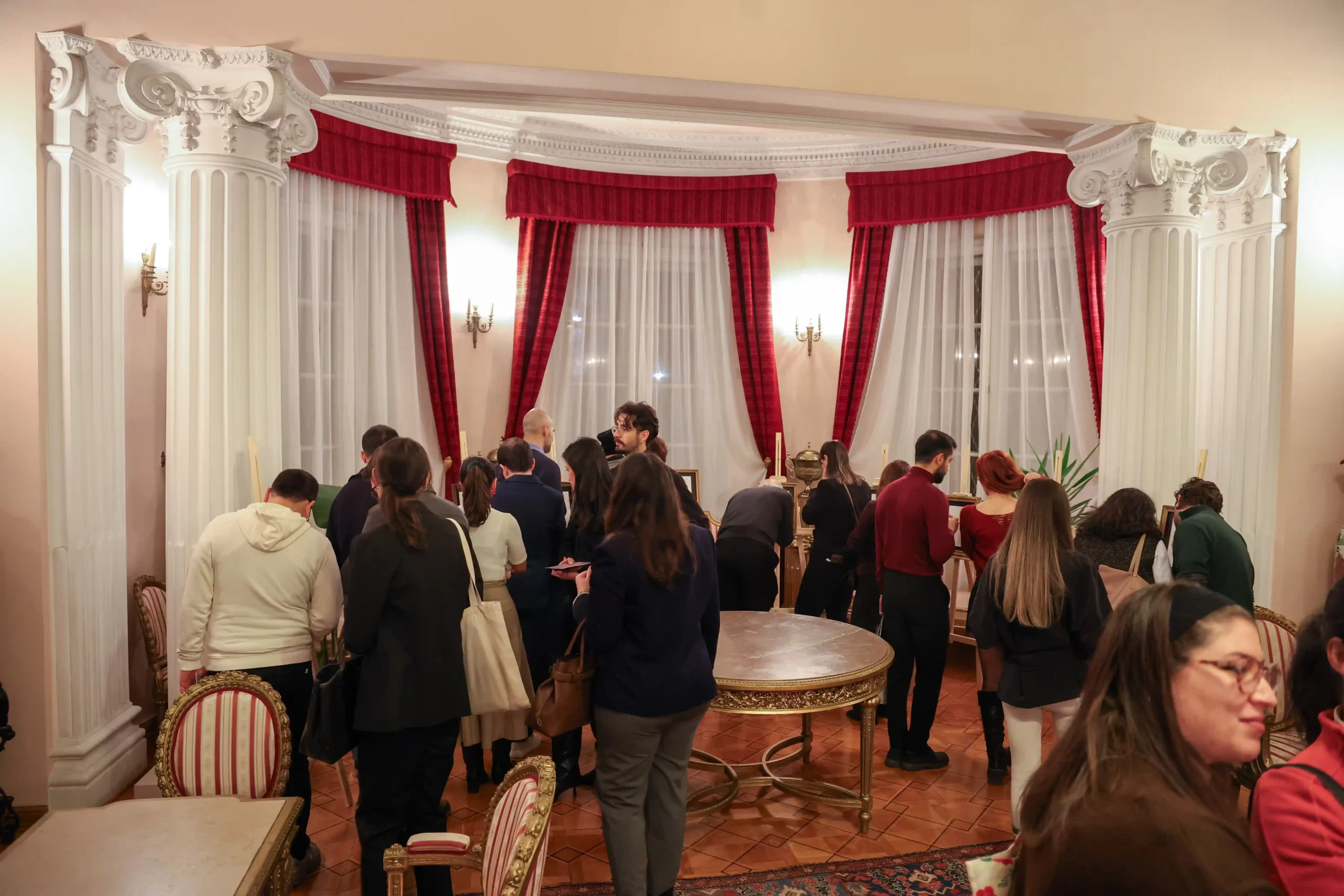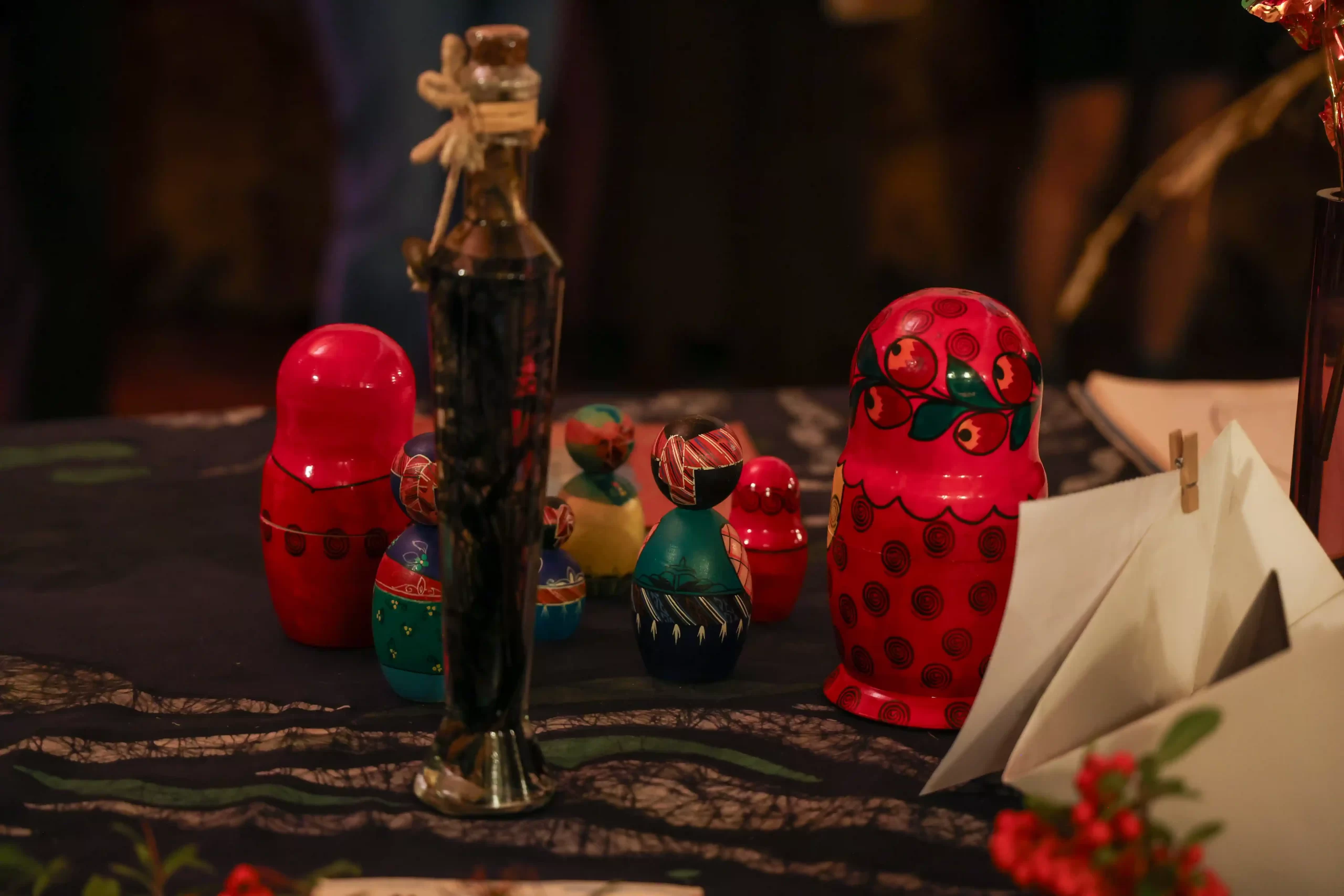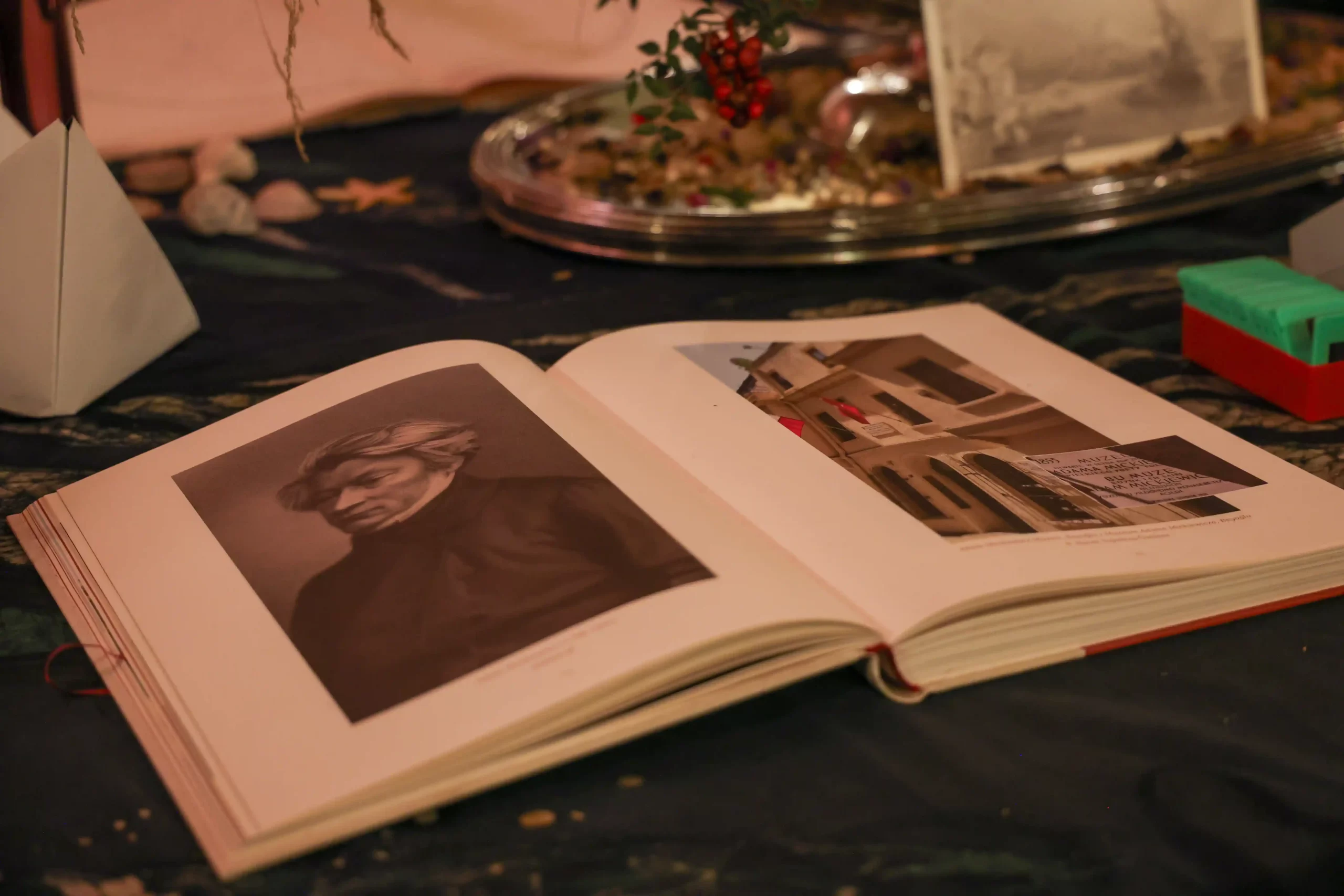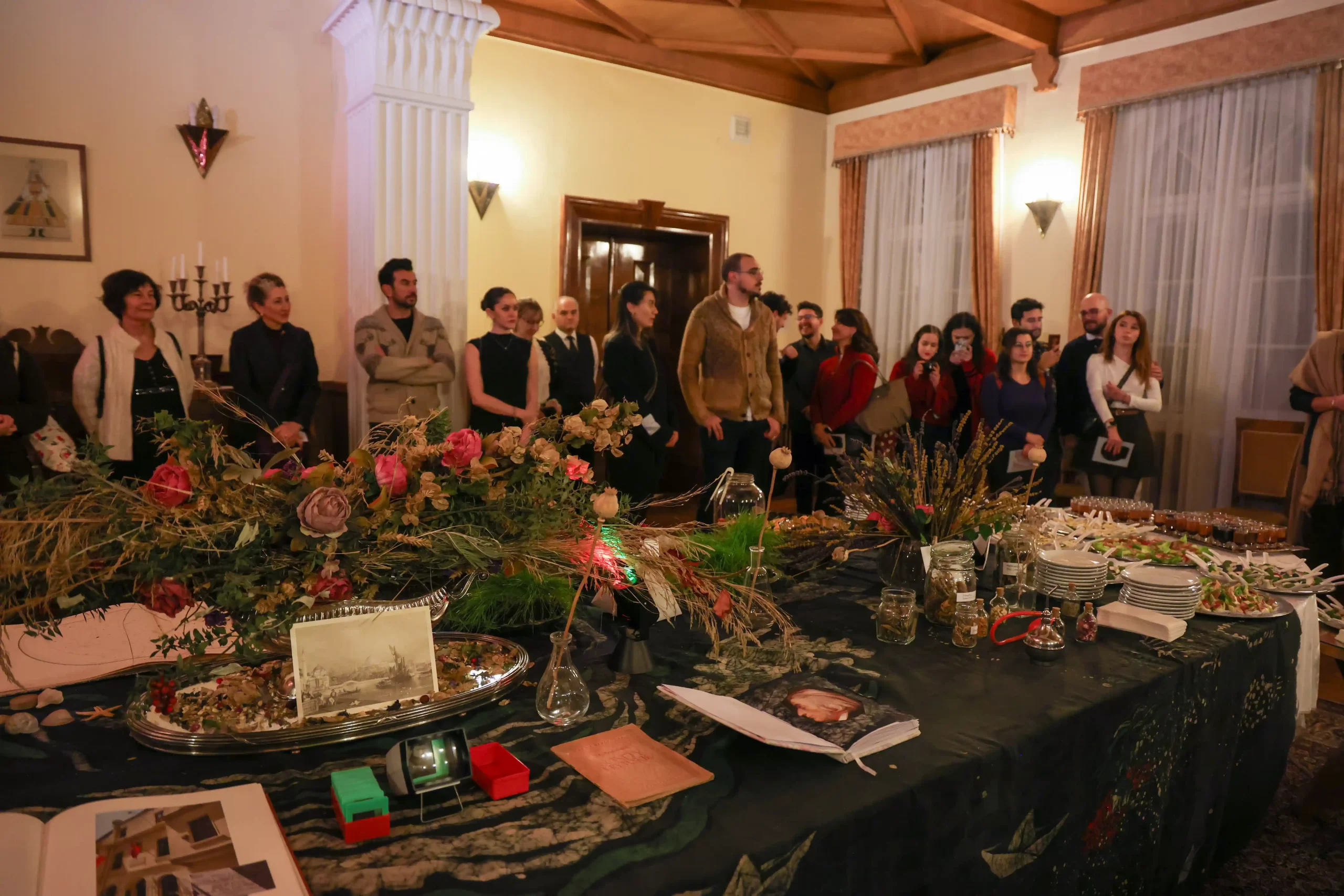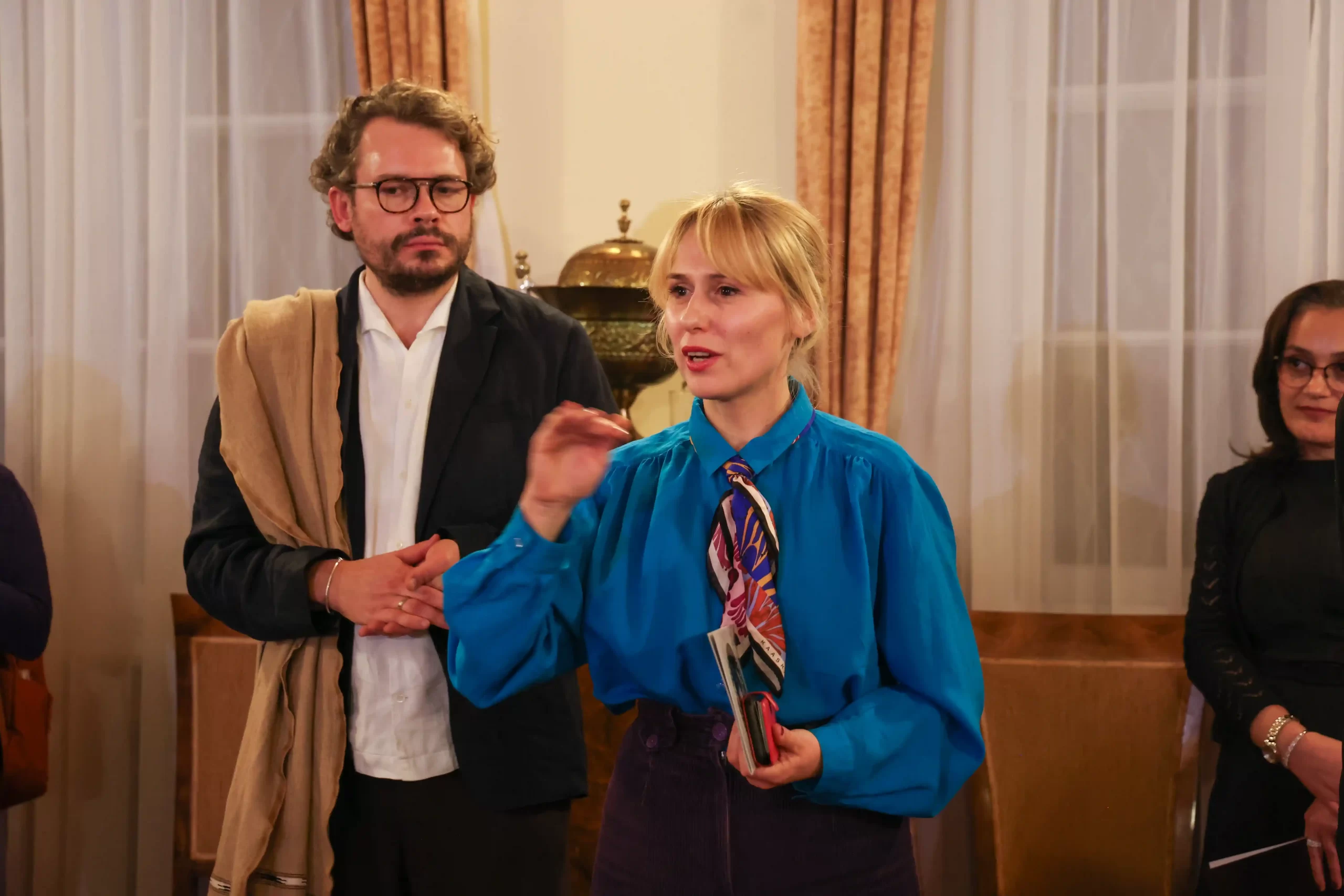
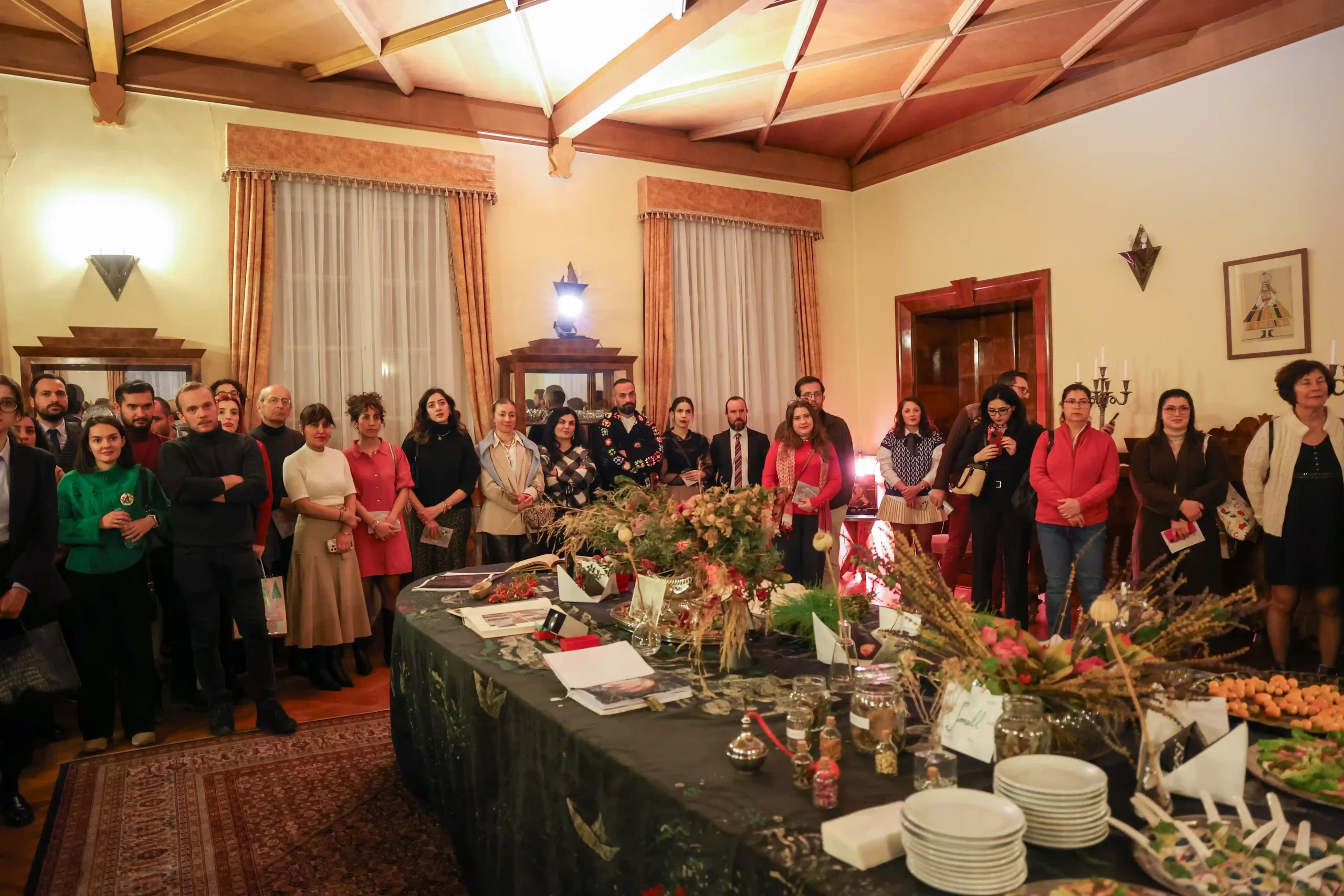
An event was held at the Polish Embassy to mark the 170th anniversary of the death of Polish poet Adam Mickiewicz, who died in Istanbul in 1855. As part of the project titled “Adam Mickiewicz’s Oriental Reality,” traces of the artist’s interest in Eastern cultures and his journey to Istanbul were presented through poetry, taste, scent, music, and painting.
Fatih ŞİŞMAN
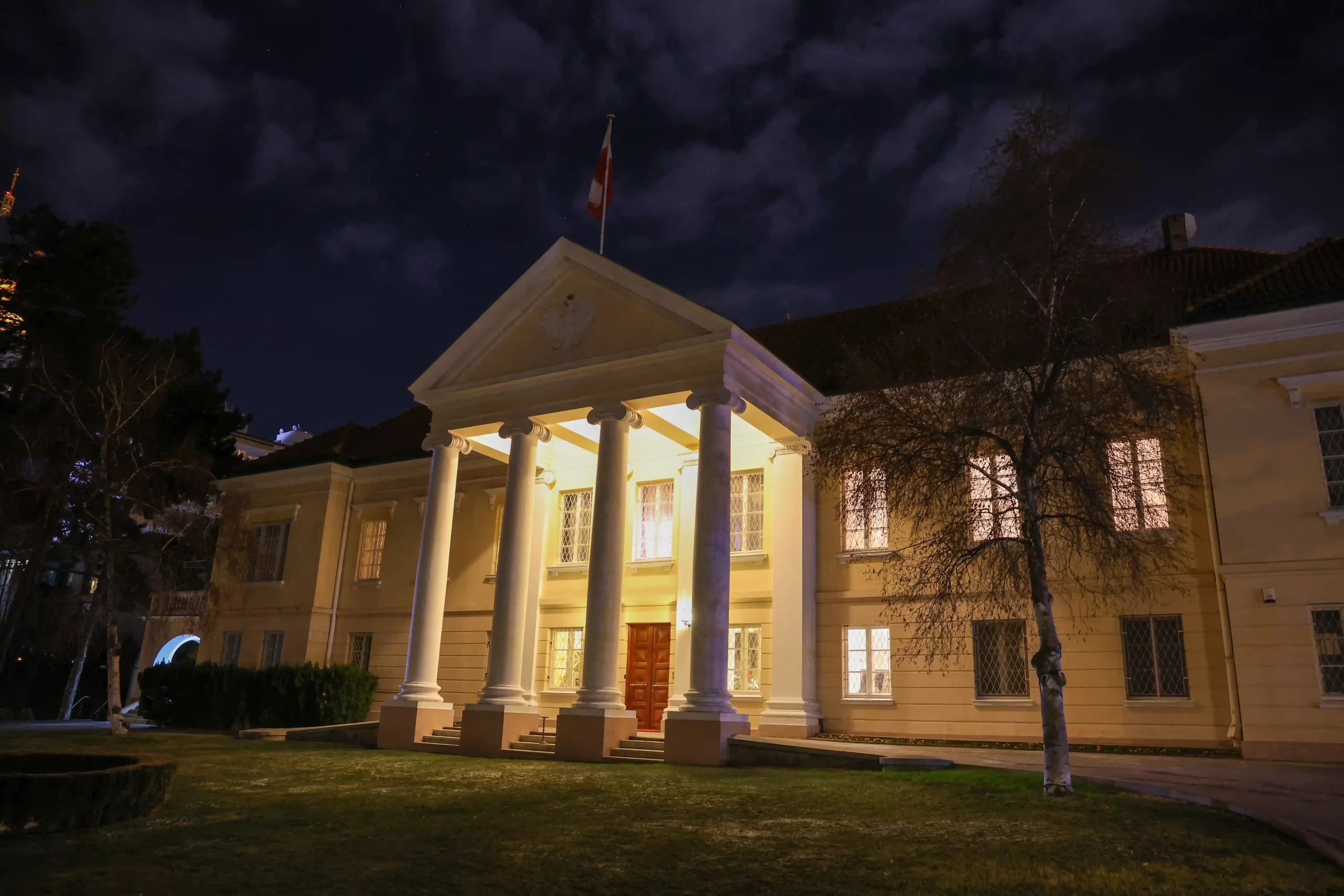 The project “Adam Mickiewicz’s Oriental Reality” draws inspiration from Mickiewicz’s orientalist poems, as well as from his life journey that led him to Istanbul and Türkiye. Organized by 55T, Sofar Sounds Ankara, and the Embassy of the Republic of Poland in Ankara, the project reinterpreted his work through sound, imagery, taste, scent, and spatial experience. Rooms in the historic Polish Embassy building hosted elements including poetry and visual arts.
A VERY DEEP TIE TO ISTANBUL
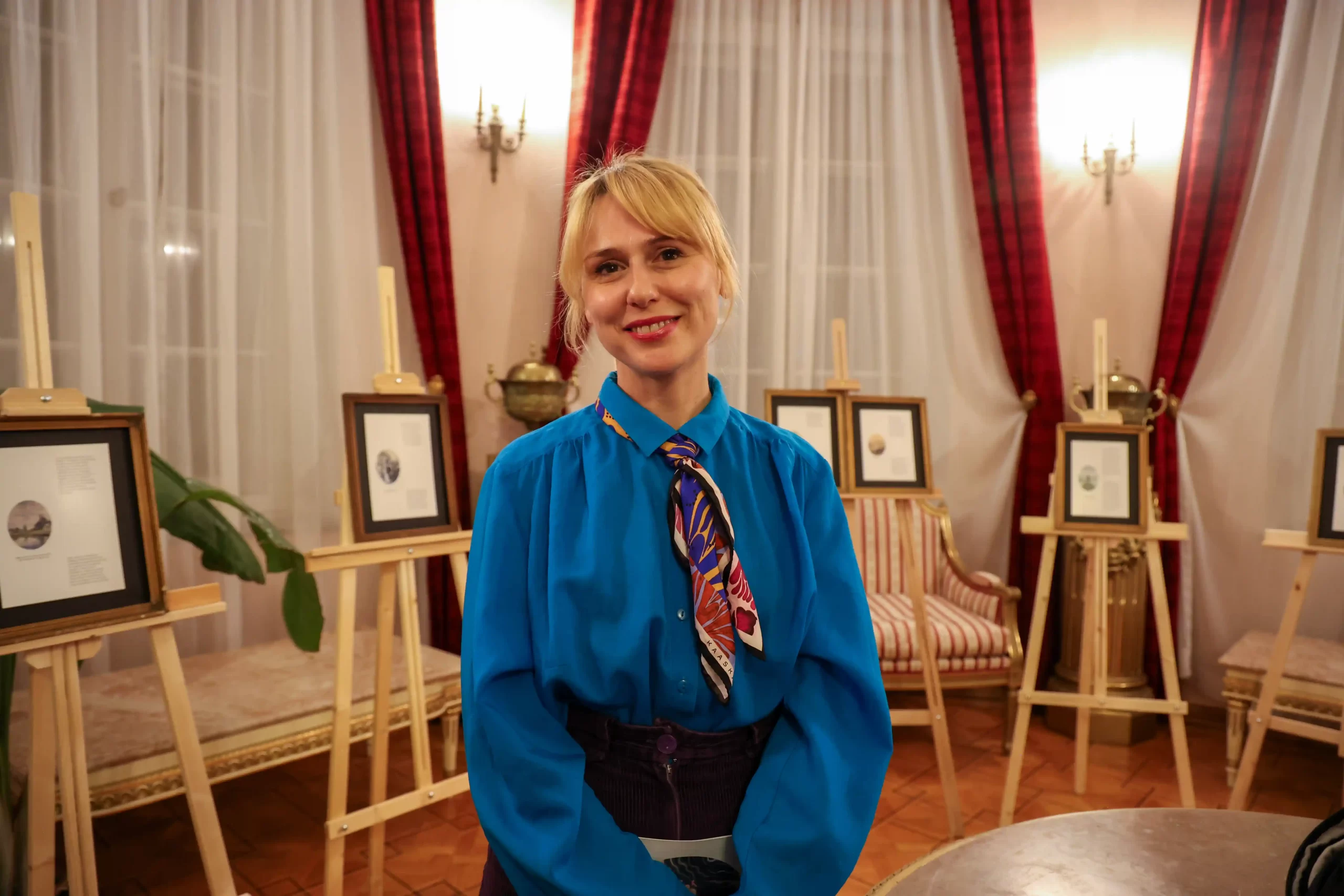
Kornelia Binicewicz, who designed and curated the project, said Adam Mickiewicz is one of Poland’s most important poets and maintained a strong connection with the East throughout his life. Noting that he came to Istanbul in the final period of his life and died there shortly after, Binicewicz described Mickiewicz’s ties to Türkiye as follows: “His life is proof that he would most likely have stayed in Istanbul if he had not died, because he loved Istanbul very much. His connection with Türkiye, and especially with Istanbul, is extremely deep.
HE CAME TO ISTANBUL TO FORM UNITS
In 1855, he came here to help establish independent units that could fight for Poland. This was a time when Poland did not exist, because neighboring countries had decided to partition it, and Poland as a country had disappeared. The reason he came here was that the sultan supported aspirations for Poland’s reestablishment. His political goal was to come here, bring people together, and form units, military units. He did not succeed. He died in Tarlabaşı. It is said that it was cholera, but there are also rumors that he was poisoned. Still, he would most likely have stayed much longer, because he truly dreamed of Istanbul and Türkiye.”
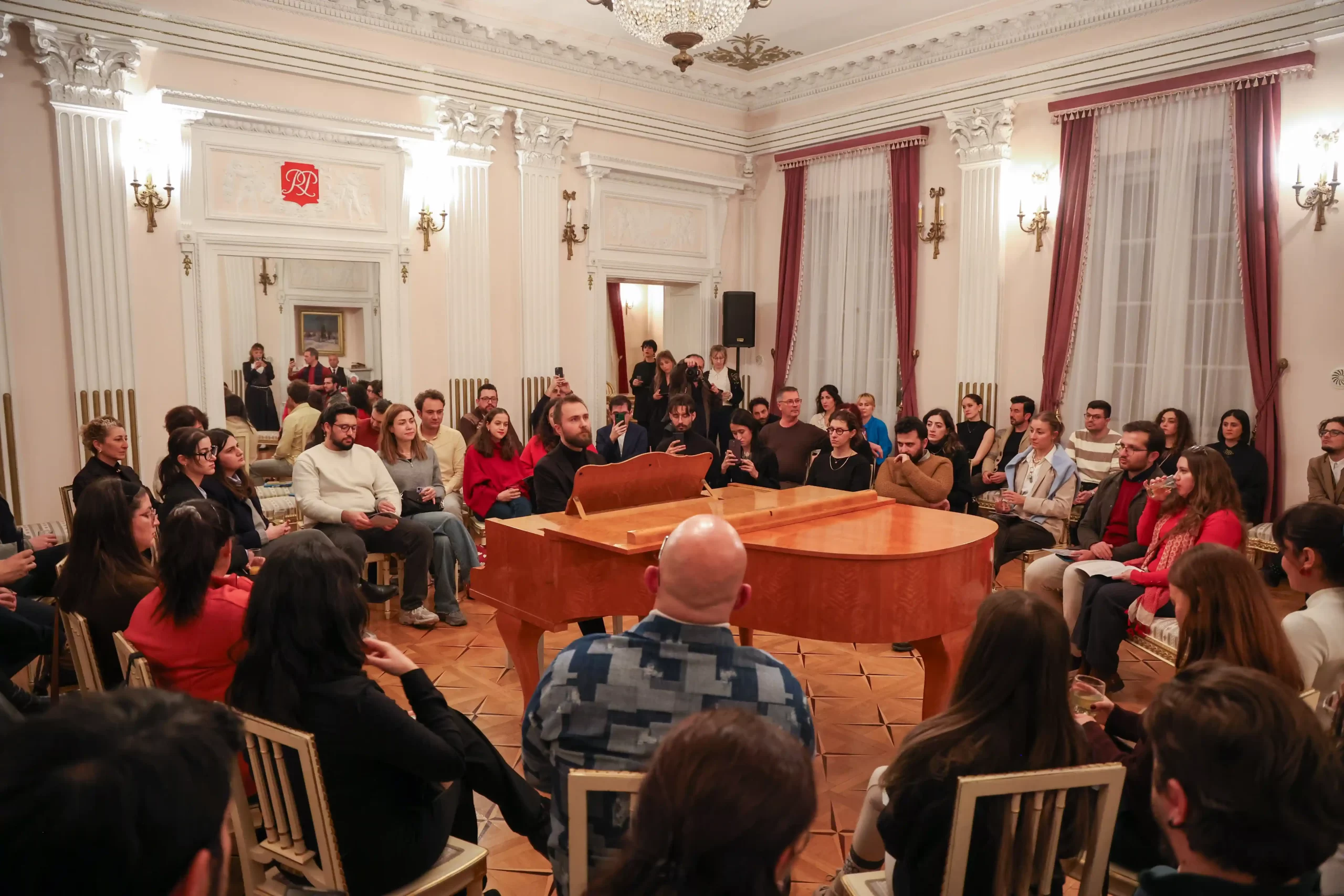 As part of the project organized for the 170th anniversary of Adam Mickiewicz’s death, Cem Değirmen gave a piano performance and poetry recital. The project also featured production by Italo Rondinella, textile design by Hazal Zeynep Altunal, sound design by Ana Flavia Furtado Imre, and poetry readings by Weronika Nockowska and the Incir Collective.