“THE TURKISH LANGUAGE HAS A VERY MELODIC STRUCTURE”
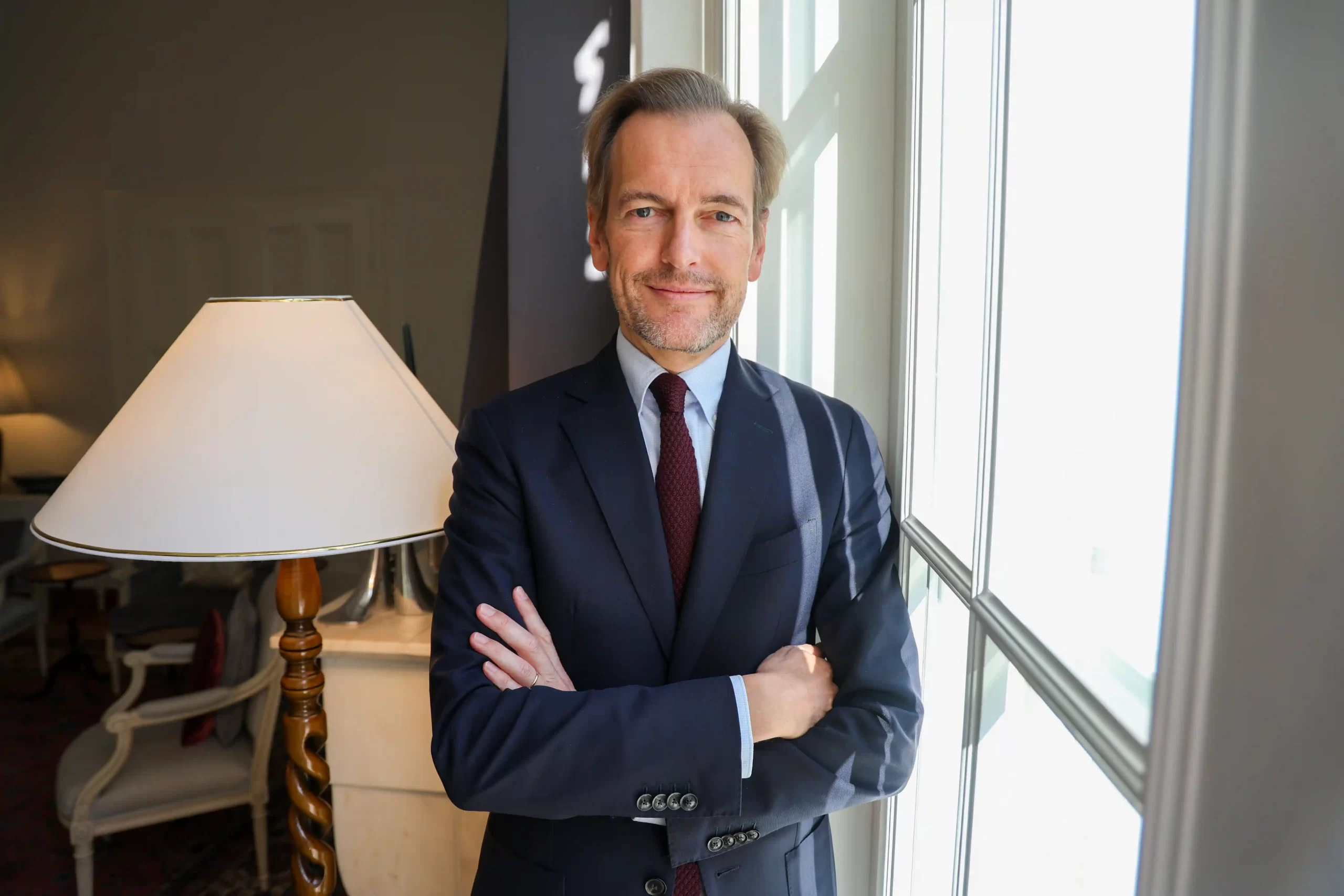
Having served in Ankara for more than a year, Belgian Ambassador Hendrik Van de Velde says he believes Türkiye’s future lies within Europe, stating, “I genuinely see Türkiye as a European country. I have travelled all over the world, and the conclusion I have reached is this: Türkiye is definitely European. Even if it is intertwined with many other cultures, Türkiye is, above all, European.”
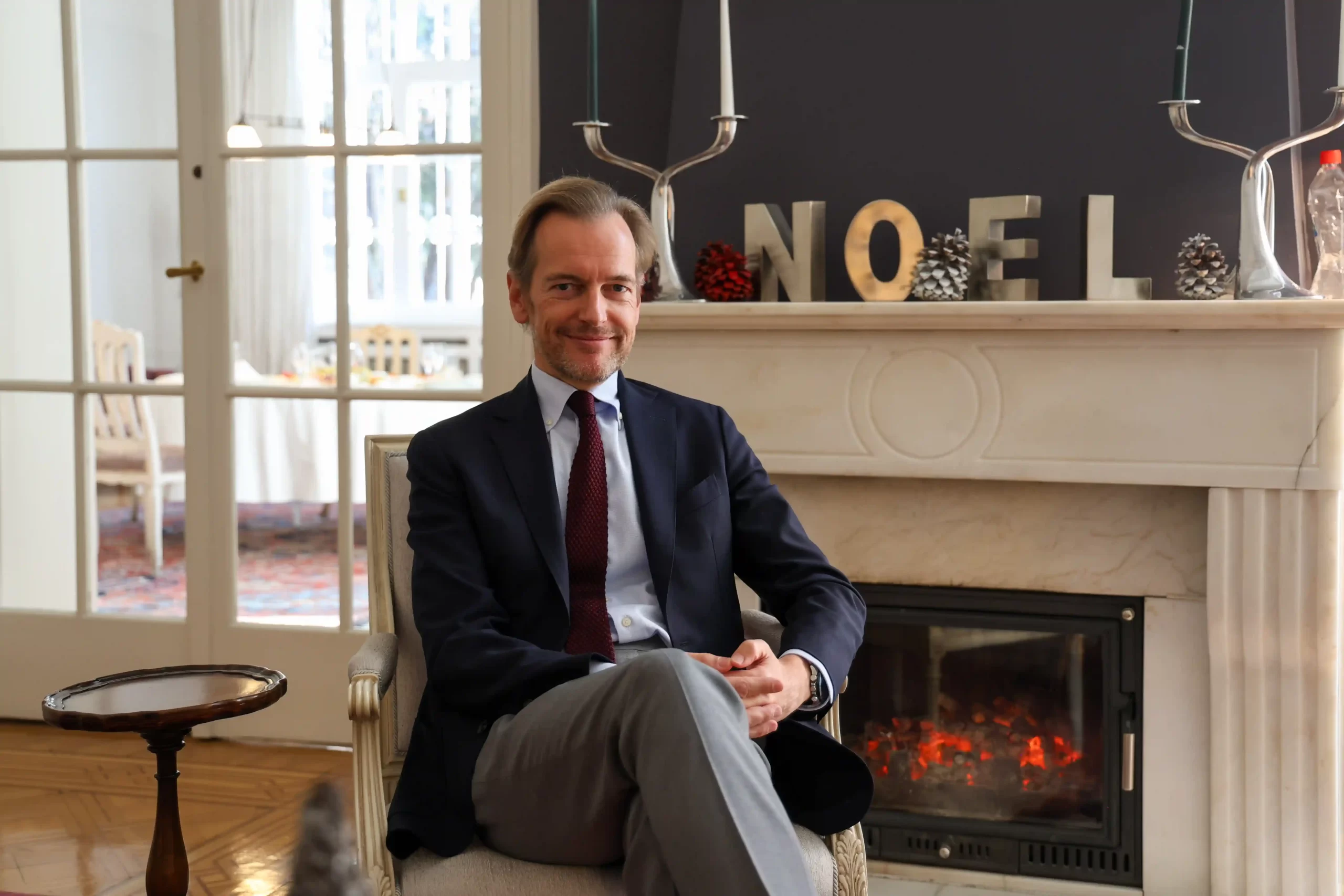
Belgian Ambassador Hendrik Van de Velde, who began his post in Ankara in the summer of 2024, says he travelled to Türkiye by car with his family. He describes the summer journey as a very special experience. Reflecting on his first year in Türkiye, Ambassador Van de Velde shared his impressions and experiences. De Velde describes the Turkish language as highly melodic and says his favourite expression is “Tanıştığımıza memnun oldum” (“Nice to meet you”).
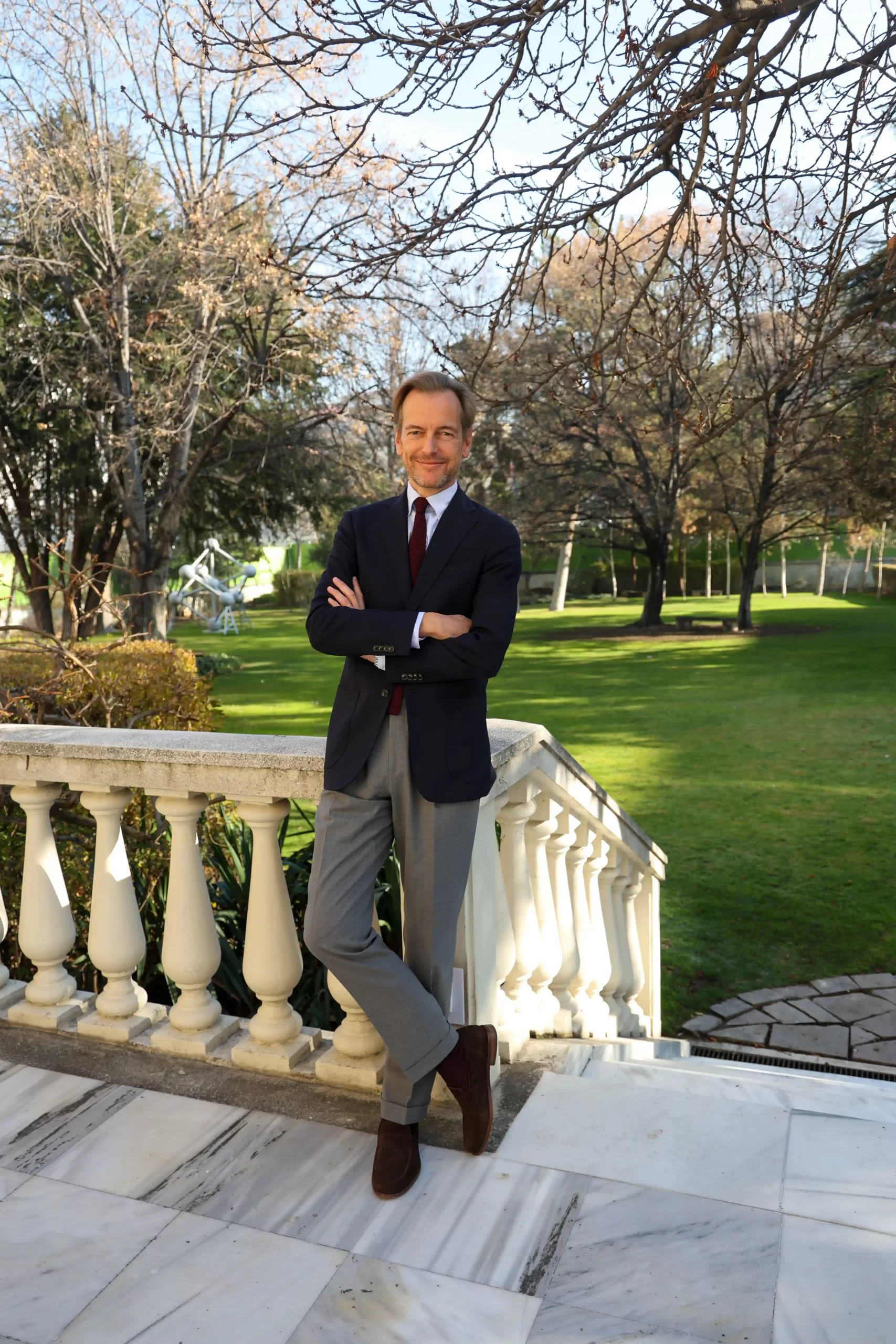 Van de Velde aims to strengthen economic relations between Türkiye and Belgium, adding that another priority is supporting Türkiye’s renewed engagement with the European Union. He said, “I think there is another dimension that is very important both for Türkiye and for us: bringing Türkiye closer to the European Union again, or contributing to that process.”
TÜRKİYE IS DEFINITELY EUROPEAN
“I believe that Türkiye’s future lies within Europe. I genuinely see Türkiye as a European country. If I can help achieve progress in this direction during my term, I would be very happy. Like many Europeans, I used to imagine Türkiye as an Eastern country, belonging to the East. That was the general and traditional perception. I have travelled extensively in and around Anatolia. For me, Türkiye is definitely European in its culture, its reflexes, and its mindset.”
“I have also served in the Middle East. I have travelled all over the world, and the conclusion I have reached is this: Türkiye is definitely European. Even if it is intertwined with many other cultures, Türkiye is, above all, European. This is the strongest conviction I have reached at the end of my first year. To gain at least some understanding of a country’s mindset, how people live, how they view life and family, what they think about their children’s future, and what kind of goals they hold for their country, one needs to live in that country for at least a few months.”
THE ROOTS OF TURKS IN BELGIUM: EMİRDAĞ
Drawing attention to the fact that nearly 300,000 citizens of Turkish origin live in Belgium, Van de Velde notes that an honorary consulate was recently opened in Eskişehir. He explains that the main reason is that the vast majority of Belgians of Turkish origin trace their roots to that region and to Emirdağ.
Describing what his visit to Emirdağ last week meant to him, he said, “It was a very emotional experience for me because I am from Ghent, a city with a large population of people of Turkish origin. I was a child when this process was just beginning. I am talking about the late 1970s and early 1980s. That was when the first Turkish neighbourhoods started to emerge.
“My family lived in other countries, so I was no longer living in Ghent, where my childhood years had passed. As a result, I did not witness that development. Over the years, the Turkish population there grew significantly. Suddenly coming face to face with the place where all those people you have seen and known since childhood come from is very moving.
“In a way, when migrants live in your country, you always have a vague idea of where they come from, but you do not know exactly where it is. Then suddenly you pass through that place, you see a town called Emirdağ, you see the houses, you see the way of life, you see the surroundings, and you make the connection with the Turks in Belgium.”
NOT TRAVELLING WOULD HAVE BEEN MADNESS
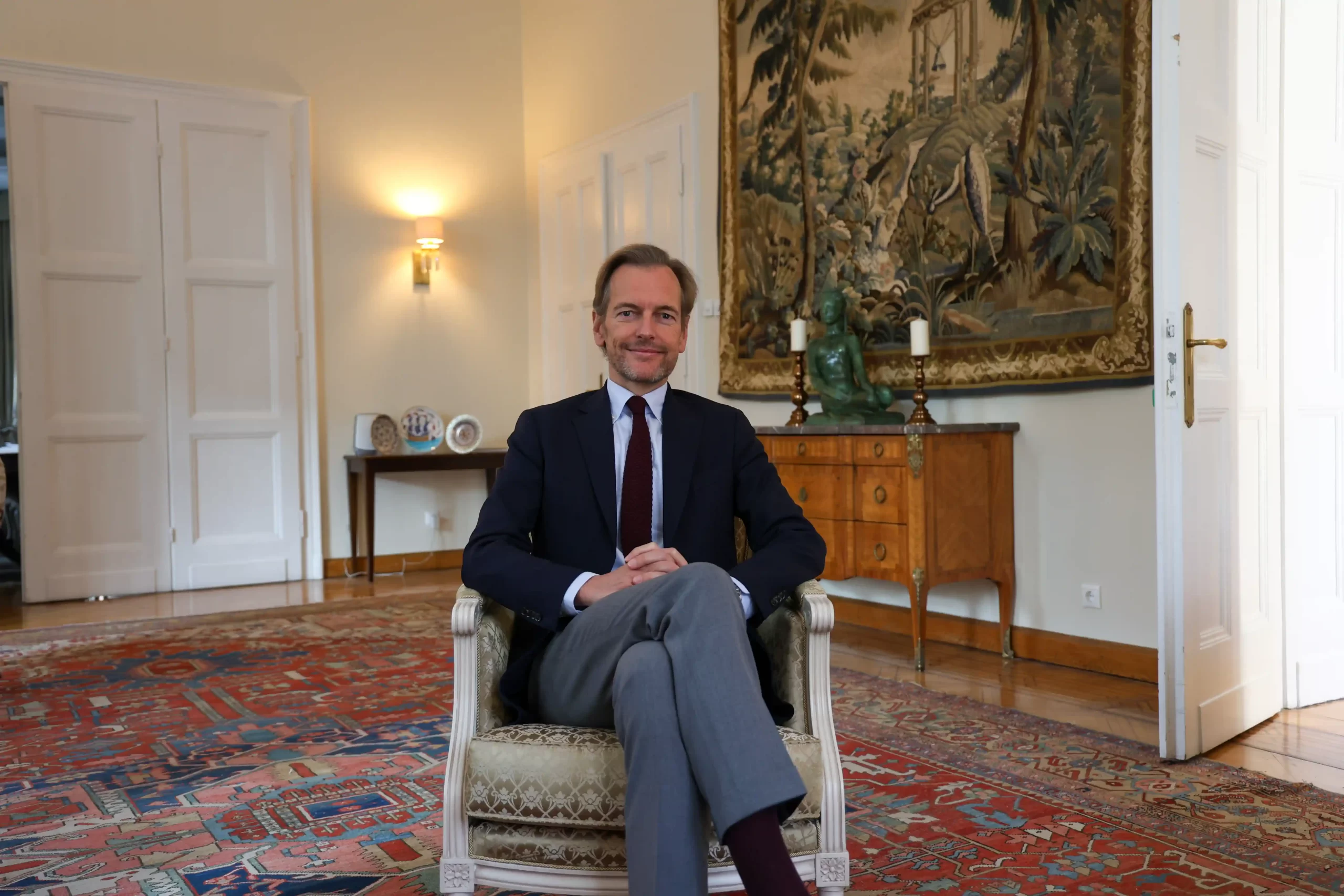 Van de Velde says Türkiye is one of Europe’s most beautiful countries, noting that he has travelled extensively, adding that “Not travelling in what is probably one of Europe’s most beautiful countries, and perhaps now one of the world’s largest tourism destinations, would have been madness.
“The reasons are very clear: the size of the country, its beauty, and its rich history. Almost every civilisation on the Asian continent has lived here. Wherever you stand, you inevitably see traces from the Ottoman Empire, Byzantium, the Hellenistic or Roman periods, the Hittites, the Phrygians, or the Neolithic era. In Anatolia and the eastern part of the country, these Neolithic sites are now receiving much more attention. This is truly fascinating.”
FAVOURITES: CAPPADOCIA AND HATTUŞA
Van de Velde’s favourite destinations include Cappadocia and Hattuşa, which he places at the top of his list. He said, “Cappadocia is one of the most important places in the world for me. Like Machu Picchu, Wadi Rum, Petra, or the pyramids. In terms of its historical value, beauty, and uniqueness, this is one of the most important places in the world.
“You go there, you hike, you can take a hot air balloon ride, you can visit underground cities, and for those who want it, there are also luxury hotels. The historical importance of Cappadocia is truly very strong.
“The second place I truly loved while hiking in spring was Hattuşa, where I was almost completely alone with my family. Because in spring, everything in Hattuşa turns lush green, and you are surrounded by hills. Since there are almost no other villages or structures around, you can truly imagine the presence of an ancient civilisation there. You can understand why a civilisation might have settled there. The land is very fertile. And you start thinking that what we are talking about here is probably the 2000s BC, or even earlier, around 3,500 years ago.”
MENEMEN IS A COMFORTING DISH
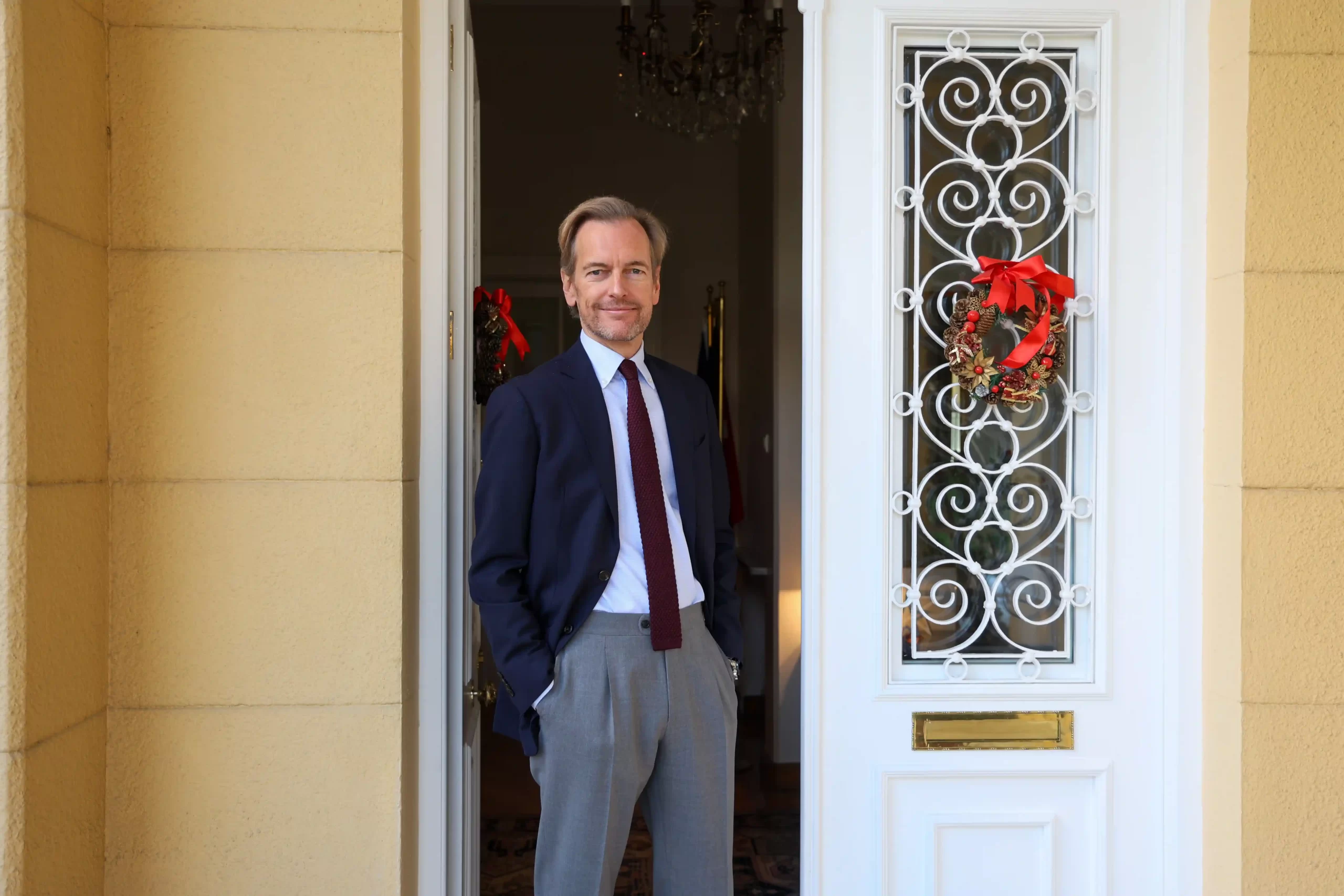
Van de Velde describes Turkish cuisine as among the best in the world, saying, “Because I have lived in every country I have been posted to for at least three or four years, I can say that this is the first country where I think everything is good. There is nothing bad. Usually, there are always a few things. You say, ‘I don’t like this habit,’ or ‘I don’t like that.’ But it is not like that here. Everything is very good here. And beyond that, there is nothing that I dislike.”
He added that his favourite part of Türkiye’s food culture is the breakfast tradition, calling Turkish breakfast “a wonderful concept.”
As for his favourite dish, it is menemen. He said, “I always order menemen because I think it is truly a comforting, typical, and delicious dish. It is a dish made with eggs. I already love eggs. But the way it is prepared is very special and unique for me. That is why I truly love menemen.”
ANKARA’S INTELLECTUAL LEVEL IS VERY HIGH
Van de Velde is an admirer of Ankara and described his affection for the capital in these words: “You know how people say that the best thing about Ankara is the road to Istanbul, and that everyone has a story about it. Every time I go to Istanbul, people look at you with a bit of pity, as if to say, ‘Poor ambassador, he has to come back.’
“And every time, I explain that I love Ankara. This always surprises people in Istanbul. I love Ankara because the people you encounter here are very impressive. From my perspective, Ankara is truly a wonderful city in this respect. There are many universities, state institutions are here, and engineers are here, and you can feel it. There is truly an energy here. I believe Ankara’s intellectual level is very high. People are educated, and being part of that feels very good to me.”
ATATÜRK’S VISION
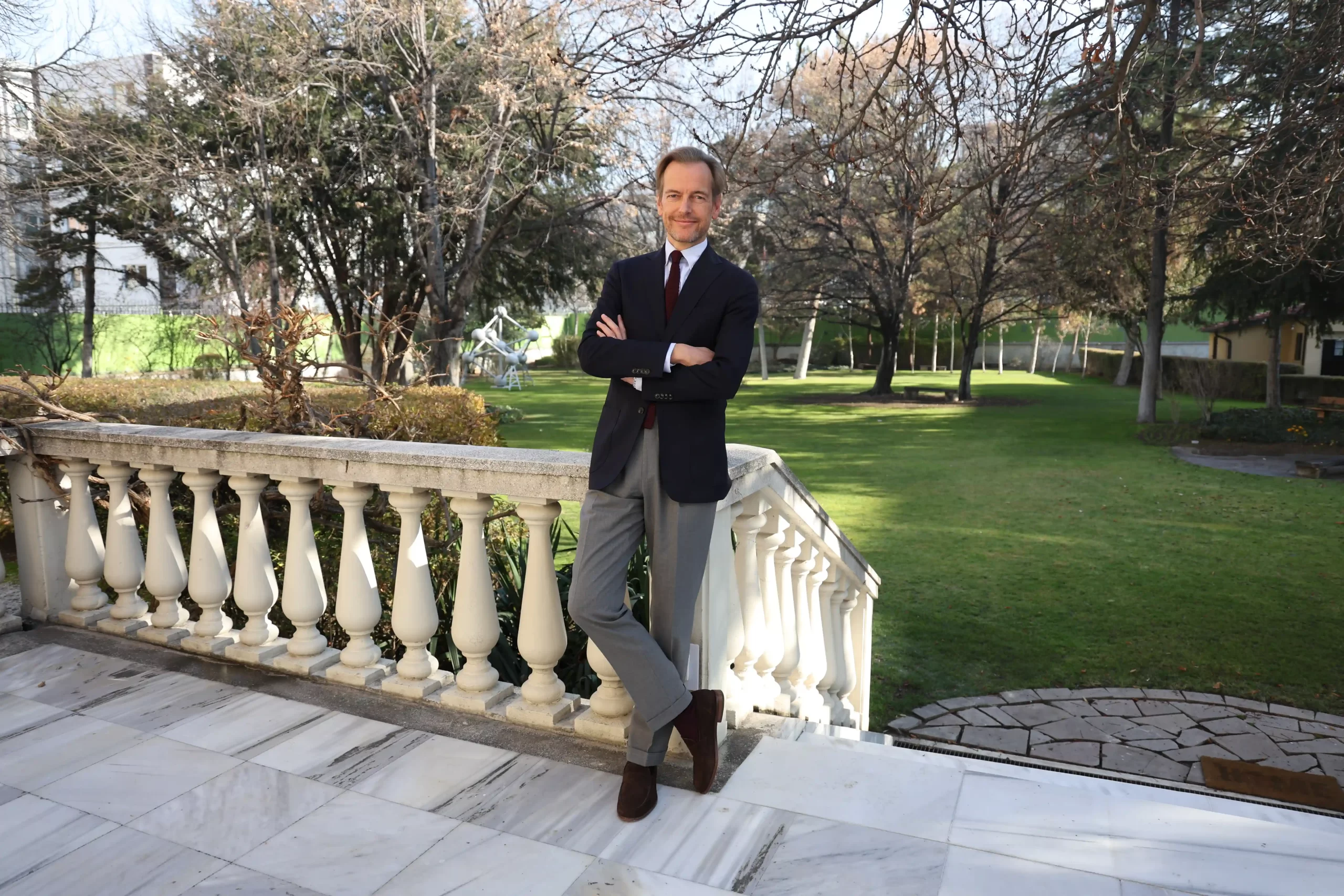
Explaining that he visits Anıtkabir with his family on Sundays, Hendrik Van de Velde shared his feelings about Atatürk, saying, “I am truly impressed by the fact that Atatürk’s vision for Ankara has been realised. Even today, you can see it and feel it in the buildings. What this vision is and what it represents for Türkiye is very clear.
“I think this is a very unique experience in modern history: rebuilding a state on a new foundation while at the same time drawing on the traditions of the Turkish people. This blend of modernism and tradition, dynamism, and the desire for progress… You can see it everywhere.
“We also discussed this with our Belgian Minister of Defence, who came here for an official visit in July. He also visited Anıtkabir and was deeply impressed by what he felt there. We were completely in agreement on this.
“This residence dates back to 1930 and stands at the very centre of this story. This house, the residence of the Belgian ambassador, is, I believe, still the oldest ambassadorial residence in the world that is currently in use by an ambassador. And of course, it dates back to the Atatürk era.”
TURKISH HAS MANY POETIC WORDS
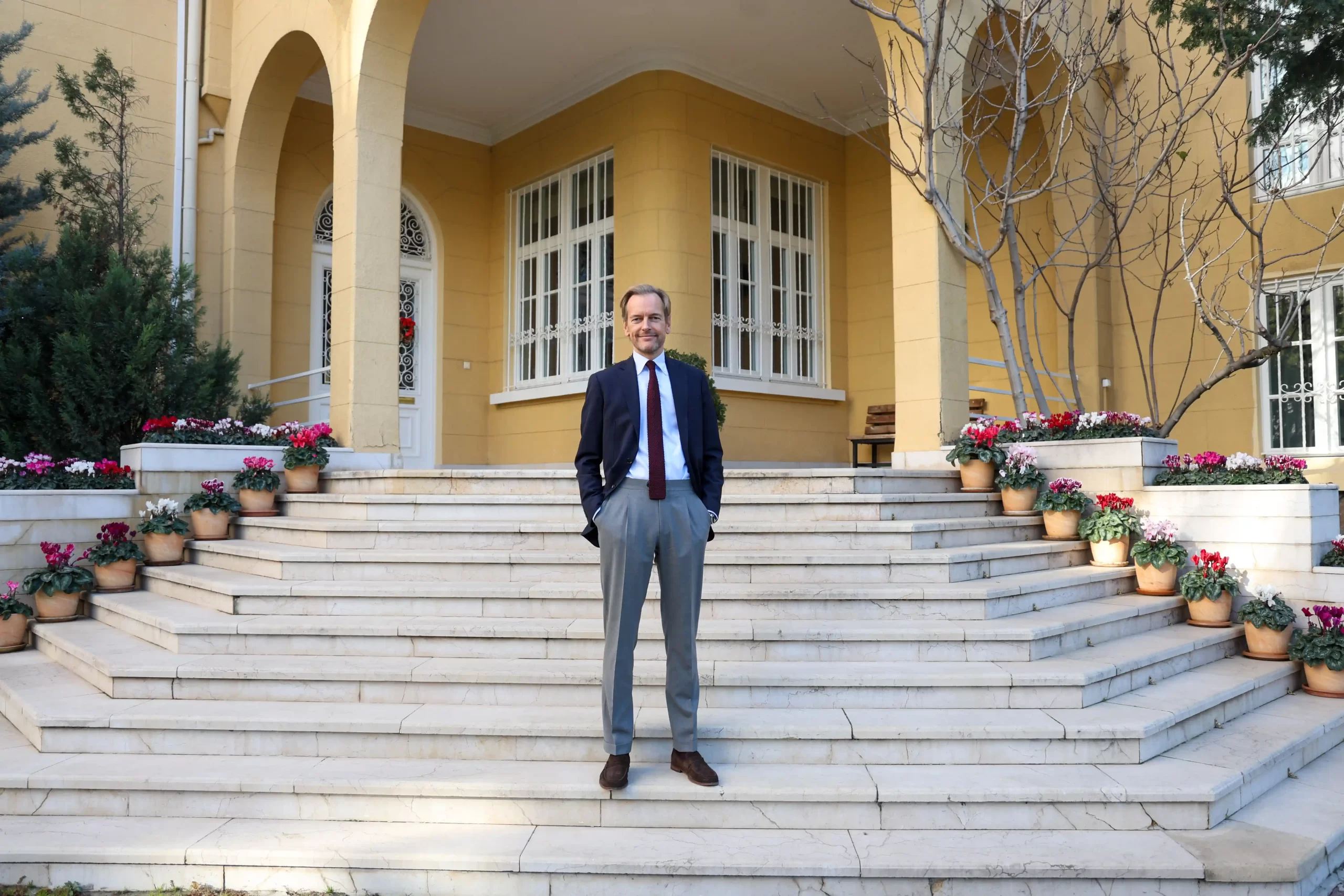
Van de Velde says Turkish is not an easy language, but adds that he wants to learn it. He also noted that his wife is learning Turkish. Describing Turkish as a very beautiful language, the ambassador said, “Its music is wonderful, and the melody of the language is truly beautiful. There are some words I try to use every day.
“There is one that I really love. You meet people and you say ‘tanıştığımıza memnun oldum.’ In English, this sounds rather ordinary, something everyone says. But when you say it in Turkish, it creates a very different feeling. You establish a much stronger connection with the person in front of you.
“Many words in Turkish sound poetic. The reason for this is the melodic structure of Turkish, that harmony.”
I HAVE NEVER FELT THIS GOOD ANYWHERE ELSE
Van de Velde said that, unlike in other countries where he has served, he would like to stay longer in Türkiye. He added, “I truly love this place. For the first time, I do not want to think about ‘what comes next.’ I would like to stay here for five years.
“I do not know whether this is related to the country or to my current age, but inside I find myself saying, ‘Let’s stay, let’s stay here as long as possible.’ There is so much to do. I am doing well here. I am happy here. I love this place. I have never felt as good anywhere else as I feel here. This is truly a very striking situation.”