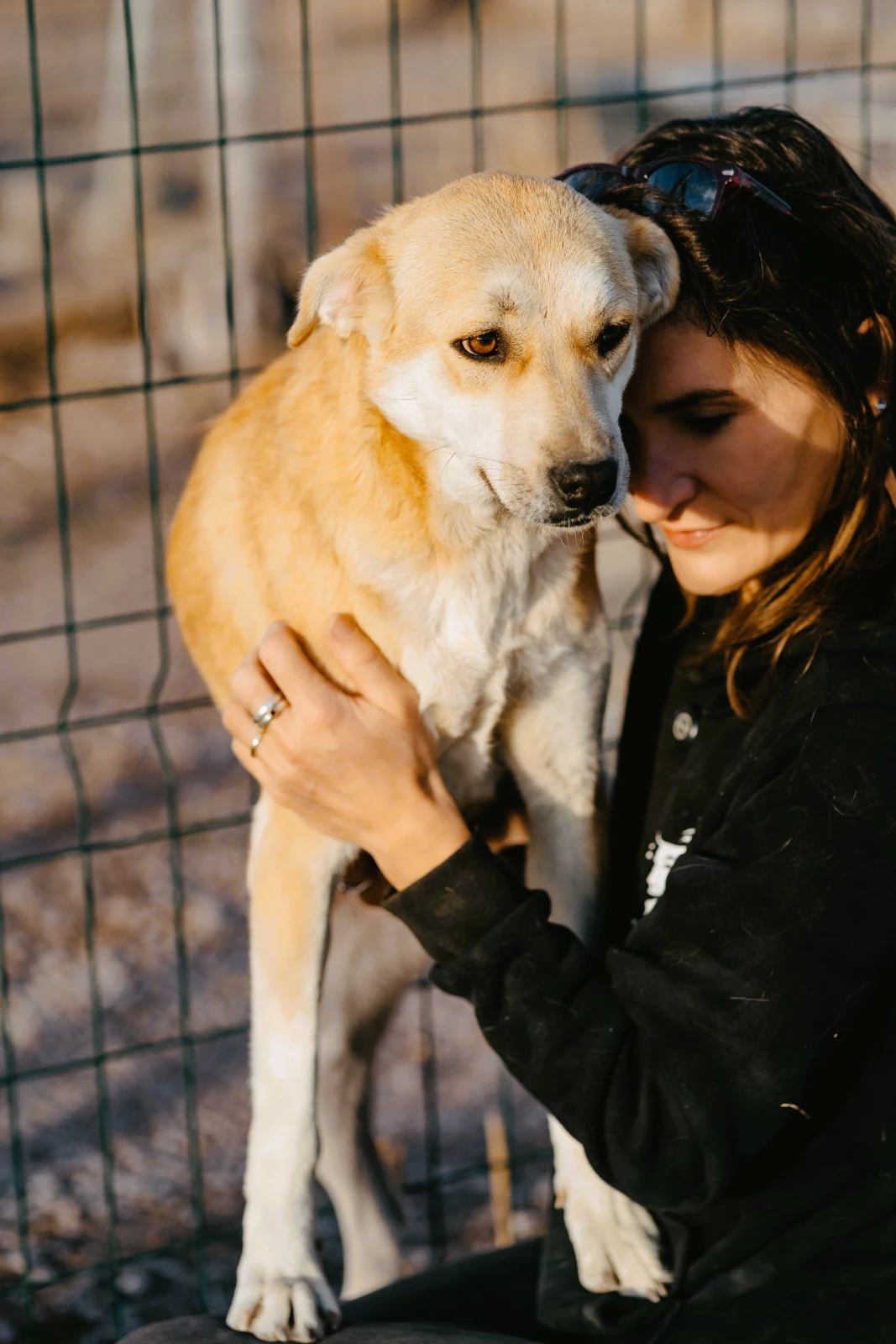
Working with a network of volunteers, Uta Gaarder has been quietly building a bridge between Türkiye’s street dogs and new families in Germany. Each year, she helps rehome nearly 100 animals that once lived on the streets or in shelters.
By M. Fatih Yüksel – Photos Lena Tcchuikow
“For a foreigner, coming to a country where animals are such a visible part of daily life is truly special,” Gaarder says. “At the same time, many dogs are suffering. Scientific evidence clearly shows that the solution lies in expanding spaying and neutering programmes, not in rounding animals up.”
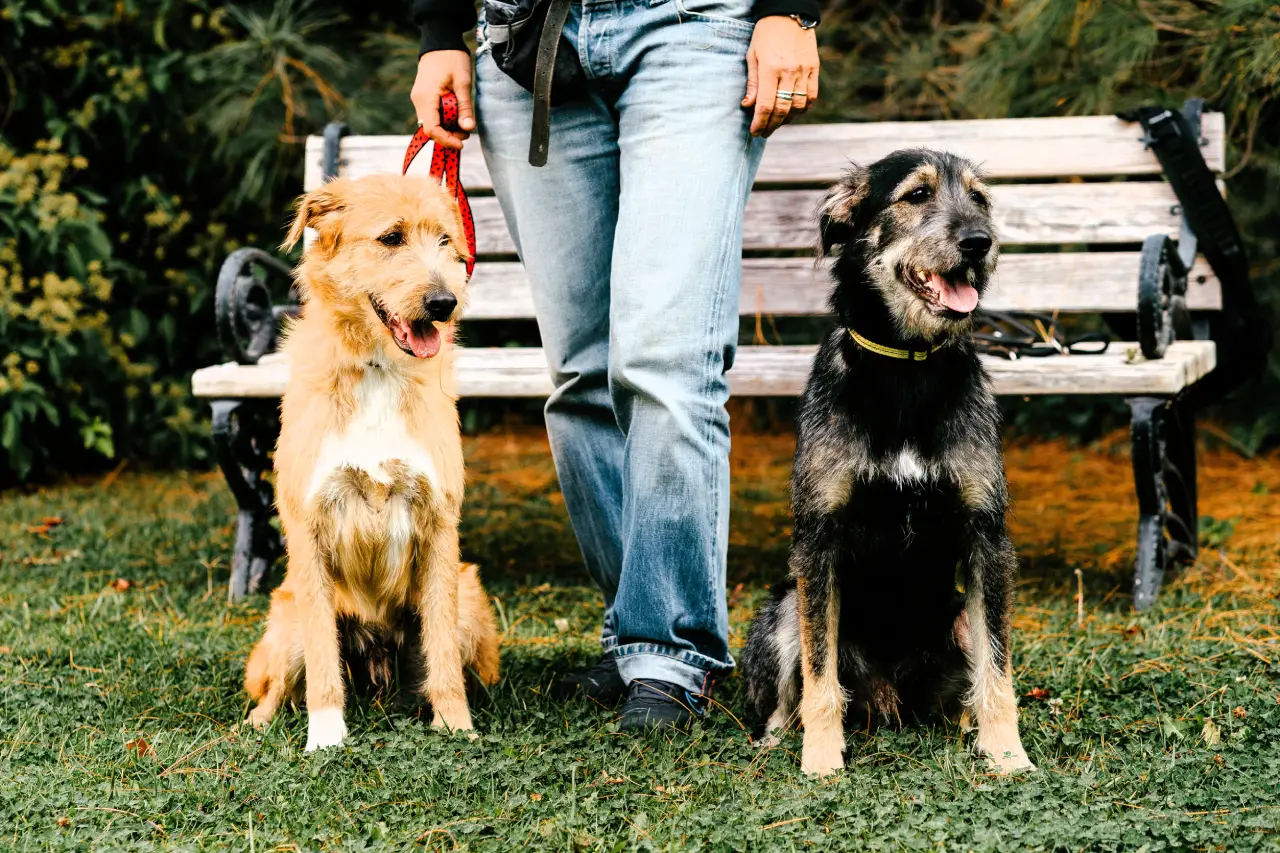
She also stresses the importance of adoption over commercial breeding. “If you really want a dog, you should always look at shelters first. There are so many beautiful souls there waiting for a home.”
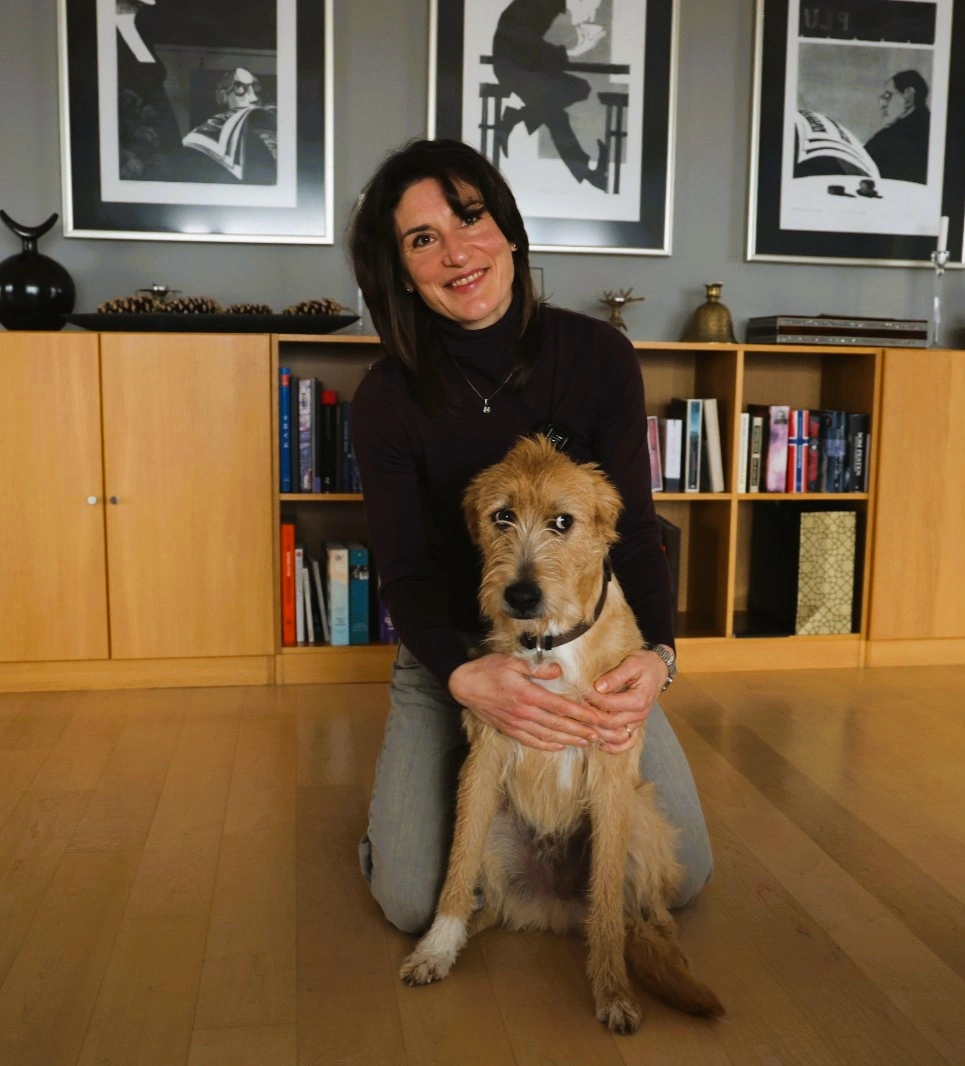
Uta Gaarder, the spouse of Norway’s Ambassador Andreas Gaarder, works closely with volunteers and a partner organisation in Germany to arrange international adoptions. Together with her photographer friend Lena Tcchuikow, she prepares professional photographs and short videos introducing each dog. These materials are then shared with partner networks in Germany to find suitable families.
Ebru Ülger, who runs the Patileri Uluslararası Koruma Kurtarma ve Yaşatma Derneği (PUKKY) shelter, plays a key role in the process by helping select suitable dogs and coordinating their medical preparation.
German-Language Videos Build Trust
Explaining how the system works, Gaarder describes a carefully structured process.
“We visit the shelter with a photographer. I write a short text describing the dog and our impressions. Then we prepare a video. Ebru takes care of vaccinations, medical checks, and all official paperwork. She brings the dogs to the vet and prepares everything required for travel to Germany.
“In Germany, we cooperate with a non-profit organisation that is authorised to import rescue animals. They manage the adoption process. They have their own website and social media platforms, where they introduce the dogs and search for families.
“We also prepare videos in German. This makes the process easier to understand and helps people feel confident. We want them to see that this is a real dog with a real story, and that it truly deserves a second chance.”
Gaarder notes that recent years have been particularly challenging in Türkiye in terms of stray animal populations. “We have had to work harder than ever,” she says, “but we are still managing to place around 100 dogs in loving homes every year.”
Open to Cooperation Across Europe
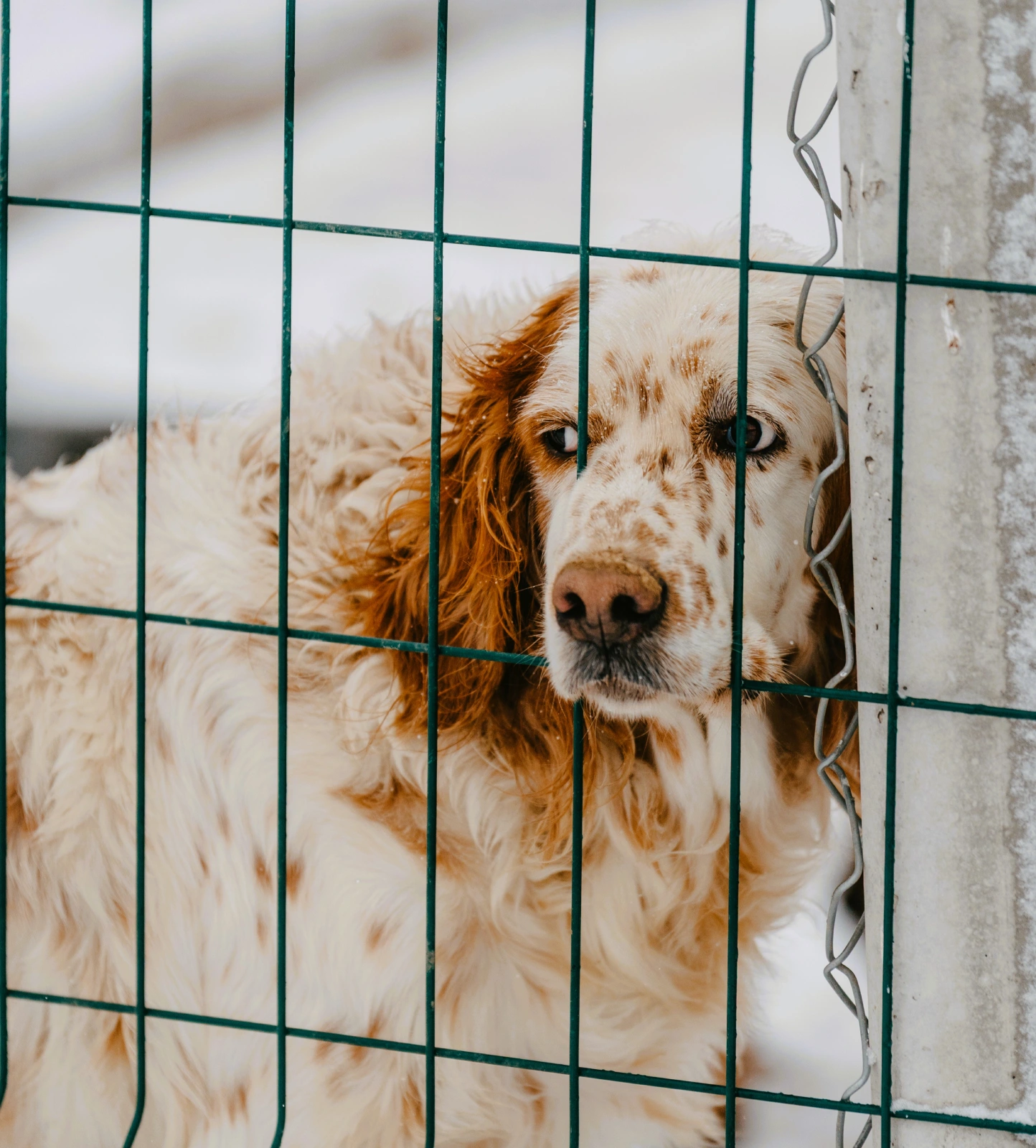
For now, most of their adoptions take place in Germany. Gaarder explains that this developed largely through personal contacts and coincidence.
“However, there is nothing that limits us to one country,” she says. “If we find reliable and transparent partners, sending dogs to Belgium, France, or Austria would be just as possible. We are very open to building new partnerships.”
She believes that stronger European networks could significantly improve conditions for animals in Türkiye.
“The situation here is extremely difficult at the moment,” she says. “We are grateful when people share useful websites, social media accounts, or contact details with us. Every new connection helps us reach more animal lovers across Europe.”
Seeking a Balanced Approach
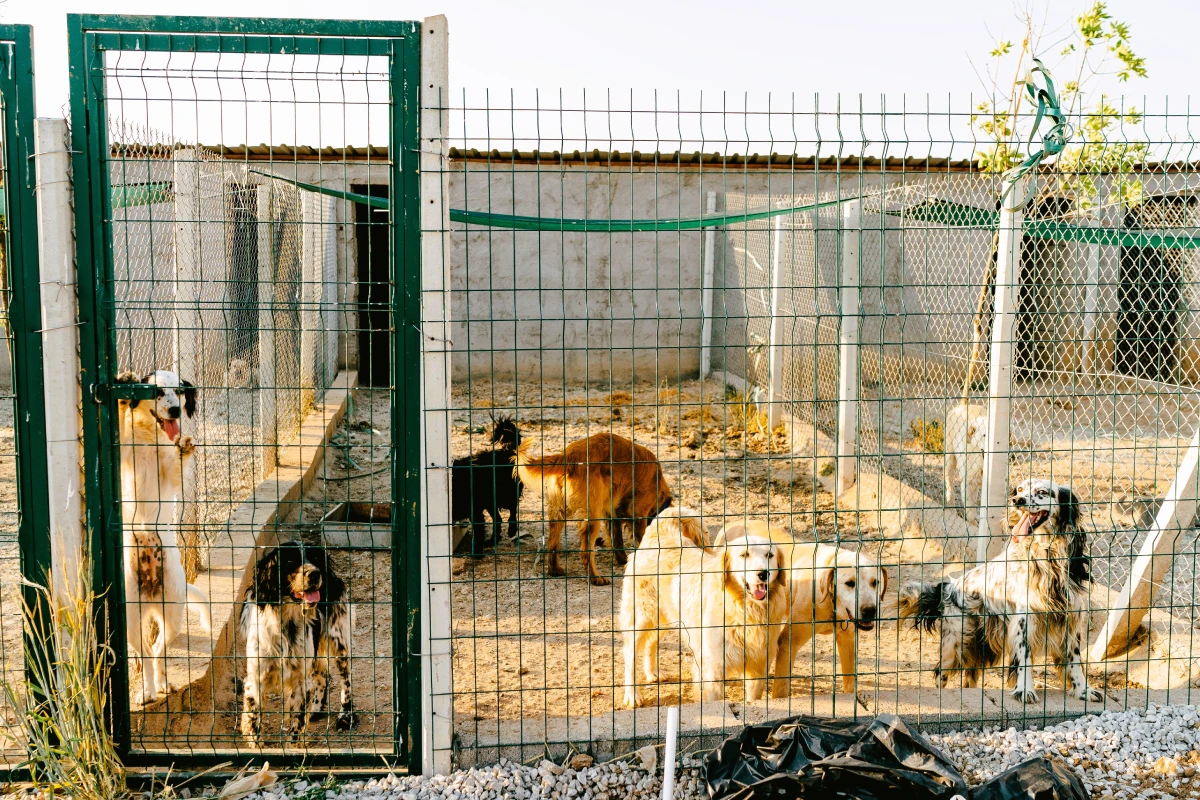
Gaarder argues that large-scale roundups are not a sustainable solution and calls for more thoughtful policies.
“I can understand both sides,” she says. “As a dog owner, I would not want to be attacked by aggressive street dogs. Parents who worry about their children are right to be concerned. Some packs can be dangerous.
“But I also see dogs that have become part of their neighbourhoods. People greet them every day. They are loved. When those dogs suddenly disappear, communities feel real pain and anger.”
She believes that dialogue and careful research should come before intervention.
“We need more communication, more data, and more awareness. For people who are afraid of dogs, this situation can be very stressful. At the same time, many animals are suffering. Once again, the evidence points to sterilisation programmes as the most humane and effective solution.”
Adoption as a Lifelong Responsibility
Gaarder repeatedly returns to one central message: adoption must be taken seriously.
“When you adopt a dog, you are making a lifelong commitment,” she says. “Abandoning an animal causes deep suffering, regardless of its size or age. Bringing a dog into your life means accepting full responsibility.”
“For this reason, buying a dog for entertainment is never right. If you truly want one, start by visiting a shelter. You may find a friend for life.”