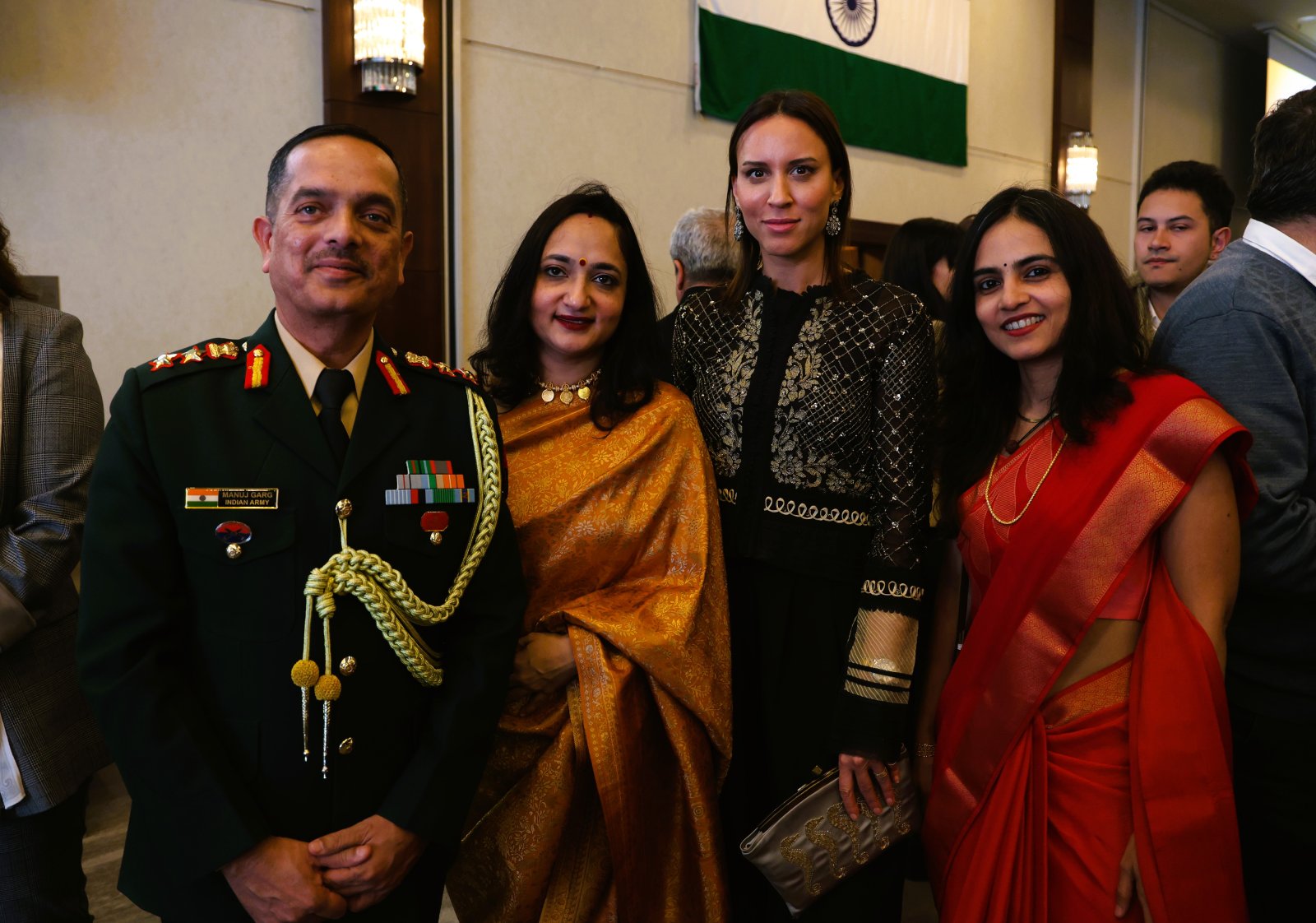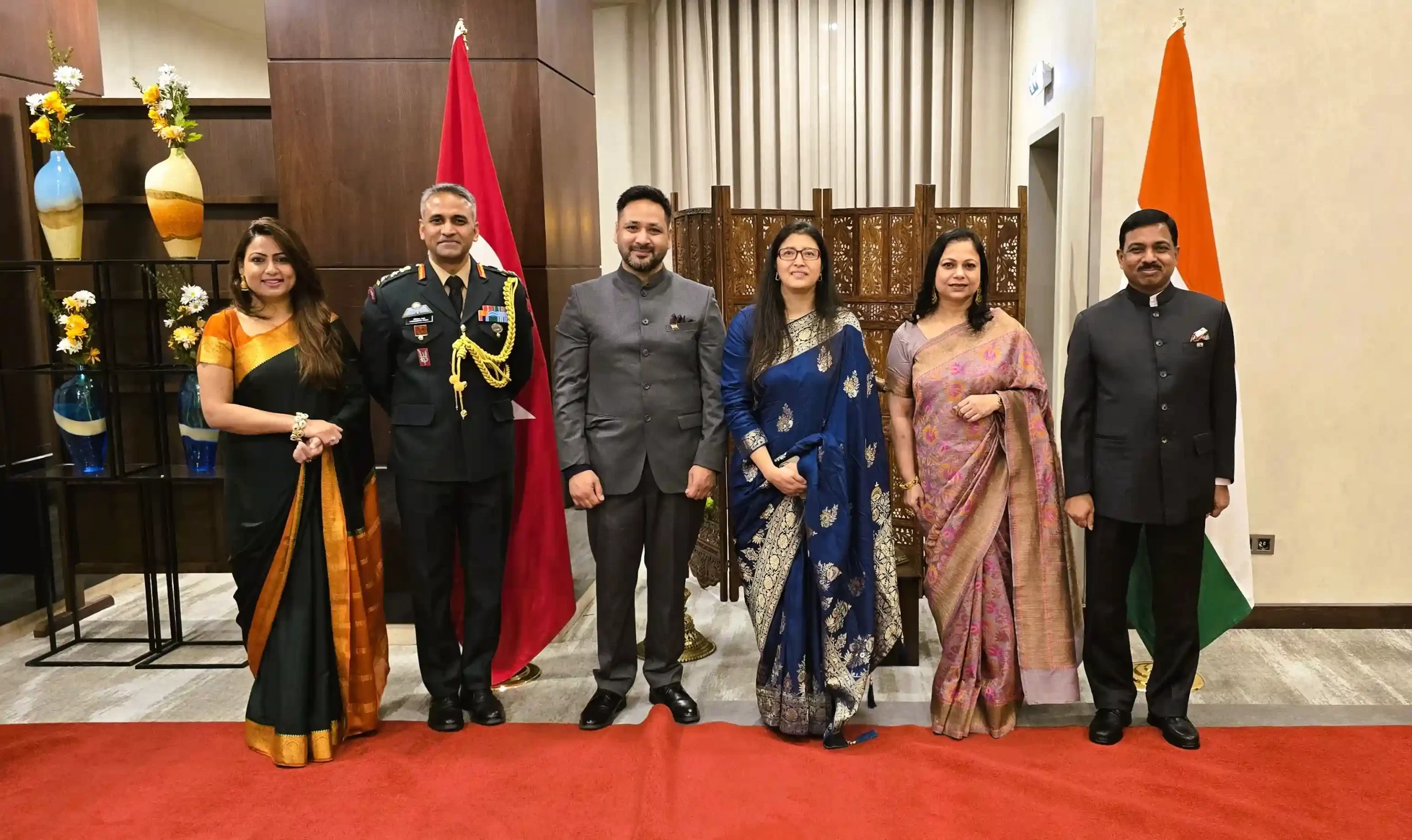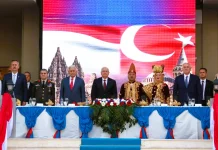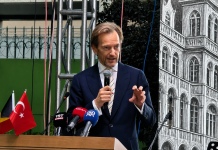
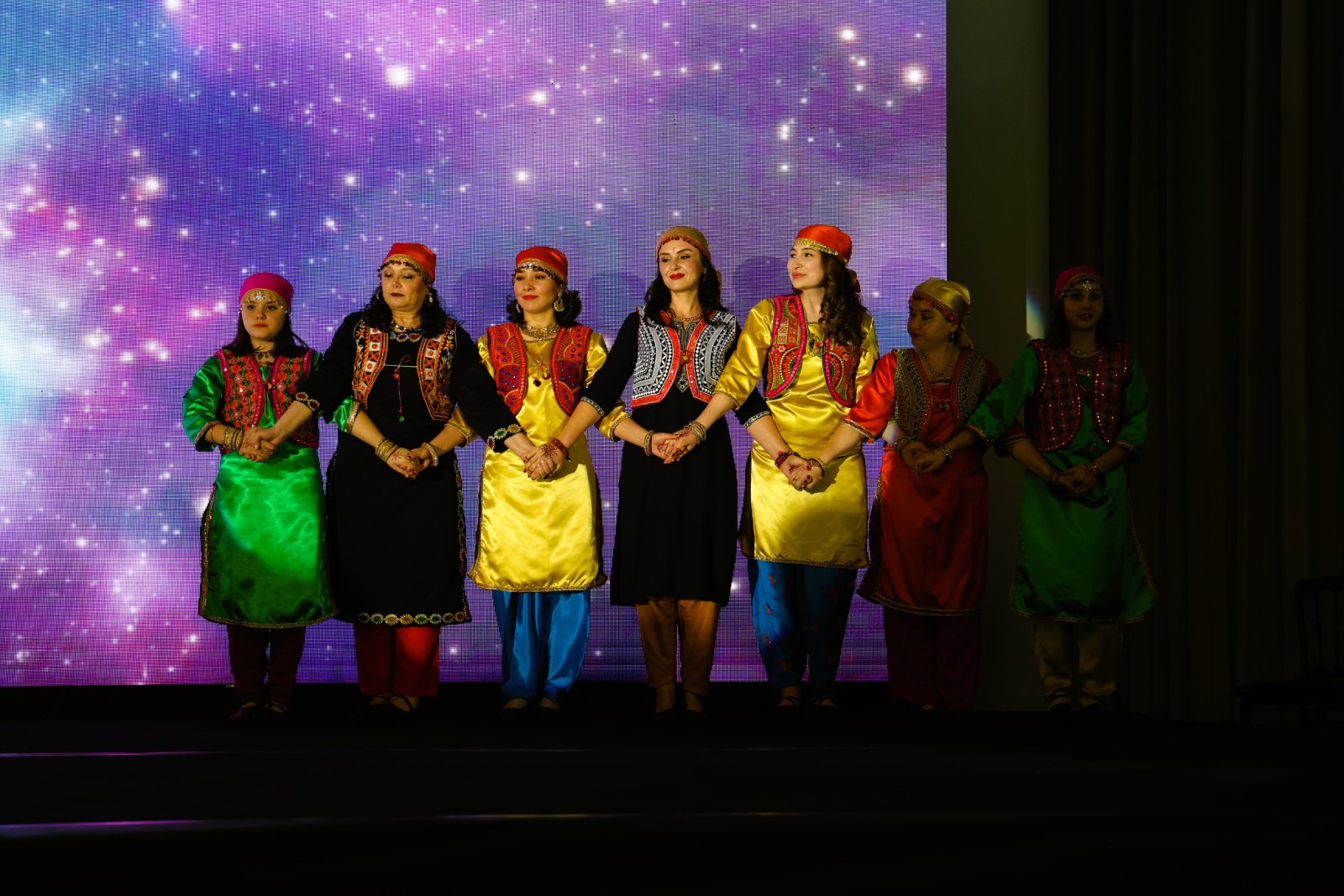
A reception was held at Ankara Hilton to mark India’s 77th Republic Day. Hosted by India’s Ambassador to Ankara Muktesh K. Pardeshi, the event brought together ambassadors, members of the diplomatic corps, and guests from the business and academic communities.
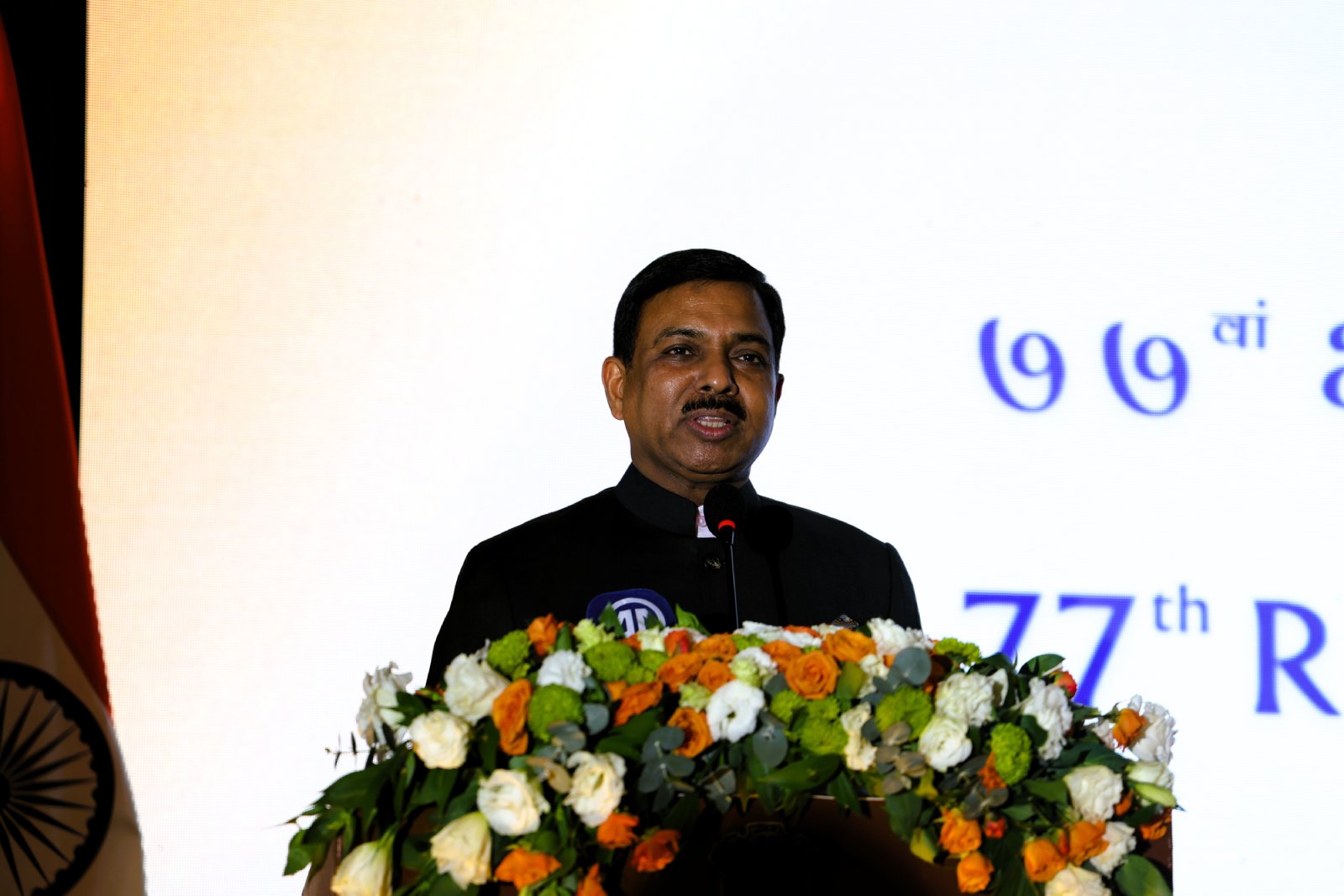
Speaking at the reception, Ambassador Pardeshi said, “In 1950, India, historically known here as Hindustan, gave itself a constitution and completed its transformation from a colonial past into a sovereign, democratic republic.” He noted that ties between India and Türkiye go back centuries, adding that the two peoples’ struggles for freedom have historically influenced one another. Pardeshi said, “Today, with 1.4 billion citizens, we move forward as the world’s largest and most successful democracy, embracing different religions, languages, and cultures while preserving our inner unity.”
FROM AN AGRARIAN COUNTRY TO THE WORLD’S FOURTH LARGEST ECONOMY
Pardeshi said that since gaining independence in 1947, India has “come a remarkable way, often under difficult conditions, while always maintaining its belief in democratic ideals.” He said India moved from an economy largely based on agriculture in 1947 to “becoming the world’s fourth largest economy and a major driver of global growth.” Pardeshi added, “These achievements are not only national milestones, they position India as a responsible stakeholder in global affairs and reflect our commitment to interstate cooperation, multilateralism, and shared prosperity for all.”
TIES WITH ANATOLIA REACHING BACK 2,000 YEARS
Referring to the historical background of ties with Anatolia, Pardeshi said, “The great migration of Turkic tribes around 2,000 years ago brought Indians into contact with them, and this gave rise to an interaction that extends to shared religions, cultures, and languages.” He said the first diplomatic contacts between Ottoman sultans and the kingdoms in India date back to 1481 and 1482. Pardeshi added, “When the Ottoman sultan assumed the universal caliphate in 1570, this created a new dimension in establishing relations with India, which had a significant Muslim population.”
SUPPORT FOR THE WAR OF INDEPENDENCE
Pardeshi said contacts in the modern period intensified in the early 20th century. “The freedom struggles experienced by both countries brought the peoples of India and Türkiye closer a century ago. The people of India stood by Türkiye and supported the Turkish War of Independence in the 1920s,” he said.
Pardeshi said the Khilafat Movement in India was a political campaign launched by the Indian National Movement against Britain’s policies toward Türkiye and the planned partitioning of the Ottoman Empire. Speaking about Mahatma Gandhi’s approach, Pardeshi said, “Mahatma Gandhi supported this movement as part of his opposition to the British Empire, and at the same time advocated a broader non-cooperation and boycott movement.” He said financial donations were made during this period, adding, “These donations sent in Atatürk’s name were used in August 1924 as the founding capital of İşbank.”
TRADE TARGET: DOUBLING THE 10-BILLION-DOLLAR LEVEL
Pardeshi said India and Türkiye are “two ancient civilizational states, two major democracies, members of the G20, and influential actors in their regions.” He said bilateral relations cover “trade and investment, education and scholarships, culture and tourism, and people-to-people contacts.” Pardeshi noted, “Bilateral trade has grown in recent years, two-way trade reached around 10 billion dollars in some years and peaked at nearly 14 billion dollars in the 2022 to 2023 period.” He said the two countries share a goal of doubling the current 10 billion dollar level, adding, “Around 400 Indian companies operate in Türkiye across different sectors.”
“THE WORLD IS ONE FAMILY”
Pardeshi said India seeks global partnerships based on dialogue, mutual respect, and shared gains. “Strengthening India–Türkiye relations with this approach will contribute not only to our bilateral ties but also to global stability, development, and prosperity,” he said. Pardeshi added, “We are going through a turbulent period marked by great power rivalry and the use of coercive economic tools, and in such a time we need respect for sovereignty, security, and territorial integrity, and the idea that the world is one family, more than ever.”
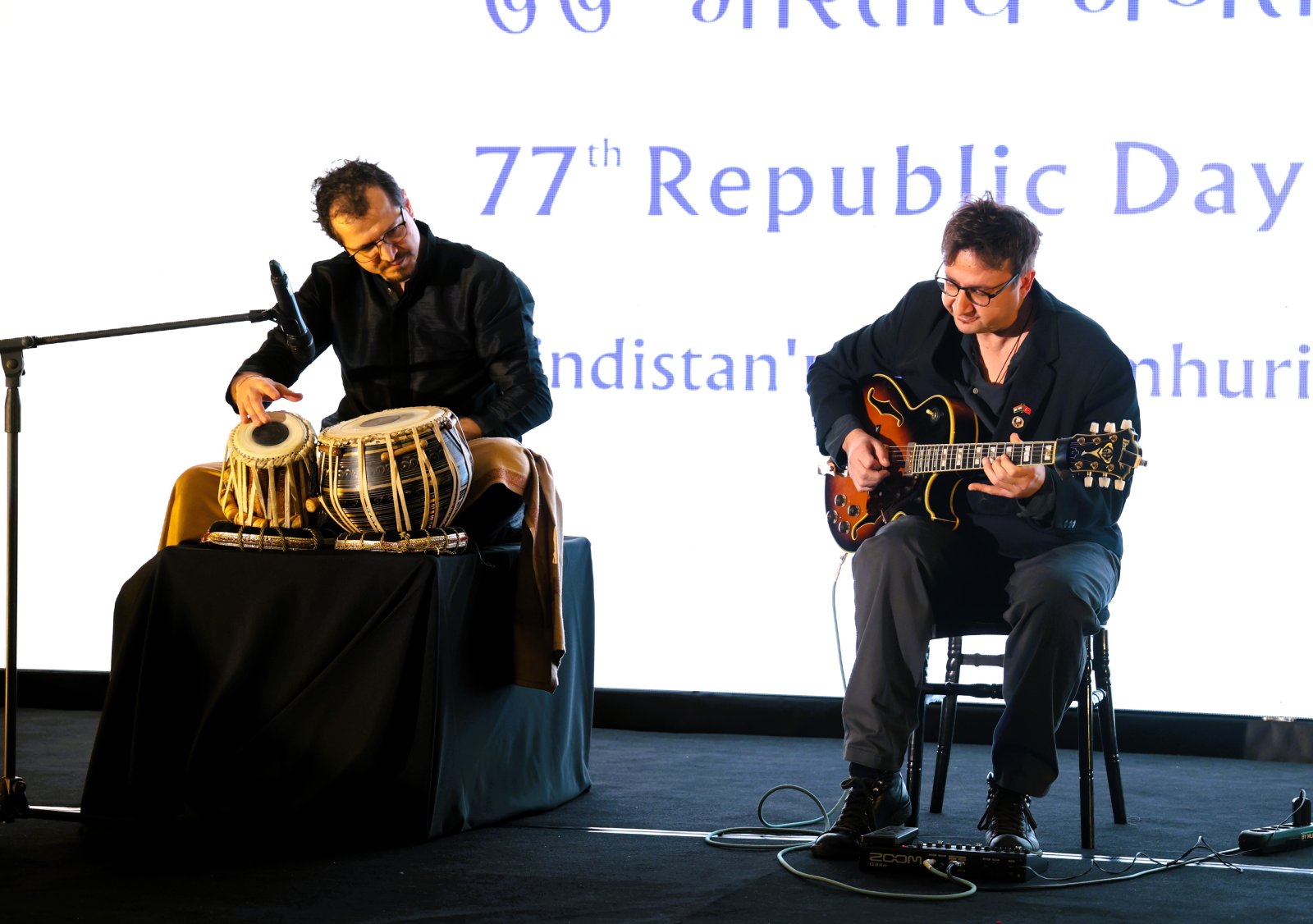
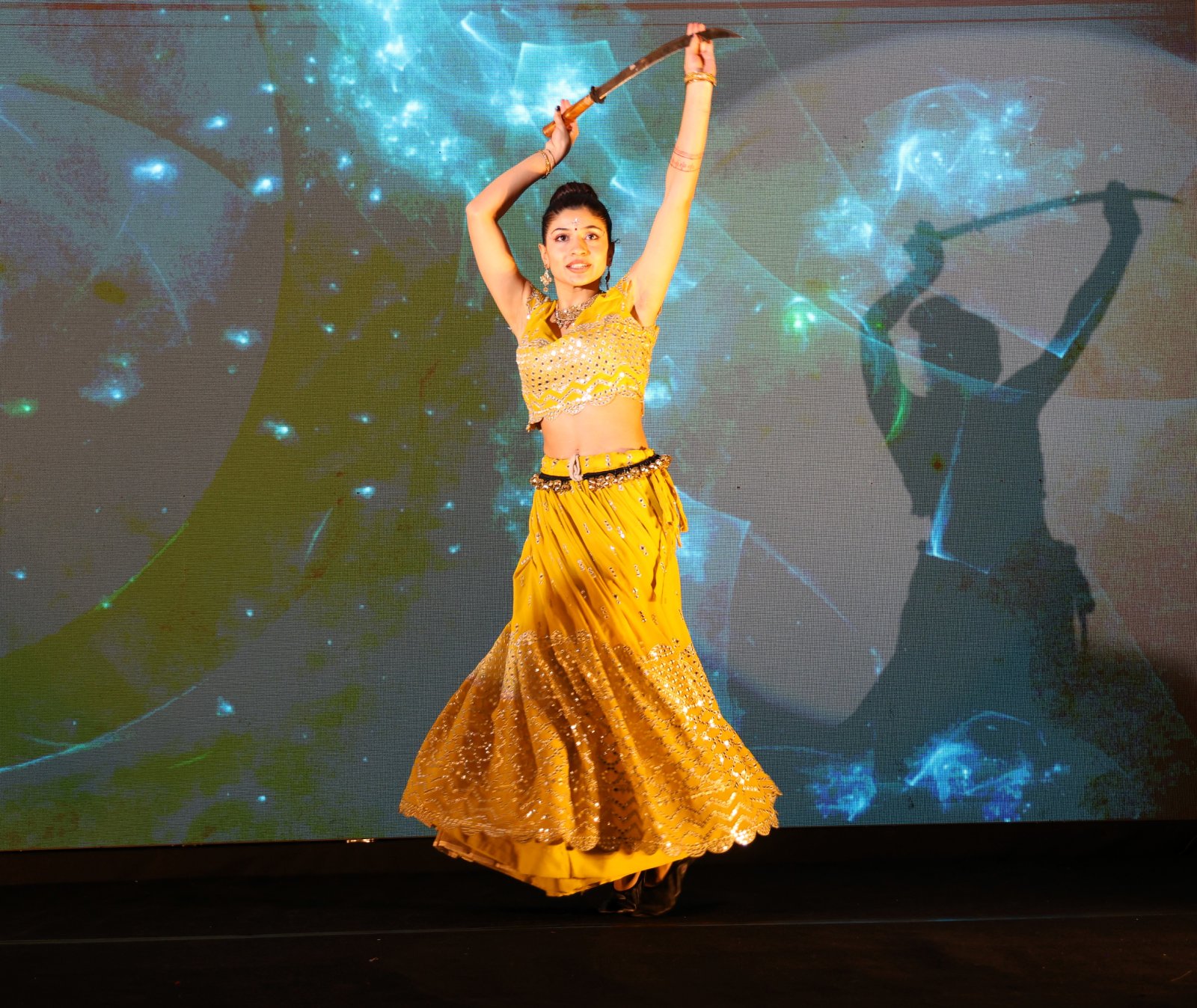
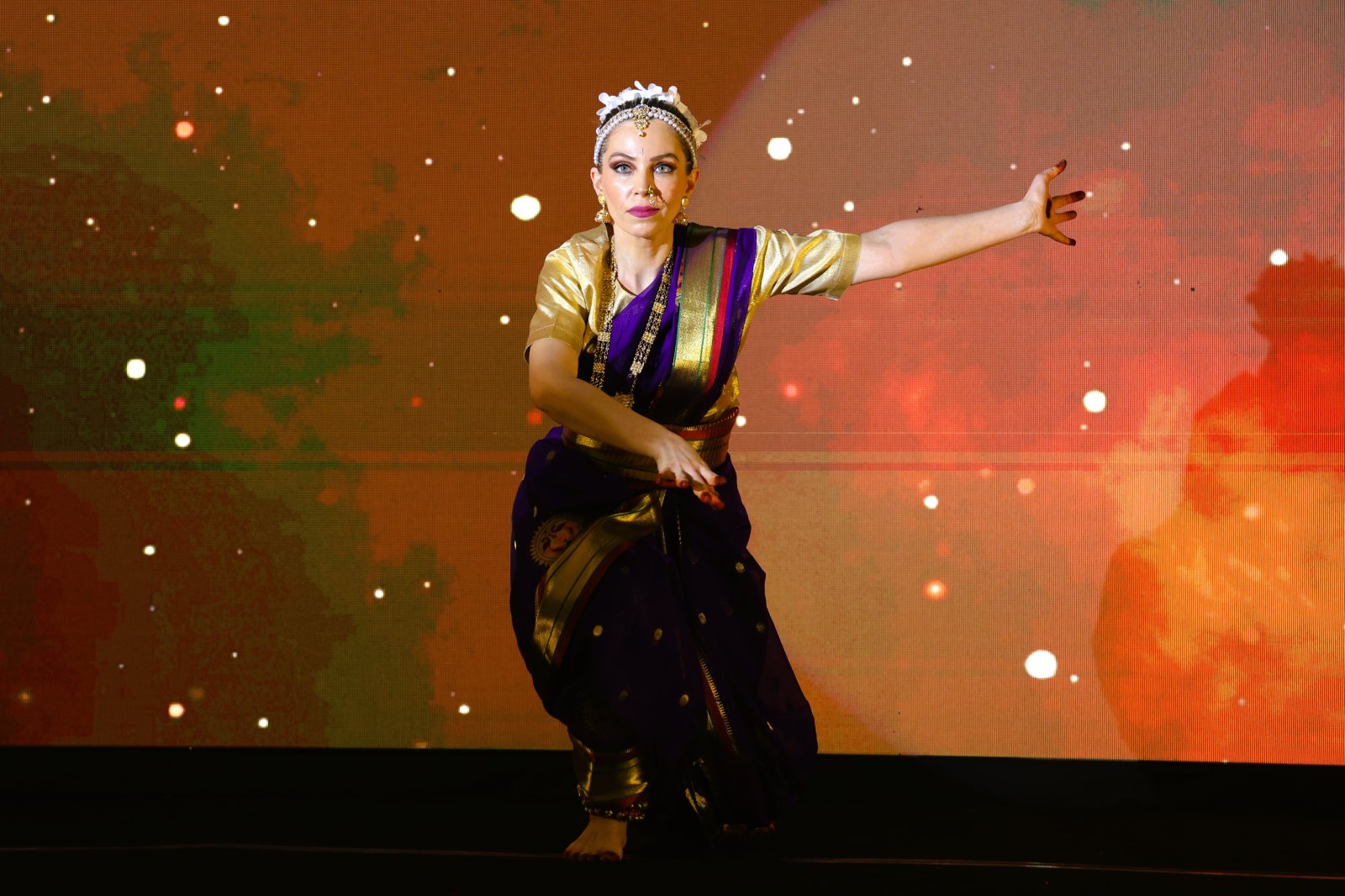
During the evening, Gürkan Özkan and Onur Aymergen performed Indian music. A traditional Indian dance show was also staged, and guests were served Indian cuisine.