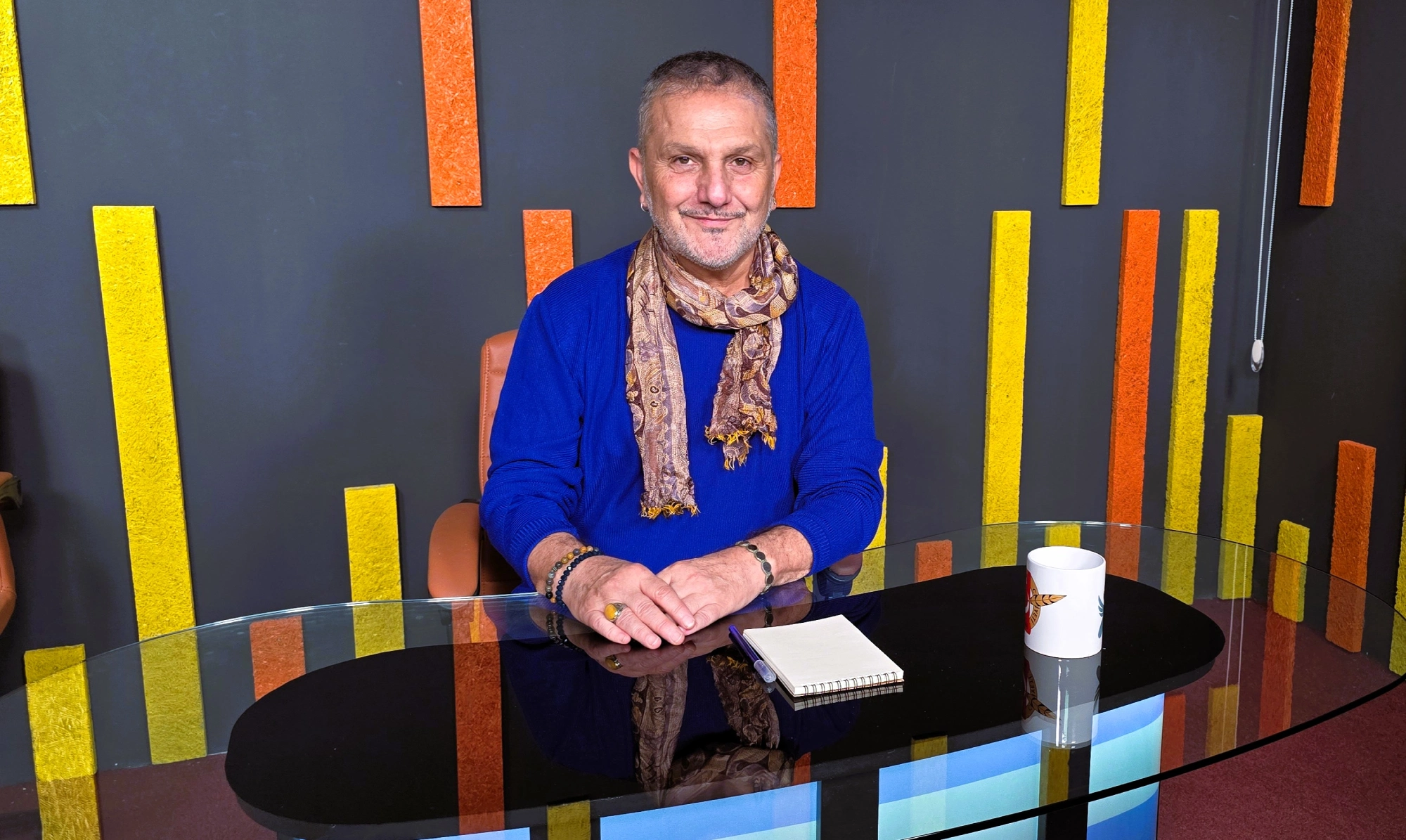
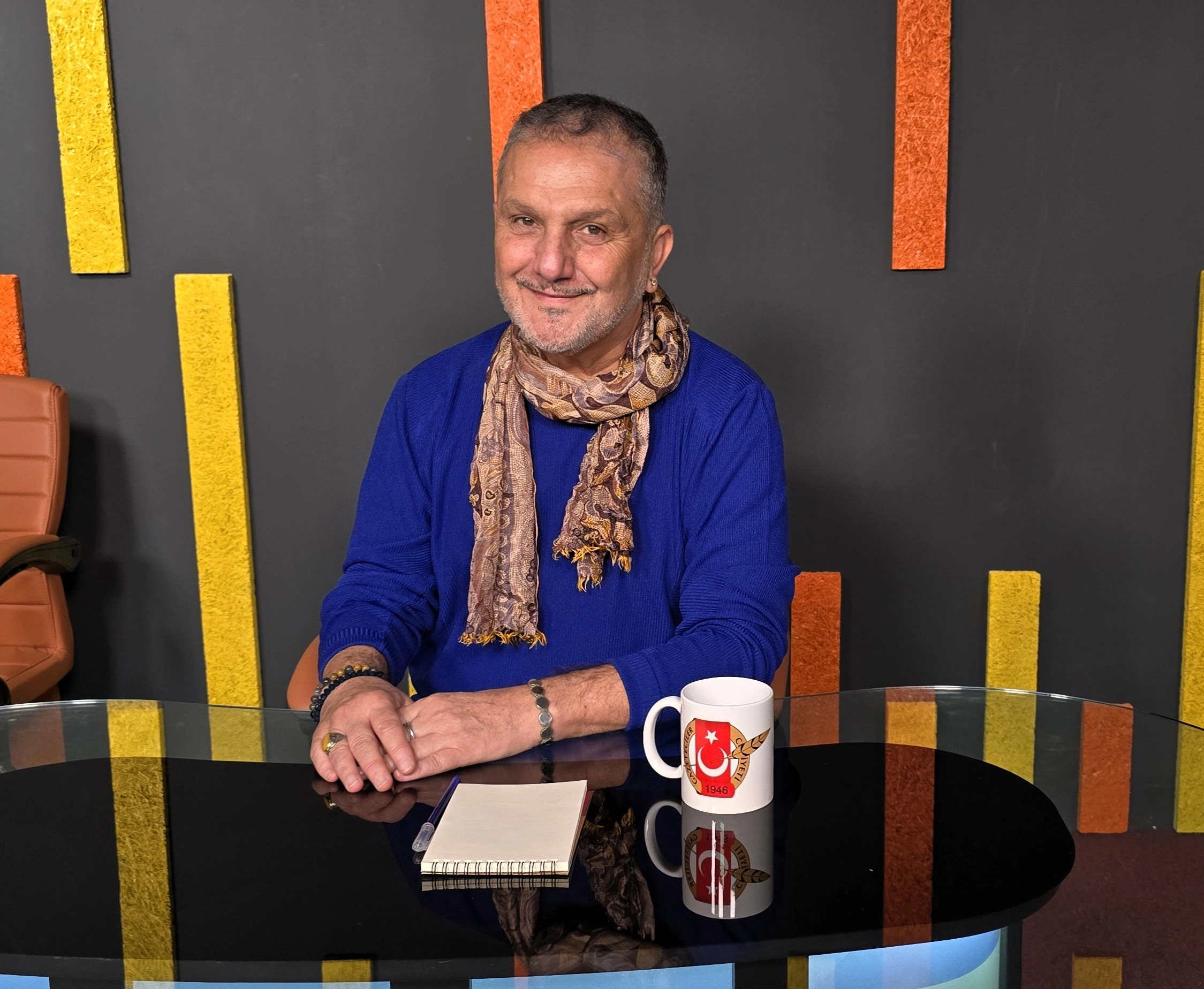
Developmental psychologist Prof. Artin Göncü said that play is not merely entertainment and explained why it remains central to child development and education.
Göncü argued that play is a foundational way human beings make sense of life, express themselves, and build relationships. “The opposite of play is not work or labor. The opposite of play is depression,” he said.
He noted that play is often defined in terms of “fun” or “enjoyment,” but said this framing does not fully capture its function. “You might think you engage in this activity for fun, for pleasure. That is not a wrong view, but it is not a definition,” he said. For Göncü, play becomes recognizable through several defining features.
A SPACE FOR DISCOVERY AND EXPERIMENTATION
First, Göncü describes play as an act of discovery. When someone starts to play, they are usually trying to understand something. If play is treated only as entertainment, he warns, its most important quality is overlooked. “If we see play only as entertainment,” he says, “we forget that it is fundamentally an activity of exploration.”
The second feature he highlights is experience. Play allows children, adolescents, and adults to test ideas and explore questions that preoccupy them. “Some things that are not possible in everyday life become understandable through play,” he says.
 PLAY BUILDS RELATIONSHIPS AND TEACHES EMPATHY
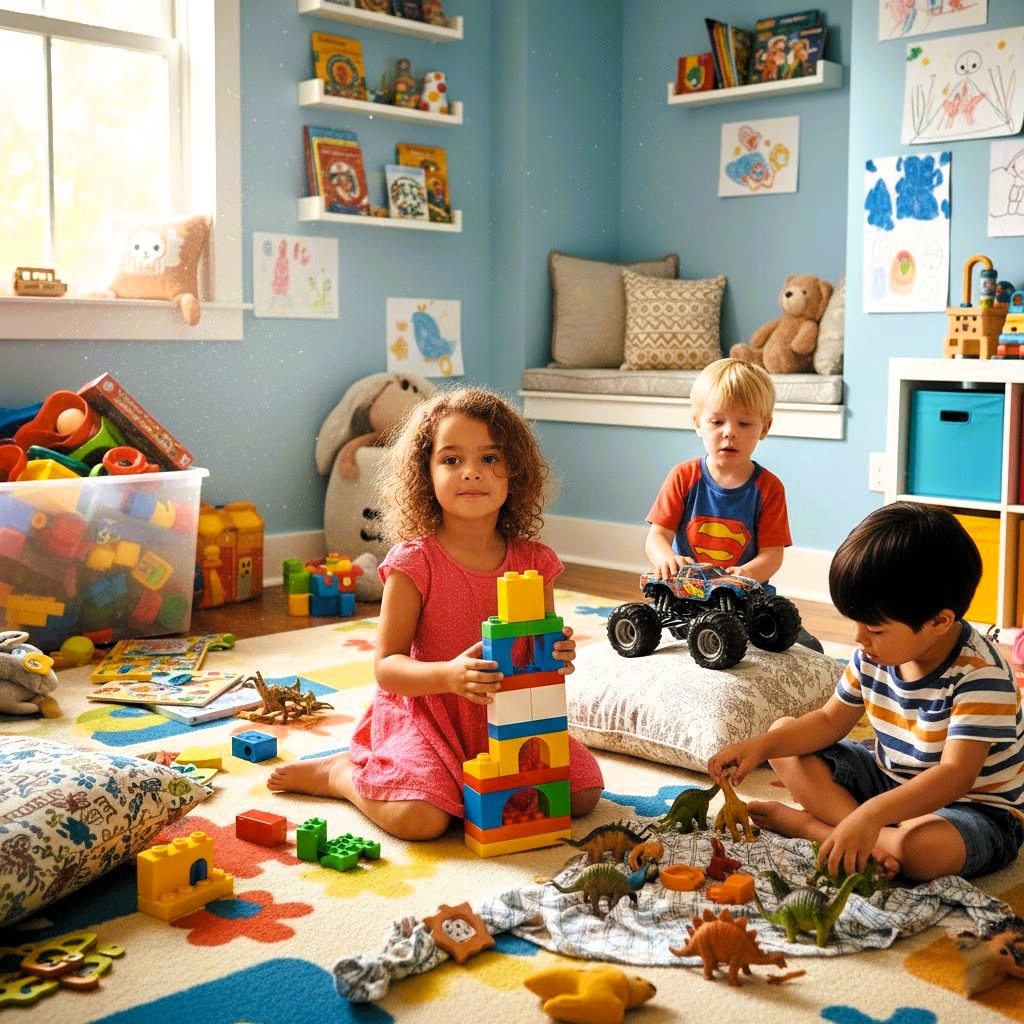
A third defining feature, Göncü says, is connection. Play brings people into a relationship with one another. It teaches empathy and shows how communication works, not only for children but also for adults. In that sense, play is where cognitive, social, and emotional efforts to understand life become visible.
He also points out that play is not always pleasant. People sometimes use play to work through what troubles them. For that reason, simple claims such as “play is voluntary” or “play is always enjoyable” can be misleading.
PLAY AS A WAY OF MAKING SENSE OF LIFE
Göncü argues that treating play as something that belongs only to children, or as an activity meant only for pleasure, ignores its role in development and education. “Play is an effort to understand life,” he says. “It is an effort to explain oneself. It is an effort to build a connection with other people.”
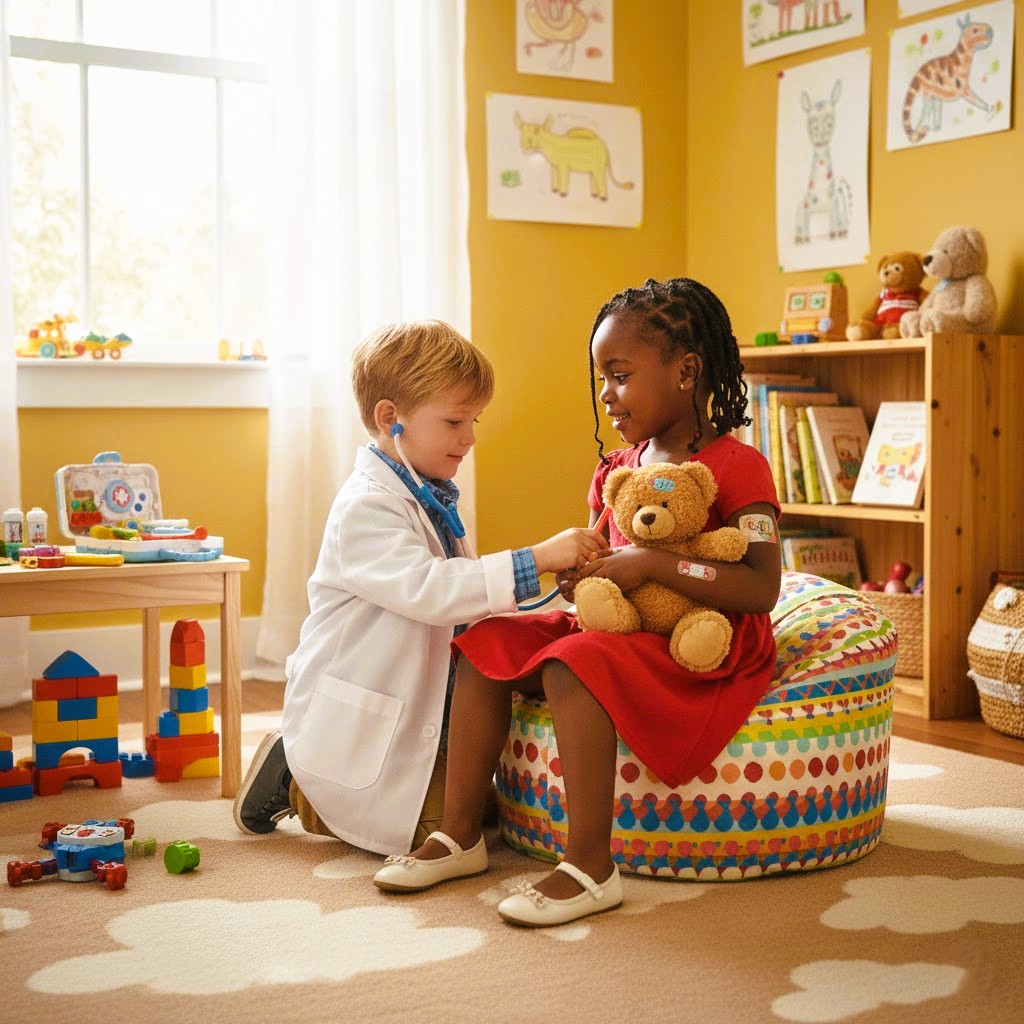
He draws particular attention to imaginative and symbolic play. When a child pretends, he says, the child is trying to understand what something represents and what they are exploring. Such play often reflects what children have lived through. A child who plays doctor, soldier, or pilot, for example, is usually engaging with experiences that have left an emotional mark. A hospital visit or a medical exam may “touch” a child, he says, and the child then reenacts it in play to understand what it means.
“PLAY IS THE CHILD’S CURRICULUM”
Play, Göncü argues, also reveals what a child cares about and what they want to learn. “We have to accept that play is a curriculum,” he says. A curriculum should not be limited to what adults decide in advance. Play shows what the child is reaching toward.
That is why, he says, teachers should follow the flow of children’s play rather than impose goals from outside in a purely didactic way. If a child is playing “doctor,” a teacher can step into the game as a nurse, a secretary, or a doctor and suggest prescribing with paper and pencil. This makes reading and writing meaningful inside the child’s own world. Without linking what happens at school to what children live at home and in their neighborhoods, he adds, a genuine interest in a curriculum is hard to build. Play helps form that link.
ANXIETY, FEAR, AND PLAY: A FREUD REFERENCE
Göncü says the emotional power of play is easy to observe. He recalls Freud’s view that children turn to play because of anxiety. Children play to understand situations that are unfamiliar, unsettling, or difficult. Through play, they explore what fear is and how to handle it. That is why, he says, cutting off play with comments such as “you’re making noise” or “you’re not studying” can block a critical process. Instead of stopping play, adults sometimes need to pause their own plans for a while.
PLAY AS STORYTELLING
Göncü also describes play as an effort to build a narrative, comparing it to writing a story. It develops mental representations, reshapes lived experiences, and turns them into meaning. Even when children return to the same theme, he says, the game changes each time. Children learn by trying different versions of life. He sees this as one of the key sources of creativity.
THE SOCIAL AND CULTURAL SIDE OF PLAY
Play, Göncü says, also helps organize social life. In play, children often do not reject one another’s ideas. Instead, they accept what someone offers and add to it. That habit makes shared worlds possible. He adds that play strengthens empathy by encouraging children to step into someone else’s perspective. He also describes play as the most natural form of improvisation.
He adds; play reflects both the wider culture children live in and the smaller cultures they create among themselves. Through play, children explore what cultural elements mean to them and may reshape them. Imposing play patterns from one culture onto another, he argues, is both wrong and unfair.
ADULTS, THE DIGITAL WORLD, AND SCREEN TIME
Göncü says adult participation in play matters, but children can clearly distinguish between the peer world and the adult world. Even under disadvantaged conditions, he notes, children try to cope with trauma through play. Play cannot truly be prevented unless children are physically restrained. The real task, he says, is to create the conditions and space for play.
On digital life, Göncü avoids absolute claims. Digital tools, he says, can become a way of relating when used in moderation and used together. But he also says he has doubts about whether those tools restrict children’s relationships with other people.
“THE OPPOSITE OF PLAY IS DEPRESSION”
Göncü returns to his central point: “The opposite of play is not work. The opposite of play is depression.” Play is a way of letting something out, telling one’s story, and understanding the world, he says. When play is blocked, what follows can be emotional collapse.
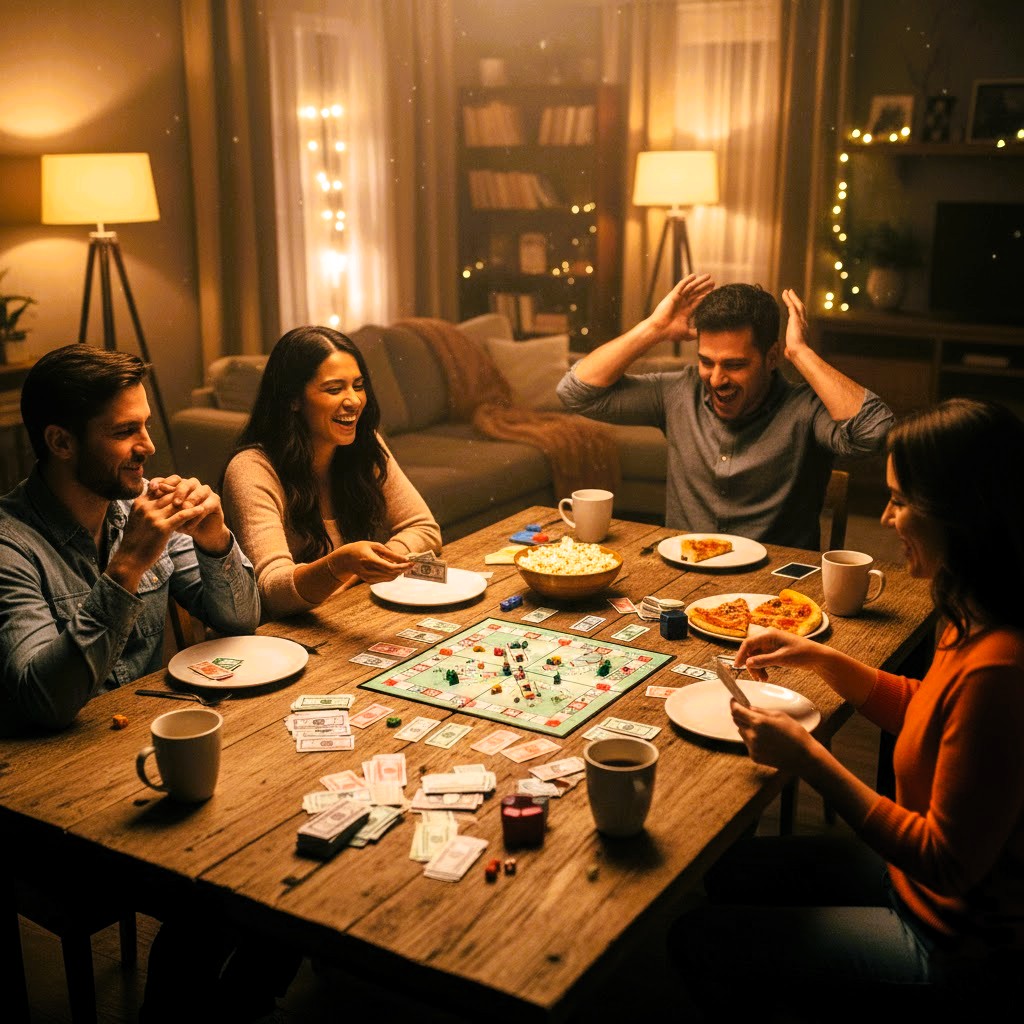
He adds that adults, too, play to reinterpret the past, think about the future, and make sense of the present. Wordplay, joking, improvisation, rule-based games, and sports all belong to that broader field. Göncü says research shows that children raised in families that support play develop trust and a capacity for exploration. In his view, play delivers two basic messages: “You can explore what matters to you,” and “You can trust me.” Anyone who wants to raise confident, empathetic, and productive individuals, he adds, should always support play.